
Jesus’ Three Requirements
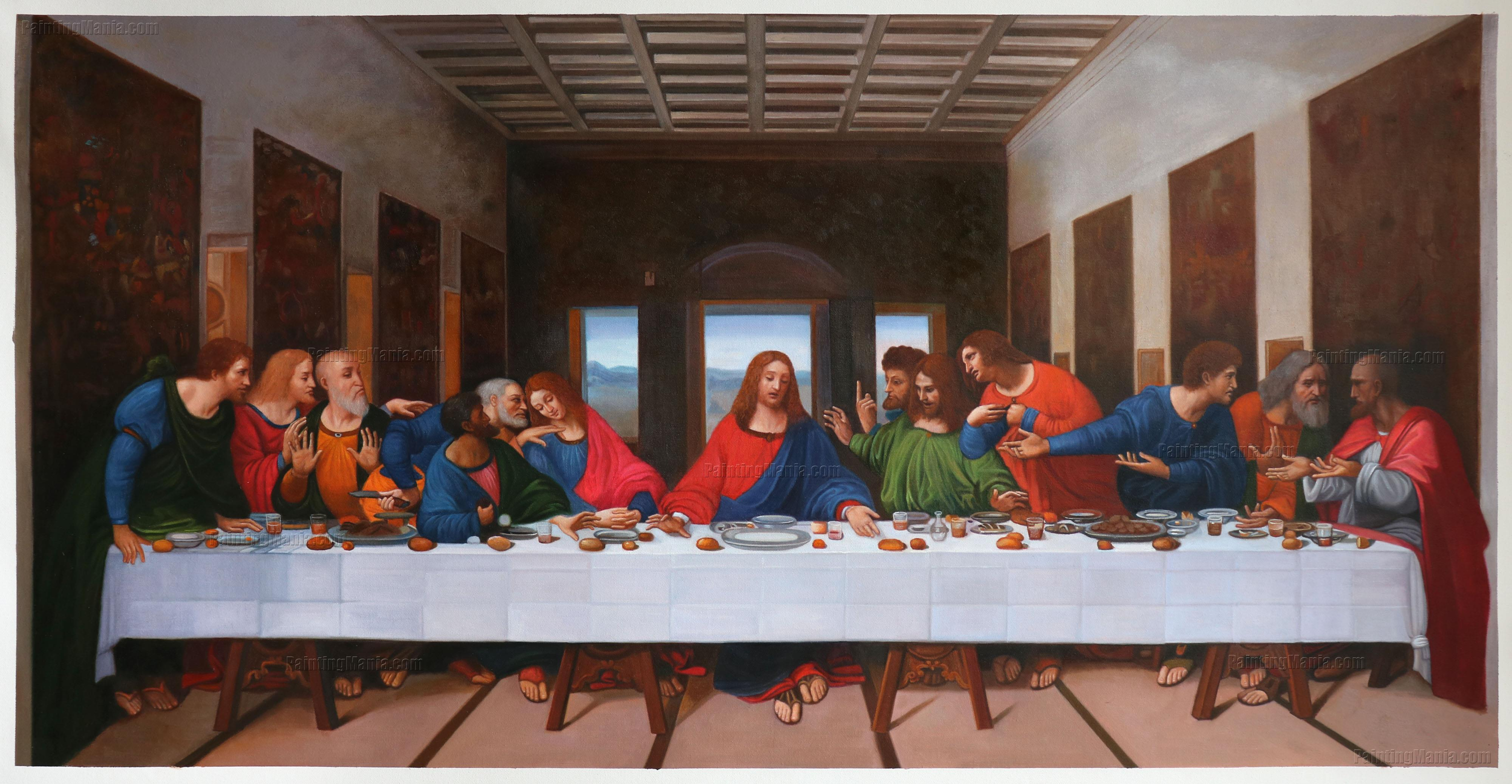
Our reading is Matthew 26:17-30. It is Thursday of Holy Week. Most call it Maundy Thursday. Jesus has already entered Jerusalem riding a donkey to celebrate his final Passover. Jesus has already cursed the fig tree and cleansed the Temple. Jesus has already been confronted by his enemies and Judas Iscariot has already agreed to betray Jesus for thirty pieces of silver. According to the text, Jesus has already washed the disciples’ feet and was observing the annual Seder with his disciples.
The Passover Seder is a structured, 15-step ritual meal held on the first two nights of Passover. It was a scripted meal. Everything they ate and drank reminded them of their ancestors’ exodus from Egypt. To be more exact, they remembered how God had acted on behalf of their ancestors. However, on that Passover Jesus changed the script and created something new – Jesus told the disciples the bread represented his body and the wine represented is blood. To the disciples the symbolism was clear. Bread represented blessings. Blood represented death. From the very beginning Christians valued communion. It has generated much debate in the life of the church.
Swiss theologian Karl Barth (1886-1968) once said, “The Word became flesh, and then through theologians it became words again.” For years, theologians have debated communion. I remember sitting in classrooms and studying the words transubstantiation and consubstantiation. The Roman Catholic tradition believes in transubstantiation – the bread and the wine mystically turn into the actual body and blood of Christ. That happens when the bell is rung during a Catholic Mass. The Protestant tradition believes in consubstantiation. The bread and the wine, or juice, represent the body and the blood of Christ. For years, theologians have debated communion.
For years, well-meaning laity have complicated communion by telling us how they prefer to receive it. Some like it weekly. Some like it monthly. Some like it quarterly. One woman told me communion should only be offered once a year, on Christmas Eve at the 11:00 PM service. The founder of the great Methodist movement John Wesley (1703-1791) took communion up to five times a week. Some like communion sitting in the pews. Some like it at the rail. Some don’t like it at the rail, because it discriminates against those with arthritic knees. Some like communion served in little plastic cups and cubed bread. Some like communion served by intinction, when you tear off your own piece of bread from a common loaf and dip it into a common cup. Germaphobes are repulsed by intinction. Some think long, complex liturgy should accompany communion, and others don’t want any liturgy at all. Well-meaning laity have complicated communion by telling us how they prefer it. The United Methodist Book of Disciple says, the appointed clergy will decide how often and in what form communion will be served. I wish I had such power. In my time in the ministry, the whole topic exhausted me. I grew tired of trying to keep everyone happy.That is impossible.
It is interesting to note the Bible does not use the words transubstantiation or consubstantiation, it does not tell us how to serve the elements. However, the Bible tells us what we must do when we partake communion. To be more exact, Jesus gives us three requirements we must observe when we partake the communion elements. This is the first requirement.
Communion requires us to remember Jesus! Verses 25 and 26 tell us Jesus took the bread and associated it with his body, and he took the wine and associated it with his blood. Like the rest of us, Jesus didn’t want to be forgotten once he was gone; Jesus wanted to be remembered.
What do you remember about Jesus as you partake of his body and blood? Do you remember his humble birth in Bethlehem? Do you remember his baptism in the Jordan River? Do you remember his lessons from the Sermon on the Mount? Do you remember his miracles? The lame could walk and the blind could see. Do you remember how Jesus walked on the water and controlled the weather? Do you remember how Jesus resurrected Lazarus? Do you remember Jesus hanging on the cross, twisted in pain for your salvation? It is a fair question. What do you remember about Jesus, as you partake of the bread and cup? I remember Jesus in the Upper Room with the disciples observing his last Seder. This is the second requirement.
Communion requires us to examine our present condition! Jesus was a man who lived the perfect life and sacrificed so much. He had the perfect relationship with God. In comparison to Jesus, our sins are obvious and we have sacrificed very little. There is no comparison between us and Jesus. Yet, Jesus invites us to partake. If you are not humbled at the communion table, then you have a serious spiritual problem. That is what Paul is saying in I Corinthians 11:27, “Therefore, whoever eats the bread or drinks the cup of the Lord in an unworthy manner will be guilty of sinning against the body and blood of the Lord.” Communion humbles us, because we must examine our present condition. This is the third requirement.
Communion requires us to examine our eternity! In the scripture lesson, Jesus isn’t just embracing the moment, Jesus is forcing the disciples to examine their eternity. Verse 25 says, “I will tell you the truth, I will not drink again of the fruit of the vine until I drink it anew in the Kingdom of God.” Jesus is not just speaking of his own eternity, he is speaking of the disciple’s eternity too. By his invitation to us to sit at the table with him, Jesus is speaking of your eternity. Where do you want to spend eternity? I have never met a person who didn’t want to go to heaven. Jesus is your only hope of salvation. Communion requires us to examine our eternity!
Each time you take communion remember Jesus’s three requirements. First, communion requires us to remember Jesus. Second, communion requires us to examine ourselves. Third, communion requires us to examine our eternity. There is very little nutritional value in a small amount of bread and juice, but there is a spiritual value that cannot be dismissed. Pope Pius X (1835-1914) served as Pope of the Roman Catholic Church from 1903-1914. He said, “Holy Communion is the shortest and safest way to heaven.”
 Russ Adams