When Hardship Arrives

When Hardship Arrives

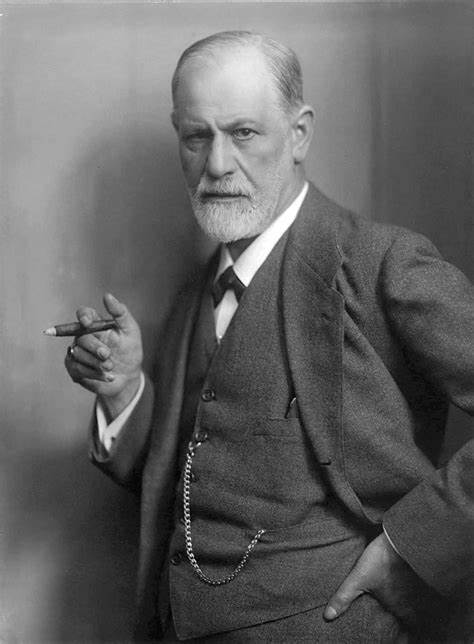
Austrian born Sigmund Freud (1856-1939) is remembered as the father of psychoanalysis. At many levels Freud was a success, but he never enjoyed his success because he was so negative. Let me give you one example. In 1918, he wrote, “I have found very little good in human beings as a whole. In my experience most of them are trash.”  Some say he was negative because he was in constant pain from jaw cancer caused by his cigar smoking. Some say his negativity was caused by his atheism.  Perhaps it was a combination of the two. However, one point is clear. Hardships have a way of exposing our spiritual maturity. It is not just true of Freud; it is true of everyone. That takes us to our scripture reading, 1 Kings 17:18-24.

The story is a conversion between the prophet Elijah and a grieving woman. Elijah is considered the greatest prophet in the Old Testament, known for his many miracles. The woman was another faceless victim. Hardship seemed to be her best friend. She struggled with her son’s death, because she believed in the unwritten rule that children should outlive their parents. In her story, that simply did not happen. His death is painful for two reasons. First, the boy reminded her of the past and those were happier days. Perhaps, her son had his father’s smile or laugh. Perhaps, her son gave her the strength she needed to survive her husband’s death or an excuse to keep living. He was a reminder of happier times. The joy she felt at her son’s birth was now balanced out by the pain of his death. Second, the boy was her future security. She lived in sexist times; women were not permitted to own property. Without her son she would just become another beggar. His death filled her future with countless questions. It is safe to say, his death hit her hard.

She did what many faithless people do when hardship arrives. She lashed out at God. Verse 18 quotes the grieving widow, “What do you have against me, man of God? Did you come to remind me of my sin and kill my son?”  How many people do you know blame God when troubles come their way? However, this is a resurrection story. Elijah did what people of faith do during hardship – they turn to God. He takes the boy’s lifeless body and retreats to a quiet place. Elijah turned to God and in the end the boy is resurrected. According to the text, verse 20, he cried out to God and God heard him. The boy was resurrected and returned to his mother. The story of the grieving mother resonates with many because everyone faces problems.

During my time in the ministry, I made pastoral care a priority. Every afternoon I would visit someone who was facing hardship. Sometimes I would visit the hospitalized. Someone was always dealing with cancer, recovering from a stroke, or fighting an infection. Sometimes I would visit shut-ins. Television sets were their only link to the outside world. Sometimes I would visit the institutionalized. The nursing home staff would call them sweetie and honey, but they were just another resident. I feared no one really cared. Honestly, I fear I will spend my last days in this world in one of those places. In all my visits no one expected me to solve their problems. The only thing that mattered to them was that I cared, and that I would pray with them. I never disappointed them, because, like the grieving mother, they needed God. Every visit I made reminded me I had a good life. The problem is hardships are waiting for all of us. The only question is, how will we respond?

Years ago, Dr. Raymond Edman wrote a little book called In Quietness and Confidence. He says every time a Christian faces hardship we must do two things. First, we must face the problem head-on. Second, we must remember four clear statements. These are the statements:

  1. I am here by God’s appointment. In other words, God wants you in that situation for some reason. That statement is important because it reminds us that God has not forgotten us. In our story, the widow’s son died so the power of God could be demonstrated. I cannot promise you a resurrection, but I can guarantee you that God has not forgotten you.
  • I am in God’s keeping. In other words, God will care for your needs. I didn’t say extravagant living; I said basic needs. In 1 Kings 17:4-6, Elijah drank from the brook and existed on sandwiches. During my time in the ministry, no church member ever died of starvation. God cares for our needs.
  • I am under God’s training. In other words, God has a plan for your life. Your troubles are molding your heart for something special. What sensitivities have you gained because of your hardships? How have your problems changed you? The lesson of humility is hard to accept.
  • God will show me the purpose in God’s time. I would like to say the purpose of your suffering will be revealed in this world, but I don’t want to lie to you. When I get to heaven, I have a great list of questions for God and so do you. In God’s time we will get our answers.

Don’t let your problems just be a problem. Accept the fact that your problems are an opportunity to witness your faith. Non-believers, like the widow, blame God and others. Believers turn to God. Let me end with this story.

In 1985, Bruce Goodrich (1967-1985) was training to be a cadet at Texas A&M University. One day, Bruce and the others were expected to run until they dropped. It seemed like an innocent hazing prank. The problem was, Bruce did, but he never got up. He died from heat stroke; he died before he went to his first class. Shortly after his funeral, Bruce’s father wrote a letter to the university. What kind of letter would you write if your child had just died in a senseless way? This is what Bruce’s father wrote:

I would like to thank the university for the kindness you showed my family during our time of need. I am pleased Bruce had a Christian witness on the campus. While we may not understand the events of the past few weeks, we know God does. God does not make mistakes. We know that Jesus is caring for Bruce now.

Can you question that father’s faith? Hardships have a way of stimulating our witness. They reveal our spiritual maturity. The faithless widow looked for someone to blame. The faithful prophet turned to God. What are you going to do next time hardship visits your house? Perhaps, Psalm 46:1 says it best, God is our refuge and strength, a very present help in trouble.”
Christianity’s Cornerstone

Christianity’s Cornerstone

Billy Graham (1918-2018) was born in Charlotte, North Carolina. He became famous for his evangelistic crusades. I heard him preach in Cleveland, Ohio in the 1990’s. Southern Baptist to the core, his message resonated with many Americans. He said it countless times: we are saved by grace and by grace alone. You must accept Jesus as your Lord and Savior and live a life that is completely committed to him. When he died on February 22, 2018, those who were closest to him reported, he was prepared for his own death. He told his son, Franklin Graham (born 1952), “Someday you are going to hear I am dead. Don’t believe it. I will be more alive than ever before.”  Billy Graham understood the importance of the resurrection of Jesus, and he knew why it was important. I hope you do too. Your belief in the resurrection is not just important, it is indispensable! That leads us to the Bible.

For the last ten years in my ministry, I went to a local cemetery to observe Good Friday. It was not a well-attended service, but it was the right thing to do. I wanted to drive home the point that Jesus died. How can you have a resurrection without a death? You know the story. Matthew 27:45-50 tells us Jesus died on a Friday at 3:00 in the afternoon. He died Roman style, crucified between two common criminals. In a certain way Jesus was lucky. It was not uncommon for the crucified to die slowly with their corpses thrown into a pile with other victims. Those lifeless bodies would be eaten by buzzards or wild dogs. That was not Jesus’s story. He died relatively quickly, his body was placed into a new tomb, purchased by Joseph of Arimathea. A large stone was rolled in front of the entrance to protect it from thieves and to trap the odor of his decaying body. The Roman government was persuaded by Jesus’s enemies to place guards in front of the tomb to eliminate any future problems. This was all done by dark on Friday, because the law prohibited any burials on the Sabbath. Saturday must have been a long day for those who loved Jesus. Disappointed, they were full of questions. After all, Jesus was dead.

That takes us to our primary reading, Matthew 28:1-10. According to the text, it is early on Sunday morning. Two women both named Mary visit Jesus’s tomb. According to Mark 16:1, they went to anoint Jesus’s body. According to Matthew, four unusual things happen during their visit. First, there was an earthquake. Only Matthew mentions the earthquake, it tells us God had done something special. Second, the giant stone had been rolled away. Third, an angel dressed in white, symbolizing purity, told the women Jesus had been resurrected. Forth, the women experienced the resurrected Jesus themselves. There is a world of difference between hearing about the resurrection of Jesus and experiencing the resurrected Jesus.

They tell me in the Greek Orthodox tradition, many people tell jokes on Easter because God played the greatest practical joke on Satan. It looked like Satan had won. Jesus was dead, and Satan must have celebrated all day on that Silent Saturday, but Sunday was coming. On Sunday, God resurrects his one and only son, Jesus. The resurrection of Jesus is Christianity’s cornerstone. I Corinthians 15:14 says, “If Christ has not been raised, our preaching is useless and so is your faith.”  But Christ has been raised from the dead, so our preaching is useful and so is our faith. According to Campus Crusade for Christ, now Cru, the resurrection did four things.

 1. The resurrection proved that Jesus was divine. His death did not prove anything. In time, everyone dies. Jesus died. However, Jesus’s bodily resurrection proved he was divine. Roman 1:4 says, “and who through the Spirit of holiness was appointed the Son of God in power by his resurrection from the dead: Jesus Christ our Lord.”

 2. The resurrection proved Christ’s power to forgive sins. The resurrection broke the bond sin holds on us. Without the resurrection, we are bound to sin. With the resurrection, we are liberated from sin. 1 Corinthians 15:17 says, “And if Christ has not been raised, your faith is futile; you are still in your sins.”

 3. The resurrection reveals Christ’s power over death. Jesus did not just live, die, and live again, just to die again. Jesus is alive still today. Romans 6:9 says, For we know that since Christ was raised from the dead, he cannot die again; death no longer has mastery over him.”  Equally important, death has no hold on us. Through our faith in Jesus, we are going to live for eternity. Ephesians 2:6 says, “And God raised us up with Christ and seated us with him in the heavenly realms in Christ Jesus.”

 4. The resurrection defeated God’s enemy. Until the day Jesus walked out of the tomb, Satan fought against God. However, when Jesus came back to life, Satan knew he had lost. Because of the resurrection, Christians should never fear Satan again.

For several years, my wife Kathryn and I went to Washington DC annually. For eighteen years, she was the Director of Protestant Campus Ministry at Youngstown State University. Part of her responsibility was to chaperone international students to our nation’s capital. We took them Arlington National Cemetery, the Lincoln Memorial, the Washington Memorial, the Vietnam War Memorial, the Korean War Memorial, the World War II Memorial, The Holocaust Museum, the White House and the Capital Building. I have fond memories of those trips.

Each trip ended the same way. We visited the National Cathedral. I believe it is the city’s best kept secret. Built by private funds, it is an impressive structure. It took 83 years to complete. The construction began in 1907; the cornerstone was set with President Theodore Roosevelt (1858-1919) in attendance. The construction was completed in 1990, when President George H. W. Bush (1924-2018) was in office. It is a functioning Episcopal Church, full of Christian symbolism.

Our trips occurred during the month of March, so the cathedral was decorated for Lent. Many of the international students were not Christian, so they were curious about the symbolism. One year, I walked through the cathedral with a young woman from Taiwan. Did you know there are over twenty-three million people on that island nation? Approximately one-third are Buddhism. Less than 4% are Christian. Approximately 19% are irreligious, she was one of them. She asked me about the Christian symbolism. I did my best to explain Lent, and I told her about Holy Week, including Jesus’s death on Good Friday and his resurrection on Easter. I said everyone who knows Jesus as their Lord and Savior is going to heaven. She responded by saying, “He must love you very much. He must offer you great comfort.” She could not have been more right. Jesus does love us, and he offers us great comfort. We are resurrection people! American businessman Joseph Wirthlin (1917-2008) said, “The resurrection is at the core of our beliefs as Christians. Without it, our faith is meaningless.”  The resurrection is Christianity’s cornerstone.

Christ is King

Our reading is Matthew 21:1-11, the traditional scripture for Palm Sunday. To the regular worshipper, the story and background are familiar. According to the text, a great crowd had gathered in the city of Jerusalem. It was time for Passover, a time for people to do three things. First, they made their annual animal sacrifice at the temple. Second, they paid their annual taxes to the government. Third, it was time to reconnect with family and friends, like Thanksgiving or Christmas in America. It is for that reason everyone wanted to be in Jerusalem for the Passover. The law required people to attend, but no legislation was necessary. Everyone wanted to be in Jerusalem for the Passover. It has been estimated that the population of Jerusalem swelled to 2,500,000 and on the lips of everyone was the name Jesus.

Each one of the Gospel writers emphasizes the size of the crowd. Matthew calls it a very large crowd (Matthew 21:8). Mark says many people spread their cloaks on the road, while others cut palm branches from nearby fields. Some people followed Jesus; some people ran ahead of Jesus (Mark 11:8-9). Luke says the crowd was so great the religious leaders encouraged Jesus to rebuke them (Luke 19:39). John tells us a great crowd gathered for the festival (John 12:12). All the Gospel writers tell us the crowd cheered for Jesus when he entered Jerusalem. You can’t question the fact that the crowd was large. However, you can question the commitment of the crowd. The massive cheering crowd on Palm Sunday was replaced with the tears of the few on Good Friday.

The massive Palm Sunday crowd disappeared. They simply didn’t understand Jesus’s mission. Some in the crowd cheered for Jesus because he was popular. Everyone was talking about Jesus, and they didn’t want to be left out. Still today, many like being near a celebrity. Some cheered for Jesus for political reasons. They had grown tired of foreign domination and longed for Jesus to lead a revolution against the Romans. If Jesus would use his power and charisma for their cause, then independence was possible. Some cheered for Jesus for personal reasons. They were sick, or a loved one was sick, and they hope Jesus had a healing saved up for them. They cheered for Jesus to get his attention, so he would have pity on them. In the end, each group was disappointed, because they simply didn’t understand Jesus’s mission. They were more interested in their personal agenda than Jesus’s divine mission.

Palm Sunday reminds us “Christ is King.” Jesus came to usher in a new kingdom. Unlike political kingdoms that would come and go, unlike kings and presidents who will be replaced, Jesus’s kingdom will last forever, and he will sit on that throne forever. In the end, Jesus will hold everyone accountable. His kingdom exists beyond this world, because he defeated death itself. Like looking out an airplane window, you must look at the panoramic view of Palm Sunday to see the whole picture. Five times in the Palm Sunday story God tells us that Christ is king. Let me look at each one individually.

  1. John 12:12-13 tells us the crowd cut palm branches, waved them in the air, laid them on the ground, and cheered for Jesus, “Hosanna!” as he rode into the city. The palm branch represented goodness and victory. It was symbolic of final victory. Jesus would soon defeat death. 1 Corinthians 15:55 says, “O Death, where is your victory? Where is your sting?”
  • According to Bible, Jesus rode into Jerusalem on a donkey. The donkey symbolized peace, so the one riding the donkey came with peaceful intentions. Jesus called himself the Prince of Peace. When Jesus rode the donkey, he fulfilled the Old Testament prophecy in Zechariah 9:9, Rejoice greatly, Daughter Zion! Shout, Daughter Jerusalem! See, your king comes to you, righteous and victorious, lowly and riding on a donkey, on a colt, the foal of a donkey.

  • When the people cheered “Hosanna” they were hailing Christ as King. The word means “save now,” and though they wanted an earthly king, God offered them an eternal king. Psalm 118:26 says, “Blessed is he who comes in the name of the Lord.”
  • Luke 19:41-42 says, “As he approached Jerusalem and saw the city, he wept over it, and said, ‘If you, even you, had only known on this day what would bring you peace – but now it is hidden from your eyes.’” Jesus knew what would happen on Palm Sunday. The people who cheered for him on that day would soon reject him. That reality was more than Jesus could handle, so he wept.
  • Palm Sunday reminds us that the reign of Christ is greater than any man’s mind could conceive or plan. The crowd was preoccupied with the things of this world, but God was concerned with eternity. We are free of death because Christ was the ultimate sacrifice. In John 11:25, Jesus said of himself, “I am the resurrection and the life; he who believes in me will live even if he dies.”

The Palm Sunday story reminds us five times that Christ is King. It is repetitive because God wants us to learn that divine truth.

One of the things my wife Kathryn is doing in retirement is studying Russian. This is nothing new. She has been studying Russian on and off for decades. She finds mastering the Russian language vital in her work with her non-prophet, Project Orphan Outreach. She has a heart for orphans in the former Soviet Union. Russian is spoken in many countries in Eastern Europe. When we travel to Christian Camp Gideon in Estonia in Estonia this summer many will speak Russian.

There is nothing easy about the Russian language. She is working hard to master it. Nightly, as we watch television she studies her homemade Russian flash cards to improve her vocabulary. She can tell you the Russian word for “desk.” She can tell you the Russian word for “dark blue.” She can tell you the Russian word for “mirror, thirty-three and cat.” Under her breath, yet loud enough for me to hear, she repeats her Russian vocabulary words, time and time again. Some would find this practice annoying, but I don’t, because I can only say three Russian words, toast, roast beef and soup. I am proud of her. She tells me daily in perfect Russian, repetition is the mother of learning. When I was in school, I repeated the same information over and over to learn it.

God must believe repetition is the mother of learning too. Five times on Palm Sunday, he reminded us Christ is King. He did so when the crowd waved palm branches. He did so when Jesus rode into Jerusalem on a donkey. He did so when the crowd cheered “Hosanna!” He did so when Jesus cried for the city of Jerusalem. He did so when Jesus told us, “he was the way, the truth and the life.” Pope Benedict XVI (1927-2022) once said, “But Palm Sunday tells us that… it is the cross that is the tree of life.” Don’t forget it. Christ is king!

Don’t Give Up Missions

There came a point in Jesus’s earthly ministry when he was no longer welcomed in the synagogues. With no other option, Jesus began to teach in the open air and began to tell parables. Parables are practical illustrations from daily living. Parables are not fables with a moral lesson. Parables are not analogies, where each character represents a contemporary character. Parables are different, because they illustrate a single divine truth.

Our reading, Matthew 25:31-46, the parable of the sheep and the goats, is a judgement parable. That generation saw the scene regularly. As a shepherd separates the sheep from the goats, so God will separate the righteous from the unrighteous. The righteous will enter heaven, because they responded to human need. They provided food, drinks, companionship, clothing, and medicine to those in need. The unrighteous were sent to hell because they failed to respond to human need. They were preoccupied with their owns needs and desires. The point of the story is clear – Jesus expects us to respond to human need. In the life of the church, we call responding to human need missions. Christian missions is an excellent way of expressing your appreciation to God for saving your soul. My goal in this blog is to help you appreciate the mission work of the church. I will do that by making three statements about mission work. I hope these statements make you think.

This is statement number one. Missions involve interpersonal relationships. Once you learn the name of the person you are helping, everything changes. Once you get involved in their story, missions come to life. Missions is not charity, missions is deeper. There is nothing wrong with collecting food, paper products or warm clothing. There are many people who need them. The problem is, you never get to know the person who will eat that food, use those paper products or wear that scarf. Charity is fine, but the needy always remain at a distance. Missions involve interpersonal relationships. In my life, I cherish the relationships I have made while helping someone in need. They changed my life while I was helping them. I think and pray for them regularly. If you want to thank Jesus, get involved in someone else’s story. Missions involve interpersonal relationships.

This is statement number two. Missions expose a person’s spiritual maturity. Spiritual babies only think about themselves. The spiritually mature grow to understand that life is about others. No activity in the life of the church exposes spiritual maturity more than missions. If it is true of people, and it is true of churches. If you show me a church that is not involved in missions, then I will show you a church that is on the way to extinction.

On the day missions take a backseat to everything else, your church will begin to die. If you want your church to close, then frustrate every mission opportunity. It is easy to do. You can justify your opposition based on sound business principles. Others will support you because there are other spiritually immature people. The church was never meant to be a business. The church was meant to be an extension of Christ in the world. When the winds of Pentecost blew, the only thing that mattered to those charter members was Jesus. The only thing that should matter to you is Jesus. The spiritually mature understand when we care for the needy of this world we are really caring for Jesus. When we ignore the needy of this world, we are ignoring Jesus. That is what the Master said in the parable. Missions expose a person’s spiritual maturity.

This is statement number three. Missions involve a certain amount of risk. Can I state the obvious? There are many frightened people within the life of the church. Whenever I have gotten involved in a mission project, well-meaning people try to stop me. When I went to the Philippines, people told me, don’t go! Their government is unstable. When I went to Mexico people told me, don’t go! You could get a disease. When I went to Haiti people told me, don’t go! You could be held hostage. Every time I traveled to the former Soviet Union, some well-meaning person warned me that I could be arrested and interrogated. When I tried to help the poor in my nearby city, people asked me, “Aren’t you afraid to be in the city? Someone seems to be killed every day.”

Yes, missions involve a certain amount of risk. Yes, the government may be unstable. Yes, the food may be bad. Yes, the residents may not like Americans. Yes, you may fall in love with someone in need and get your heart broken. However, this is what experience has taught me: The reward of helping those in need is greater than the risk. There is a world of needy people out there whom God loves. How can you turn your back on them? If you don’t believe God is calling you to go, then don’t go. Stay home. But, if God has called someone else to do something, then don’t discourage them. Encourage and pray for them. Never forget, God is with the person he has called into missions. Missions involve risk.

Ernest Henry Shackelton (1874-1922) was born in Ireland on February 15, 1874. His father wanted him to be a doctor, but he wanted to be a sailor. At the age of sixteen, he joined the merchant marines and saw the world. His greatest desire was to travel to the South Pole. In December of 1914, he got that opportunity. He was the captain of a ship called Endurance, which had a crew of twenty-seven men. For years, I read about an advertisement he ran to recruit his crew. This is the fictitious ad:

Men wanted for hazardous journey. Small wages. Bitter cold. Long months of complete darkness. Constant danger. Safe return doubtful. Honor and recognition in case of success.

The story ends by saying Shackleton could not take all the men that responded to that ad.  I was saddened to learn several years ago that story is not true. I wanted that story to be true, because I longed for an adventure. I didn’t just want to live and die. I wanted to make a difference. I am not alone. Many long for an adventure and to make a difference.

I believe you long for an adventure and want to make a difference in this world too. I believe you are desperate to find a way to thank God for saving your soul. The world is filled with people who are in need. How are you going to respond? Pastor of the Saddleback Church in California Rick Warren (born 1954) once said, “The only way to serve God is to serve other people.”  Never give up on missions!

Don’t Give Up the Bible

Historically, Americans have always had an appreciation of the Bible. It is not just limited to one place or generation. Consider these quotes with me:

George Washington (1732-1799) once said, “It is impossible to rightly govern a nation without God and the Bible.”

Patrick Henry (1736-1799) once said, “The Bible is worth all the other books that have ever been printed.”

U.S. Grant (1822-1885) once said, “Hold fast to the Bible as the sheet-anchor of your liberties. Write its precepts in your hearts and practice them in your lives.”

Robert E. Lee (1807-1870) once said, “In all my perplexities and distresses, the Bible has never failed to give me light and strength.” 

Theodore Roosevelt (1858-1919) once said, “A thorough knowledge of the Bible is wort h more than a college education.”

Those quotes are impressive. Do you believe America still values the Bible? That question takes us to our scripture reading, Acts 8:26-31.

The main character in the story is the apostle, Philip. He is instructed by an angel to go to the road that runs between Gaza and Jerusalem. The distance between those two locations is fifty miles. Somewhere on that road he finds a unique traveler, an Ethiopian eunuch. We know two things about him. First, we know his nationality. He was from Ethiopia. In those days, Ethiopia was considered the upper Nile region. Second, we know his occupation. He was the treasurer of the queen of Ethiopia, Candace. He was a eunuch because he worked with the queen and fornication will not be tolerated. He has a wonderful job, but his personal life was lacking. Confused, he sat on the side of the road studying the Old Testament. His life is filled with questions, and he wants some answers.

This is where the text begins to speak to us. The Ethiopian is reading the scriptures, but he does not understand the scriptures. It is one thing to read the words. It is another thing to understand the words. When was the last time you played the part of the Ethiopian? When was the last time you read the Bible, but you didn’t completely understand the words?

I will be the first one to admit it: the Bible is complex. Only fools think the Bible is simple. Just think about it for a moment. There are sixty-six books in the Bible: thirty-nine in the Old Testament and twenty-seven in the New Testament. Have you ever read the Bible cover to cover? Have you ever stopped to consider how many kinds of literature are found in the Bible? Have you ever stopped to consider the age of the Bible? Have you ever studied the original languages of the Bible – Hebrew and Greek –  to expose some hidden meaning? Have you ever considered how much time passed between the oldest words in the Bible and the newest words in the Bible? Have you ever stopped to consider how much time has passed since the Bible was completed? Everyone agrees the Bible is complex; no wonder the Ethiopian Eunuch needed some help. However, the complexity of the Bible is not an excuse for not reading it. Reading the Bible is vital to your spiritual maturity. Let me give you two reasons why.

First, the Bible is practical. Ronald Reagan (1911-2004) once said, “Within the covers of the Bible are all the answers for all the problems man faces.”  The Bible addresses a wide variety of practical topics. How would your life improve if you applied these Biblical models to your daily life? How many of the problems would not exist if you would have followed the Biblical model from the very beginning? Are all your relationships healthy? Are your finances strong? Are you still worried about your salvation? The Bible covers these things because the Bible is practical. The Bible can help you with the biggest problems you are facing today! The Bible is practical!

Second, the Bible is eternal. The piece of scripture the Ethiopian is trying to understand is found in Isaiah 53, the suffering servant passage. Approximately 700 years before the birth of Christ, Isaiah talked about Jesus. The great reformer Martin Luther (1483-1546) once said, “The Bible is the cradle wherein Christ is laid.”  Luther understood the real meaning of the Bible. The Bible is all about Jesus, our only hope of salvation. The Bible is eternal!

The whole situation is sad. Our national Biblical illiteracy rate is at an all-time high. The Lifeway Research Group reported in 2017, 85% of all Americans own a Bible. The average American home possesses 4.4 Bibles. The problem is not possession, the problem is practice. Few are reading them. Only 10% of Americans read their Bible daily, only 25% percent of Americans read their Bibles once a week. 40% of Americans have never read their Bible.

When Jay Leno (born 1950) hosted The Tonight Show, he had a segment called Jay Walking. He would walk through the streets of Hollywood and ask people simple questions. It is amazing what people don’t know. One night he asked three college-age men questions about the Bible. He asked the first young man to name one of the Ten Commandments. He answered, “Freedom of Speech”. Then, he asked the second young man to complete this sentence: “Let the one who is without sin…” He answered, “have the most fun”. Smugly, the third young man laughed at his friends. Leno asked that young man, who in the Bible was swallowed by a great fish? The young man smiled with confidence and answered, “I know this one. It was Pinocchio!” We laugh at those ridiculous answers, but it really isn’t funny. It isn’t just true of the unchurched. It is true of the church too.

In 1989, I was appointed to a United Methodist congregation in Garfield Hts., Ohio.

When I first arrived, I did my best to get to know everyone. I did my best to discover what kind of activities they would support. In the first few months, I took a survey to learn more about them. On the survey were a wide range of questions. One of the questions was: “Do you think this church have a regular Bible study?” 98% of the congregation said, “Yes!” So, I planned a weekly Bible study and decided to use the biggest room in the church. After all, 98% of the people said the church should have a weekly Bible study. On the night I held the first Bible study I learned two things. First, I didn’t need the biggest room in the church. Second, I found out that evening I asked the wrong question. I should have asked, “Would you attend a weekly Bible study?” The survey told me 98% of the congregation said there should be a weekly Bible study, but less than 2% of the congregation came. I didn’t need the biggest room in the church. I could have held my Bible study in a phone booth.

It has been a long time since my unsuccessful weekly Bible study. Do you know what happened to that congregation? It pains me to say it. The church is now closed. That church did not close because the people were bad. That church did not close because the people were lazy. That church did not close because the people were not devoted to their church. That church closed for spiritual reasons. I believe that church was closed, because it was spiritually immature. Having no interest in the Bible is a sign of spiritual immaturity. Why would God lead people to a church that was spiritually compromised? Are you spiritually compromised? Spiritually mature people read the Bible. How often do you read the Bible? Actor Denzel Washington (born 1954) once said, “I read my Bible every day.”  How often do you read your Bible? Never give up the Bible!

Don’t Give Up Fasting

Scottish evangelist Oswald Chambers (1874-1917) once said, “The Sermon on the Mount is a statement of the life we will live when the Holy Spirit is getting his way with us.”  Jesus is setting the standard high. The Sermon on the Mount is found in the sixth, seventh and eighth chapters of Matthew. There are rich teachings found in these chapters. The Semon on the Mount includes the Beatitudes, and Jesus’s teachings on murder, adultery, divorce, along with his teachings on love, prayer and judging. In these chapters, Jesus teaches us to care for the needy. Standing with these memorable teachings is our reading, Matthew 6:16-18, about fasting. Many have chosen to ignore these words. I am one.

I was an active member of the clergy for 40 years. I served as a youth director in Frankford, Indiana for a year. I was the pastor of a small membership church outside of Danville, Kentucky for three years. Then, I served three United Methodist congregations in the old St. Clairsville District of the East Ohio Annual Conference for two years. I served a church outside of Medina, Ohio for a single year. Then, I served a church in Garfield Heights, Ohio for five years. During my last 28 years I served a church in Canfield, Ohio. That all adds up to 40 years. Conservatively, I have written approximately 2,000 sermons. Do you know how many sermons I have written on fasting? Including today’s blog, one! There is just something wrong with that imbalance. Jesus taught us about fasting, but we have ignored the whole topic. It is not just me. It is true of other preachers too.

My favorite website for “canned” sermon illustrations is called sermonillustrations.com. All the illustrations are arranged alphabetically in order of topic. If you want an illustration about grace, then you look up grace. If you want a sermon illustration about love, then you look up love. If you want an illustration on pickles, then you look up pickles. I thought they had an illustration on every topic, but I was wrong! I looked up an illustration on fasting and I got this response, “No illustrations yet”. I went to the internet highway and “GOOGLED” the question, what percentage of Americans fast? I was given information on the number of Americans who eat fast food.

Do you know of any Christians who fast for spiritual reasons? Through the years, I have met some amazing Christian people. I have known people who haven’t missed worship in decades. They even worship when they are on vacation. I know people who value prayer. I call them prayer warriors. I have known people who have studied the Bible and can quote it by chapter and verse. Just give them a Bible verse, they will quote it. Can you quote Ezekiel 31:9 right now? I have known people who take Holy Communion at home daily and people who won’t take an infant outside until after its baptism. I have known people who have served on all the church committees three times. I have known many people, but I have never known a single Christian who fasts for spiritual reasons. Do you know of anyone who fasts for spiritual reasons? That leads me to another question.

Jesus assumed in our reading people would fast, so why don’t we? Why have so many decided to ignore the spiritual discipline of fasting? I believe there are a couple of reasons. Some don’t fast for medical reasons, and they shouldn’t. If you are pregnant, then you should not fast. If you are a diabetic, then you should not fast. If you have a physical condition that depends on a regular diet, then you should not fast. Some don’t fast because they don’t completely understand the concept of fasting. A fast is not a diet. The goal is not to lose weight so you can look good in your swimsuit this summer. A fast is not a hunger strike where you refuse to eat to get attention for your cause. Many don’t fast because they are preoccupied with food. This is it in a nutshell: Most of us are more infatuated with food than we are with God. I don’t want that to sound harsh or judgmental. I want it to sound observant. How many people do you know who talk easily about food, but they never talk about God? The whole situation is sad.

However, those Christians who do fast say there are spiritual benefits. This is the list:

Fasting will strengthen your prayer life

Fasting will help you find God’s guidance

Fasting will help you grieve

Fasting will help you find divine deliverance or protection

Fasting will help you truly repent

Fasting will humble you before God

Fasting will enhance your sincerity

Fasting will help you overcome temptation

Fasting is not for those who are just curious about God. Fasting is for those who are infatuated with God. Are you just curious about God, or are you infatuated with God? John Wesley (1703-1791) said, “Fasting and prayer make a powerful combination.” The topic of fasting always reminds me of an experience I had years ago.

I decided to try a new program at my church.  During that season of Lent, I formed a group called “Lunch with the Pastor”. The idea was simple. We would meet at noon in the fellowship hall and discuss that day’s sermon. I wrote a list of hard-hitting questions to discuss and ordered a sandwich ring. It was a simple straight forward idea. I thought, what can go wrong?

On the first Sunday of Lent, the little group gathered. On paper plates, we ate our sandwiches and chips. We drank out of paper cups. I couldn’t have cared less about the food. I wanted to dig into my hard-hitting questions. Before I could ask my first question, someone asked me a question. It torpedoed the whole group. This was their question: “Russ, what did you pay for the sandwich ring?” I didn’t remember. It was somewhere between a dollar and a million dollars. It didn’t matter, because I paid for it. She said, “I’ll cook lunch next week. I can serve this group for a fraction of the cost.” That grabbed everyone’s attention because everyone knows the purpose of the church is to save money and eat. She went on to tell us in detail everything she could cook and save money. I don’t think we covered a single question that day. We spent the whole time talking about food. The next week, I thought, this week will be better. I was wrong! When the time came, she provided lunch, and the food was cheaper and better. Someone else in the group announced they would cook the next week and then we had another fascinating discussion about cooking. On the third week, I gave up. My sermon discussion group with my outstanding hard-hitting questions turned into a recipe exchange club. We never met again, and no one ever missed it. I never tried such a group again. I just can’t compete with food. Can I state the obvious? Food is a good thing! However, there is something better: God! It’s a fair question: Are you more infatuated with food, or with God?

In the Bible, Moses, King David, Elijah, Queen Esther, Daniel, Anna the prophetess, the Apostle Paul and Jesus Christ all fasted for one reason. Each one was infatuated with God. Are you infatuated with God? Or are you more interested in food? Fasting is giving up something good to experience something better. There is nothing better than God. Never give up fasting!

Don’t Give Up Prayer

We find ourselves in the eleventh chapter of Luke. The story begins with Jesus praying. This is not surprising because Jesus prayed often. The scriptures tell us he prayed when he was alone and he prayed in public. He prayed before meals. He prayed before, and after healing. He prayed before making an important decision. He prayed to do God’s will, and he prayed before he taught about the importance of prayer. I feel comfortable saying, no one has ever prayed more than Jesus. This story begins with Jesus praying.

Once he had finished praying, the disciples asked him to teach them how to pray, like the followers of John. The disciples are not looking for instructions on how to hold their hands or close their eyes. The disciples are looking for exact words. Every rabbi, every teacher, taught their students, or disciples, scripted prayers. If you heard the prayer, then you could identify the individual’s rabbi. John had taught his disciples a certain prayer that was unique from all other rabbis. Jesus’s disciples wanted him to teach them a unique prayer so they can be like everyone else in their uniqueness. Luke’s version of the Lord’s Prayer has five different petitions. Matthew’s longer verse of the Lord’s Prayer, Matthew 6:9-13, has seven petitions. The disciples asked Jesus about prayer years ago, but the topic is still relevant.

Many people in our time do not understand prayer. As I have mentioned in recent blogs, prayer is not about getting what you desire. Prayer is about cultivating a friendship with God. During this season of Lent, I would encourage you to examine the attitudes you bring into your prayer life. Never forget, you are speaking to the God of the universe, not your next-door neighbor. Let me ask you three questions.

When you pray, do you pray with a grateful spirit? In Jesus’s prayer, he was thankful for his daily bread. Jesus doesn’t just want us to be thankful for life’s extras. He wants us to be thankful for life’s basics: your home, your food, your loved ones and your health. This is a fair question. Do you see what you have, or do you only see what you want? When you pray, do you pray with a grateful heart?

When you pray, do you pray with a forgiving spirit? In Jesus’s prayer, he tells us to forgive others, as God has forgiven us. Do you need to be liberated from your unforgiving heart? The event may have happened years ago, or it could have happened recently. In the end, your unforgiving heart is damaging you. Who do you need to forgive today? Is it possible you need to forgive yourself? How can you talk with God, who forgave you of so much, and not forgive someone else? When you pray, do you pray with a forgiving spirit?

When you pray, do you pray with a trusting spirit? In Jesus’s prayer, we are to trust God. “Lead us not into temptation.” The key word in that line is lead. There is a world of difference between being led and being an adviser. Many want to advise God. How far do you trust God? When you pray, do you pray with a trusting spirit? Let me end with this story.

Years ago, I was visiting someone at a local hospital. I parked in the parking deck, crossed the street and entered the hospital. After getting my person’s room number at the information desk, I headed for the elevators. I punched the up button and waited for the elevator to arrive. As I waited a young man joined me. He was wearing a knit cap and a red, green and black leather jacket. We stood side by side waiting for our elevator, but it was clear we came from different worlds.

I couldn’t help but notice he was holding a six-pack of Colt 45 under his arm. Don’t be so pious – you know what Colt 45 is. At one time, Billy Dee Williams (born 1937) was Colt 45’s spokesperson. It’s a malt liquor. I will be honest with you, I have never drunk a single Colt 45 because I am afraid. I am sure it tastes horrible, and someone told me when I was young, it could cause blindness. This is where the story gets interesting. I couldn’t resist. I looked at the young man and asked him if he bought the six-pack at the hospital gift shop. He laughed and smiled, revealing his gold tooth. He said, “No sir, I bought it at the gas station across the street.” I was afraid to enter that gas station too. He continued, “I’m taking them to my sick friend here in hospital and we are going to split them.” He asked me if I was visiting a sick friend. I said, “Yes,” and told him I was a minister. He put down his Colt 45 and stuck out his hand. As we shook hands, he said, “My name is Rodney. Why don’t you come with me to my friend’s room? You can say a short pray for him and the three of us can share some Colt 45.” I thanked him for the invitation but refused. My mom raised no fools. I just couldn’t see how it could end well. Can I ask you a question? Do you think Rodney had the right attitude about prayer? Maybe this is a better question.

Do you have the right attitude about prayer? Prayer is not just a way to get what you want. Prayer is cultivating a friendship with the God. The next time you pray ask yourself three questions: Do you pray with a grateful spirit? Do you pray with a forgiving spirit? Do you pray with a trusting spirit? Did you know 55% of all Americans pray daily? How many of those people pray with the right attitude? The great reformer Martin Luther (1483-1546) once said, To be a Christian without prayer is no more possible than to be alive without breathing.”  Never give up prayer!

Ash Wednesday

We are instructed from the Gospel of Luke. The author of this book is never mentioned by name, but we know certain things about him. He was a Gentile, who was well educated in Greek culture, and a physician by trade. He penned this Gospel approximately the year A.D. 70. The outline of Luke is geographical. The first section revolves around Jesus’s time in Galilee. The second section revolves around Jesus’s time in Judea. The third section revolves around Jesus’s time in Jerusalem. In our reading, Luke 9:18-26, Jesus is in Galilee.

In our reading, Jesus was a celebrity. Everyone was talking about him, and everyone wanted something from him. Everyone was guessing his identity. However, Jesus was not interested in everyone else’s opinion. Jesus was only interested in what the disciples thought about him. So, he asked them the question that changed everything: who do you say I am? The usually chatty disciples grew strangely silent. It is not that they don’t have an opinion, it was that they didn’t want to be wrong. It is Peter who answered first and correctly. He said, in verse 20, “God’s Messiah.” Jesus instructs the disciples to keep his identity a secret. The reason is simple – their generation misunderstood the word, Messiah. They longed for a military Messiah to liberate them from foreign rule. Instead, Jesus was a spiritual Messiah who came to liberate them from sin itself. Jesus says it clearly, but the disciples don’t listen. As the spiritual Messiah, Jesus will suffer, be rejected and die. However, that is not the end of the story. In the end, Jesus will be resurrected.

The power of the empty tomb is such a glorious thing. Jesus invites others to share in his glory. However, if you are going to follow Jesus, then you must be completely committed to him. People traditionally give up things for Lent to show the world they are completely committed to Jesus. If you are reading this blog, I am assuming you have decided to follow Jesus too. Let me ask you this question:

What are you going to give up for Lent? Did you know 24% of all Americans observe the season of Lent. Many give up something for Lent. Maybe you are giving up one of these things? The list changes from generation to generation. Are you giving up:

  1. Chocolate or sweets
  2. Alcohol
  3. Smoking
  4. Fast Food
  5. Swearing
  6. Social Media
  7. Shopping
  8. Sports
  9. Caffeine
  10. Meat

I hope you know the truth – Lent is not a season of self-deprivation; it is a season of spiritual renewal.To be honest, I don’t normallygive up anything for Lent, but I don’t think it is a bad thing. Instead I always try to be a better person.

Unlike Christmas and Easter, Lent has not crossed over into the secular world. The reason is obvious. Christmas and Easter emphasize receiving something. Lent emphasizes giving up something. There is nothing wrong with a little self-discipline. However, there are some things you should never give up. It is those things that grab our attention during this sacred season. The things we should never give up are the spiritual disciplines. You should never give up:

  1. Prayer   When was the last time you prayed? 55% of Americans pray daily. That number escalates to 88% when a loved one is facing hardship.
  • Fasting   When was the last time you fasted? Do you understand the concept of fasting? Fasting creates time with God.
  • Worship Is worshipping a priority in your life, or is it something you do when your calendar is clear?
  • Meditation  This is hard to do because time is limited. When was the last time you had time to just think about God and his mysterious ways?
  • The Bible   When was the last time you read the Bible for your own edification? With over five billion copies sold, the Bible is the all-time best seller. Sadly, only 11% of Americans read the Bible daily.

These are five of the spiritual disciplines. I am going to look at each one over the coming weeks. I hope you read each one, because each one of these disciplines is vital to your spiritual health. Remember, Lent is a season of spiritual renewal.

Lent comes from the Anglo-Saxonword lencten,which means “spring.” Excluding Sundays, because every Sunday is a little Easter, Lent is a forty-day period. It correlates with Jesus who fasted forty days before being tempted by Satan. Lent begins this year on March 5, and it ends on Holy Saturday, April 19. What are you going to give up for Lent? Maybe this is a better question: What are you not going to give up for Lent? It has been said, Lent is not something we do for God, Lent is something we do with God.

Why the Transfiguration is Important

According to the Revised Common Lectionary, this Sunday is Transfiguration Sunday where Matthew, Mark and Luke tell of the transfiguration. We are looking at Matthew’s version, Matthew 17:1-8. The scene is set up in the previous chapter. For in that chapter, Jesus gives the disciples a little quiz. There are only two questions. This is the first question: who do people say that I am? They give a variety of impressive answers. Then, he asks the disciples the second question: Who do you say I am? Only Simon Peter’s answer is recorded, “You are the Messiah, the Son of the Living God.”  That answer in itself means the disciples are making spiritual progress.

To show his approval, Jesus takes three of the disciples, Peter, James and John, to the top of a mountain. The Mountain was probably Mount Hermon, which raises 9,000 feet above sea level. The inner circle must have believed they were going to receive some special instruction from the Master, but they received so much more. According to Matthew 17:2, Jesus was transfigured. We are not exactly sure what that means. It will have to suffice to say, Jesus was glorified. His face began to shine like the sun and his clothes began to glow. It was an amazing scene. Then the scene grew more complex. Suddenly, Moses and Elijah appeared. They are endorsing Jesus’s ministry. The disciples are rattled, but then the truly miraculous happens. God, himself, suddenly appears. He identifies Jesus, so his identity is clear to everyone. Verse five quotes God. He says, “This is my Son, whom I love; with him I am well pleased. Listen to him!”  The scene ends as quickly as it began. It is one of the great scenes in the Bible, but what does it mean?

Warren Wiersbe (1929-2019) was an American pastor, Bible teacher, theologian and author. He said there are four things about the transfiguration of Jesus that should never be forgotten.  Each one is Biblical. Consider them with me, they have merit. 

The glory of His person – The transfiguration of Jesus came from his inside. It was not something that happened to Jesus, like a spotlight. It was something that came from within Jesus. His glory was permitted to shine. (Hebrews 1:3) 

The glory of His kingdom – Moses and Elijah represented the Old Testament law and the Old Testament prophets. They were the great characters in the Old Testament however they are inferior to Jesus. Everything in the Old Testament pointed to Jesus and his ministry. Jesus was the final piece of God’s plan of salvation for the world. (Hebrews 1:1) 

The glory of His cross – The transfiguration reminds us that suffering and glory go hand in hand. In time, the transfigured, glorified Jesus would be nailed to the cross and die. (1 Peter 1:6-8) 

The glory of His submission – In many ways, the transfiguration is the beginning of the end. Jesus did not go to the cross because he wanted to go. Jesus went to the cross because it was part of God’s plan of salvation. Jesus submitted to God’s will. 

The transfiguration of Jesus reminds us of the supremacy of Jesus. Within the life of the church, if we don’t have Jesus, then we have nothing at all. In my forty years in the ministry, I have reminded people of that divine truth countless times. It sounds simple, but it is easy to forget. Churches get so involved with building maintenance, fundraising for a good cause, and helping the needy that they forget about Jesus. Churches are not service clubs or community action groups. Churches are different because they are all about Jesus. Without Jesus, churches have nothing at all. That is why every congregation must keep Jesus the focal point of its ministry. That is why denominations must keep Jesus the focal point of their ministries. It is sad when churches forget about Jesus.

If you know me personally or read my blog regularly, you know I attended Asbury Theological Seminary in Wilmore, Kentucky. During those years, I served a small membership church between Danville and Lancaster, Kentucky. It was called the Pleasant Grove Christian Church. I am happy to report it is still active. I have nothing negative to say about that congregation. They were kind to me at a time when I needed kindness. In those three years, I got to know other churches in that community as well.

One of those churches was the Mount Olivet Baptist Church. In Kentucky, at that time, every church was Baptist, regardless of the sign. Their theology leaned to the right. It was named after the Mount of Olives. Since I left that area, the Mount Olivet Baptist Church closed. The reason is sad. The church simply shattered over a series of differences of opinions. It all began when the Board of Elders held an emergency meeting. They were upset their pastor, and his wife had filed for divorce. They believed in the Bible and the Bible’s teaching against divorce. They decided to let their preacher go. The problem was the church was divided over his dismissal. Everyone who had suffered through a divorce, or had a family member who had been divorced, was upset. There was an ugly church meeting and A large portion of the congregation left. They swore they would never return. That group was true to their word. They never returned.

A search committee was formed to find a new pastor to fix the mess. They collected a few names. One of the names was a woman. She was by far the most qualified. She had an excellent education, could preach up a storm and was effective in every church she served. There was only one problem – she was a woman, and you know what the Bible says about women speaking in church. For that reason, she didn’t get the call. They called an inferior man, who made a bigger mess. Everything was supposed to be done confidentially, but the word leaked out. Once again, the church was in an uproar. Everyone seemed to know of a gifted and effective female pastor. From that moment on, the Mount Olivet Baptist Church splintered. Both sides quoted Bible verses, and each side claimed they were right. Both sides memorized Bible verses, but both sides forgot about Jesus. Everyone used the Bible to support their opinion. They forget we are called to love people, not judge people. In the end, the once healthy church struggled paying basic bills. In time, the church building and property were sold to a local brewpub. It wasn’t all a loss. I hear both the food, and the beer are great. Can I ask you a question?  

Why do you think the Mount Olivet Baptist Church closed? Did it close because of a lack of Bible? Did it close because the people were not passionate about their church? Did it close because of a lack of money? I believe Mount Olivet Baptist Church closed because they forget about the supremacy of Jesus. Without Jesus, churches have nothing at all. Do you remember what God said? He said, “This is my Son, whom I love; with him I am well pleased. Listen to him!”

Praying for the Lost

Our reading is 1 Timothy 2:1-6. This epistle was written in the year 60 by the apostle Paul. It is a personal letter. Paul is writing to an individual, Timothy. It cannot be overstated, the relationship between Paul and Timothy was close. Many believed Paul led Timothy to faith in Christ. In time, Paul trusted Timothy enough to lead the church in his absence. This letter is a word of instruction to a young pastor.

Our reading needs some interpretation. Paul is encouraging Timothy to pray for political leaders. When these words were written the ultimate political power was Nero. (A.D. 54-68). Paul wants Timothy to pray for Nero, as well as other political leaders. He is not interested in them making wise policies on behalf of the country. Paul is asking Timothy to pray for their salvation. Verse three and four say it best, “this is good, and pleases God our Savior, who wants all people to be saved and to come to a knowledge of the truth.”  The salvation of these political leaders means two things. First, it means they will have better lives in this world. Second, it means they will spend eternity with God. When was the last time you prayed for someone else’s salvation? Do you know of anyone who is spiritually lost? This blog is about praying for the spiritually lost. There are three reasons, let me list them for you.

In 2004, mighty winds blew down the backyard fence of Barne’s family home. Within a matter of minutes the family dog, named “Sam I Am,” ran away. They looked everywhere for him, but he couldn’t be found. Sad but true, the family pressed forward without him. For two years the family functioned with a void in their lives, especially seven-year-old Brett. However, he never forgot his dog and never gave up hope. Two years later his faithfulness was rewarded. The Florida family received a phone call from McHenry County Animal Shelter in Illinois. They had in their possession “Sam I Am.” The dog was identified with the help of a microchip in his collar. No one could answer how the dog survived for the two-year period? Or how “Sam I Am” traveled more than 1200 miles? Seven-year-old Brett didn’t care about the details. The only thing that mattered to him was that his lost dog was found. This is the best part – the dog didn’t even know he was lost. That is the story of our world. Two-thirds of our world are lost, and they don’t even know it.

Sometimes people are lost because they are misinformed. I know this will sound politically incorrect, narrow-minded and judgmental, however, our only hope of salvation is in Jesus. Christianity is the only religion in the world that offers the truth. I respect the beliefs of other world religions, but I believe Christianity is the truth. There are 8.025 billion people in the world. Two-thirds of the world’s population does not follow Jesus; Two-thirds of the world’s population is misinformed. Your belief in Jesus is not optional; your belief in Jesus is indispensable. The salvation of your very soul depends upon it. Sometimes people are spiritually lost because they are misinformed.

One of the great stories in the Bible comes from the twenty-third chapter of Luke. It is late in Jesus’ earthly life. It is so near the end Jesus finds himself hanging on the cross. You remember the story. He is one of three to die that day and Jesus is hanging in the middle. As they wait for death to come, the three talk. One man asks Jesus to save him. The other man rebukes him. He says they deserve to die for their deeds, but Jesus has done nothing wrong. In Luke 23:43, Jesus says, “I tell you the truth, today you will be with me in paradise.”  The man did nothing to deserve salvation, but he was going to heaven. It wasn’t logical. He was saved by grace and by grace alone. It doesn’t sound logical, but we are saved by grace and by grace alone.

Sometimes people are spiritually lost because they are misguided. This happens when people try to make their salvation logical. There is nothing logical about the Christian faith. The cornerstone of our faith is the illogical resurrection of Jesus. It breaks scientific law. Your salvation is not logical. You cannot earn your way into heaven. We are saved by grace and by grace alone! Sometimes people are lost because they are misguided.

Sometimes people are spiritually lost because they are misdirected. That happens when church people replace Jesus with the organizational church or a pastor. The organizational church cannot save you. Your pastor cannot save you. Churches only exist for three reasons. First, churches exist to worship God. Second, churches exist to teach you about Jesus. Third, churches exist to help you live out your purpose. Pastors are called to orchestrate these three things. Don’t confuse your devotion to your organizational church with Jesus. They are two different things. You can know everything about your church and nothing at all about Jesus. Do you know of anyone who loves their church but is only slightly interested in Jesus? Sometimes people are spiritually lost because they are misdirected.

In 1994, my daughter, Anna, was four years old. My wife Kathryn entrusted her to me after a church dinner one Sunday. I got busy talking to people and the time passed quickly. When it was time to go home, I began looking for Anna. She had been playing with a few other children, so I began looking for her in the normal spots, my office and the nursery. Then, I looked in the Sunday school rooms, and I called down the back hall. I walked through the parlor and into the kitchen. I asked everyone, “Has anyone seen Anna?” No one had seen her, but one of the saints named Bob offered to help me look. We looked behind the stage and in the narthex. I began to panic as I looked under the pews in the sanctuary. I thought about the last child on the news who had been abducted. I thought about telling my wife our daughter was gone. I remember feeling like a horrible parent, and I will be honest, I almost began to cry. As the first tear was coming, Bob returned and said, “I found her.” He motioned me to follow him, and he led me to the front of the church building. Anna was sitting under the portico throwing rocks. While I was dying a thousand deaths, she was having the time of her life! This is the truth. 

When I get to heaven, I am going to look for Anna again. It wouldn’t be the same without her. I am going to look for her and I am going to find her. I have no question about my children’s salvation. I have no question about my wife’s salvation. We know it begins and ends with Jesus. But I am not just going to look for them. I am going to look for other people in my life. When I get to heaven, I am going to look for Bob and thank him for his help on that day. I am going to look for all the people who have filled my life. This is the question you must answer. Do you know it all begins and ends with Jesus? He is our only hope of salvation. Heaven wouldn’t be the same without you!  Who are you going to look for when you get to heaven?