Many years ago, before a civil war threatened to divide America, before Columbus discovered a new world, before Christ hung on the cross to sacrifice for mankind’s sins, there was a man who spoke for God. His name meant “God is the Lord,” but we simply call him Joel. We call him a minor prophet, not because his words are not important, but because he was brief. His book only lasts three chapters. Yet, in his words is one of the great prophesies in the Bible. In the second chapter of his book, he prophesized about the day the Holy Spirit would be unleashed on the world. If you are going to wait for God to act, then you better be patient. His words came to fruition 600 years later during the Jewish festival of Pentecost, a time to celebrate the harvest.
According to the Revised Common Lectionary, the Sunday after Pentecost is called Trinity Sunday. It is a time to celebrate the Christian doctrine of the Trinity, the three persons of God: the Father, the Son and the Holy Spirit. There is God the Father, the creator. There is God the Son, the redeemer. There is God the Holy Spirit, the life giver. They are united, yet each one stands alone. Each one has integrity, is faithful and true.
In our reading, John 16:12-15, Jesus is trying to explain the Holy Spirit to the disciples. Chronologically speaking, our reading is between Joel’s prophecy and the day of Pentecost. Jesus knows it will be a difficult lesson for the disciples. He admits that in verse 12, “I have much more to say to you, more than you can now bear.” He summarizes the work of the Holy Spirit in verse 13. He calls the Holy Spirit the Spirit of Truth. When the Spirit of Truth comes, when the Holy Spirit comes, he will guide you into all truth. So, how does the Holy Spirit lead us into truth? There is a website called: Revive Your Heart. It says the Holy Spirit leads us to truth in five different ways. I think this list has some value. I will be brief with each item on that list.
The Spirit of Truth sanctifies us! – In John 17:17, Jesus says, “Sanctify them by the truth; your word is truth.” Jesus is praying for the disciples’ spiritual growth, and the same thing is true for us. The Holy Spirit helps us grow spiritually so we can become more like Jesus. The Holy Spirit sanctifies us!
The Spirit of Truth teaches us! In John 14:26, Jesus says, “But the Advocate, the Holy Spirit, whom the Father will send in my name, will teach you all things and will remind you of everything I have said to you.” The Holy Spirit inspired both the Old and New Testaments, and the Holy Spirit will help you comprehend those words. Some are slow learners, but the Holy Spirit is a patient teacher. The Holy Spirit teaches us!
The Spirit of Truth interprets scripture for us! Luke 24:27 says, “And beginning with Moses and all the Prophets, he explained to them what was said in all the Scriptures concerning himself.” In that verse, Jesus was speaking to two men on the road to Emmaus and instructs them that all scripture points to him. The same is true today. The Holy Spirit interprets scripture for us!
The Spirit of Truth convicts us! Romans 8:1 says, “Therefore, there is now no condemnation for those who are in Christ Jesus.” For Christians there is no condemnation, but that does not mean we are not convicted. The Holy Spirit glorifies God and reminds us of our sins. He encourages us not to sin. The Holy Spirit convicts us!
The Spirit of Truth empowers us! Ephesians 6:17 says, “Take the helmet of salvation and the sword of the Spirit, which is the word of God.” The Holy Spirit helps us trust and obey God. He exposes the true motivations of our hearts and makes the willing more willing. The Holy Spirit empowers us!
I would like to add one more item to that list – The Spirit of Truth connects us to God! Dutch Catholic priest, professor, writer and theologian Henri Nouwen (1932-1996) said, “Without Pentecost, (without the Holy Spirit), the Christ event – the life, death, and resurrection of Jesus – remains imprisoned in history as something to remember, think about and reflect on. The Spirit of Jesus comes to dwell within us, so we are Christs here and now.” In other words, the Holy Spirit connects us to God!
Years ago, members of my family participated in an event called Youth Jam. It was an evangelistic event sponsored by the East Ohio Conference of the United Methodist Church. It was a Christian conference held annually, rotating between Akron and Cleveland. Their target audience was teenagers. Their goal was to win souls and mature disciples for Jesus Christ. Their agenda included a series of Christian singers and speakers. For several years, my church sent youth to Youth Jam. I am glad we did.
One afternoon at Youth Jam, the Christian speaker was a former beauty pageant winner. No one in my family can remember her name, but everyone one agrees she was a powerful speaker. She told some stories about the pageant, and she gave her testimony. As she spoke the spirit in the auditorium began to change. By the time she was done speaking, the Holy Spirit was thick in the room, and everyone knew God was going to do something special. At that moment the former beauty pageant winner did it. She encouraged everyone to stand up and look toward the back wall of the auditorium. Then she asked everyone to get on their knees, placing their hands on their seats. From that position, she led them in prayer and the Holy Spirit rolled over the crowd. Words cannot capture that experience. She closed that prayer with an invitation. All those young people would have to do, was raise their hands if they wanted to accept Jesus Christ. I do not know how many hands were raised on that day, but I do know one hand was raised. That hand belonged to my daughter. It was not an emotional response to the moment. It was a commitment that changed her life. Today, her faith is genuine and sincere. I am thankful the Holy Spirit attended Youth Jam that day. Heaven would not be the same for me without her. The Holy Spirit connects us to God! The Holy Spirit leads us into the truth and changes everything!
The date was May 24, 1738. If you are from the Wesleyan tradition, then you may know the story. John Wesley (1703-1791) was born in Epworth, England. His father, Samuel (1766-1738), was an Anglican priest. His mother, Susannah (1762-1735), was a stay-at-home mother, who homeschooled her children, both boys and girls. She set the standard high for all parents. She taught her children how to survive in this world and be prepared for eternity. John Wesley had everything he needed to be successful, but something was missing until he was thirty-five years old. His time as a pastor was unremarkable, and he failed as a missionary in North America. After a near death experience, he went on a great spiritual quest. That quest ended on May 24, 1738, on Aldersgate Street in London, England. There is no other way to say it, John Wesley was touched by the Holy Spirit. We call it his “Aldersgate Experience,” where he experienced sanctification. In other words, he was touched by God for a divine purpose. The only thing he ever wrote about that day was a simple phrase in his personal journal, I felt my heart strangely warmed. Those words are not impressive, but his life after that experience was. From that point on, he only knew success. He took the whole world on as his parish and changed history. When he died in 1791, he left behind 135,000 followers, plus another 541 itinerant preachers. Today, according to the World Methodist Council, there are 80 million Methodists around the world in various denominations. If we could resurrect John Wesley, then he would tell you that the Holy Spirit changed everything! He would be right. Let me state the obvious.
I was not in the ministry on May 24, 1738. However, I was in the ministry two hundred and fifty years later, on May 24, 1988. I remember that year, because it was the first year I was under a United Methodist appointment. I was serving the Morristown Charge in the former St. Clairsville District in the old East Ohio Annual Conference. As May approached, I looked forward to the 250th anniversary of Wesley’s Aldersgate experience. I thought it was going to be something special, but I was disappointed. Except for a few old men riding on horses, dressed like circuit riders, there was no celebration. That year at Annual Conference, I expressed my disappointment to my District Superintendent. He was a spiritually mature man. He felt as I did. I asked him why the famous date was overlooked. He simply said, “Russ, there was no celebration, because no one in our time understands Wesley’s sanctification, because no one in our time understands the Holy Spirit.” There was no debate, because I knew he was right. Many are ignorant of the work and power of the Holy Spirit. Can I ask you a question?
Do you understand the Holy Spirit? It is a fair question, but it is a hard question to answer. Just think about it for a moment. Our understanding of the Holy Spirit is a little thin. We are much more comfortable with the other members of the trinity. We believe in a triune God: God the Father, God the Son, and God the Holy Spirit. God the Father is the creator. God created the entire world out of nothing. That is impressive. We seem to have a handle on God the Son. Jesus was the redeemer. Jesus died on the cross for the sins of the world. We are saved by grace and by grace alone. The Holy Spirit is different, God the Holy Spirit is much more elusive. It is hard to summarize everything the Holy Spirit is and does with a few words. So, let me ask you the question again: do you understand the Holy Spirit?
I want to help you understand the Holy Spirit. I want to teach you some theology. I guess you could call this blog an academic lecture. It is not an advanced level course; It is an entry level course. I called this blog Holy Spirit 101. I have grouped my thoughts about the Holy Spirit around three questions. They are questions you must be able to answer.
This is question number one: Who is the Holy Spirit? The answer is simple. You can answer it with one word: God. The Holy Spirit is God. To completely understand the answer, consider this divine truth. The Holy Spirit was not created or revealed at Pentecost. The Holy Spirit has been present in the world from the very beginning. Genesis 1:26 says, “Then God said, ‘Let us make man in our image, in our likeness, and let them rule over the fish of the sea and the birds of the air, over the livestock, over all the earth, and over all the creatures that move along the ground.’” The key word in that verse is the word us. The us in that verse is the Trinity; Father, Son and Holy Spirit. That means, the Holy Spirit is timeless because the Holy Spirit is God. Let me go one step farther.
Just look at the disciples. Prior to Pentecost, the twelve didn’t have a clue. They followed Jesus around for three years, but they were clueless. They were present for every miracle. They were there for every parable. They heard about the Kingdom of God from the Master himself. Peter, Andrew, James and John were even on the mountaintop when Moses and Elijah appeared, the great law giver and the greatest of the prophets. They heard their endorsement of Jesus, but they didn’t have a clue. Then, the Holy Spirit came into their lives and everything changed. The pre-Pentecost Peter, who denied Christ three times, was touched by the Holy Spirit and preached to the crowd. According to the text, 3,000 were saved that day. It isn’t just true of Peter; it is true of all the disciples. Each was changed or transformed by the Holy Spirit and went on to do great things for God. The disciples would tell you, the Holy Spirit changed everything! Historically, the Holy Spirit makes order out of disorder and clarity out of confusion. What does the Holy Spirit do? It changes everything. Answer the question:“What does the Holy Spirit do?” This is the answer: The Holy Spirit brings godly change.
This is question number three: Why is the Holy Spirit important? You can answer that question with one word: revival. Sometime back the Associated Press carried this dispatch: “Glasgow, Ky.– Leslie Puckett, after struggling to start his car, lifted the hood and discovered that someone had stolen the motor.” That is the story of so many churches today! They own everything that is needed to be a church, but they lack one thing, the Holy Spirit. In other words, they don’t have a motor. Every church needs a good dose of the Holy Spirit. Answer this question: why is the Holy Spirit important? This is the answer: The Holy Spirit brings revival.
Let me say this clearly: Pentecost is a big deal. It is one of the major Christian holidays. Through the eyes of God, Pentecost is a big deal. Sadly, through the eyes of mankind, Pentecost is not a big deal. Through the eyes of mankind, Christmas is a big deal. Everybody likes receiving presents, eating cookies and holding candles. Through the eyes of mankind, Easter is a big deal. Everyone likes spring and eating candy. I have never met a person who didn’t like bunnies. Let’s be honest, through the eyes of mankind, Mother’s Day is a bigger deal than Pentecost because everyone has a mother. Through the eyes of mankind, Pentecost is not a big deal. However, through the eyes of God, Pentecost is a big deal. Maybe we don’t embrace Pentecost for the same reason we didn’t celebrate Wesley’s 250 anniversary of his Aldersgate experience, we don’t understand the Holy Spirit.
I am not going to end this blog with a poem, quote or story. I am going to end this message with a challenge. I challenge you to embrace the Holy Spirit. Don’t just pray to have a better understanding of the Holy Spirit with your mind, but pray you experience the Holy Spirit with your heart. For once you do, everything will change. Dutch Catholic priest, professor, writer and theologian Henri Nouwen (1932-1996) said, “Without Pentecost, the Christ event – the life, death, and resurrection of Jesus – remains imprisoned in history as something to remember, think about and reflect on. The Spirit of Jesus comes to dwell within us, so we are Christs here and now.”
Our scripture reading is Acts 16:16-18. Paul is on his second missionary journey, accompanied by Silas and Timothy. They are looking for a place to pray. That is not as simple as it sounds. A female fortune teller, who has made her master a great deal of money, had been stocking them for several days, causing an uproar at every opportunity. At that time, fortune-telling was seen as Satanic. Still today, there is a dark side of fortune-telling that can’t be ignored. Paul’s patience with her grew thin. Without warning, Paul looked at the woman and called on the name of Jesus. Immediately, the demon was exorcised from her, and her “gift” was gone. Calling on the name of Jesus reveals God’s authority. Have you ever called on the name of Jesus in your time of greatest need? Calling on the name of Jesus does three things.
First, when you pray in the name of Jesus you are admitting your limitations. Sixteenth President of the United States Abraham Lincoln (1809-1865) once said, “I have been driven many times upon my knees by the overwhelming conviction that I had nowhere else to go. My own wisdom and that of all about me seemed insufficient for that day.” How many times has life driven you to your knees? God always has our attention when life is hard. I witness that daily.
Did you know the countries with the highest conversion rates to Christianity are all found in Africa and Asia? No countries in Western Europe or North America are on the list. There are several reasons for this, but one stands out. The countries with the highest conversion rates also have the highest poverty rates. The areas of the world where Christianity is declining have the highest standard of living. In other words, the countries with the lowest conversion rates have the most money. God has a hard time getting our attention when people believe we are self-sufficient. That is why more American church mortgages were paid off during the Great Depression than any other decade in the twentieth century. How many people don’t pray because they don’t think they need God? They can take care of themselves. When we pray in the name of Jesus, we are admitting our limitations.
Second, when you pray in the name of Jesus you are identifying Jesus as your Lord and Savior. You are not praying in the name of Mohammed or Buddha. You are not calling on the name of your country or your favorite sports franchise. You are calling on the name of Jesus. In the scripture lesson, Paul commanded the spirit to come out in the name of Jesus. That is important because it shows Jesus’ authority over the spirit. This is not the only place. Jesus had authority over a variety of things in the Bible. When you pray in the name of Jesus, you are telling the world that you belong to him.
There is an old preaching story about Reverend E.P. Scott. He was a missionary to India in the 1800s. Against the advice of his peers, he decided to travel to a remote tribe to share the Gospel. Several days into his journey, he was confronted by a group of warriors. They took their spears and pointed them into his chest. He responded by pulling out his violin, closed his eyes and started singing, All Hail the Power of Jesus Name. The warriors didn’t know what to do so they lowered their spears. In time, the warriors began to cry. Scott’s life was saved and spent the rest of his life teaching that tribe about Jesus. There is something about that name, Jesus! When we pray in the name of Jesus, we are aligning ourselves with him.
Third, when you pray in the name of Jesus, you are surrendering to his will. One of the great stories in the Bible is the Garden of Gethsemane. You know the scene. It was Holy Week and so much had already happened. Jesus had entered Jerusalem on that humble animal. Jesus had already cursed the fig tree and taught at the temple. Jesus had already been anointed and shared that last Seder with the disciples. Judas Iscariot had already agreed to betray him for thirty pieces of silver. There was nothing left for Jesus to do but wait to be arrested. As he waits, he goes to the garden to pray. He knows of the coming ugliness. He struggles as he prays. In Luke 22:42 Jesus prays, Father, if you are willing, take this cup from me; yet not my will but your will be done.” Those are powerful words. Jesus does what many are unable to do – submit to God’s will.
Years ago, I received a phone call from a parishioner. She said, “Russ, I need your help.” She went on to tell me her neighbor’s son had been killed in a traffic accident. He was celebrating his twenty-first birthday and drank too much. When the highway patrol cut his lifeless body out of the car, they found a half-emptied case of beer and countless empty cans. I found out later his father had bought him the case of beer as a birthday present. Over the next few days, I spent several hours with the grieving mother. With red-rimmed eyes she asked me two questions. I will never forget them. First, “was God punishing my son for some past sin?” No, God did not make your son drink and drive. Second, “why didn’t God hear my prayer and save his life?” It was clear she was ignorant about prayer. Do you know of anyone who is ignorant about prayer? You must know someone.
In past blogs, I told you that God answers our prayers in four ways. Sometimes, God answers, “Yes.” That is what happened in the scripture lesson. The slave was healed. Sometimes, God answers, “No.” Paul was never healed from the thorn in his flesh. (2 Corinthians 12:7) Sometimes, God answers, “Later.” There are many examples of that in our world. Sometimes, God answers, “Are you crazy?” Like praying to win the lottery or watching the Cleveland Browns win the Super Bowl. We always want the answer to be yes, but it doesn’t always happen. The real question is, are you submitting to God? When you pray in the name of Jesus, you are admitting your limitations. When you pray in the name of Jesus, you are identifying Jesus as our Lord and Savior. When you pray in the name of Jesus, you are surrendering to his will. The great reformer, Martin Luther (1843-1546) understood the significance of prayer. He said, “To be a Christian without prayer is no more possible than to be alive without breathing.”
History tells us American patriot Benjamin Franklin (1706-1790) had a bright idea. He was the first one to suggest adding streetlights to the streets of Philadelphia for security. That makes sense in our time, but not so in his time.His suggestion met some resistance, so heinstalled a streetlight in front of his home at his own expense. Soon the walking traffic in front of his home increased because people felt safer. Suddenly, it became the fashionable thing to do. Within a short time, streetlights began to pop-up all over Philadelphia. It has always been true. Light adds to personal security. That takes us to our scripture reading.
We find ourselves in Paul’s epistle to the Ephesians. He wrote it approximately the year 60 AD. The Christian congregation in Ephesus, located in present day Turkey, was unique. Paul did not write to them to correct a problem. There is no sign of heresy or internal conflict. Instead, Paul is writing them a word of encouragement. He is challenging them to strive for perfection. Our reading, Ephesians 5:8-14, is part of a larger section that deals with practical ways the church can fulfill God’s purpose. He is using the word light to symbolize Jesus. Remember, Jesus is the light of the world. That means we are children of the light. That means two things. First, we are to live in a way that pleases God. Second, we are to stay away from the darkness of this world. That is not easy to do because our world has many dark places. Darkness grabbed my attention in this blog. Let me look at two dark topics.
Narcissism – A narcissist has an inflated sense of self-importance, a strong need for admiration, and a lack of empathy for others. In other words, they have a grandiose view of themselves. King Henry VIII (1491-1547), Adolph Hitler (1889-1945), and Joseph Stalin (1878-1953) were narcissists.
Machiavellianism – A person with Machiavellianism manipulates and exploits the relationships in their lives. They often prioritize personal gain and disregard social norms. They are cunning in trying to achieve their personal goals. Many believe Vladimir Putin (born 1952) has Machiavellianism.
Psychopathy – A psychopath lacks empathy, may be manipulative and engage in antisocial behavior, including criminal behavior. Ted Bundy (1946-1989), Jeffrey Dahmer (196—1994) and Charles Manson (1934-1917) were psychopaths.
The Christian faith rejects these behaviors because the church follows the example and teaching of Jesus, who was preoccupied with the needs of others. He died for others to meet their greatest spiritual need – salvation. The church is the only organization that exists for the benefit of its nonmembers. Dark behaviors, rooted in selfishness, cannot be tolerated within the life of the church. Sadly, our world is filled with dark behavior. Our world needs more light. Our world needs more of Jesus.
Second, our world is filled with dark beliefs. If you google the term dark beliefs this is the list, you find:
Religious Extremism – Some call this “Dark Religion.” It can manifest itself in various ways, including the denial of scientific knowledge, justifying discrimination against various groups, violence in the name of religion, and using religion to control others. Christians are not called to judge others; they are called to love others.
Hate Speech and Discrimination – This includes the targeting of individuals or groups, based on race, religion, sexuality orientation, gender or other characteristics, which can lead to violence or persecution.
Conspiracy Theories – This group believes unknown individuals or groups are controlling events, which justifies discrimination. No one and no organization can be trusted.
Anti-Intellectualism – This group rejects education, scientific knowledge and critical thinking, leading to misinformation and harmful beliefs.
During my academic years, I claimed Romans 5:1, Do not conform to this world, but be transformed by the renewing of your mind, as my own. It reminded me that God wanted me to reach my full potential, well rounded. The same thing is true of you. God wants you to reach your full potential, well rounded. God wants you to decide to follow Jesus well informed. Have you reached your full potential? Are you well rounded? There is a surplus of dark behavior and beliefs in our world. Our world needs more light. Our world needs more of Jesus.
In 2013, New Orleans hosted the Super Bowl. The Baltimore Ravens defeated the San Francisco 49ers, 34-31. However, what I remember most about the game was the power outage. The game was paused for 34 minutes. The blackout was a serious matter. At the time, some said the city of New Orleans will never host a Super Bowl again. (However, New Orleans hosted this year’s Super Bowl.) Finger pointing was rampant. With all the things that were reported about the blackout, I remember one story clearly.
They interviewed three young women who went to the game. They were in a section of the stadium that grew dark. The interviewer asked them what they did. This is what they said. First, they tried to stay calm. Second, they left their seats and headed toward an exit. However, they didn’t exit the stadium. They only stood near the exit. One of the women said, “We stood near the exit and looked out into the streets. We saw a light and decided to run toward the light if something went wrong.”
Have you ever run toward the light when something went wrong? Ben Franklin was right! Light offers security! However, what happens if the light goes out? Our generation has been entrusted with the light. We can’t let it go out! We are disciples of Jesus Christ. We understand Jesus is the light of the world and we understand it is our job to reflect that light. If the light goes out, then we will be consumed by complete darkness. I hope that will never happen. Martin Luther King Jr. (1929-1968) once said, “Every man must decide whether he will walk in the light of altruism or in the darkness of destructive selfishness.” I choose to walk in the light.
History tells us American patriot Benjamin Franklin (1706-1790) had a bright idea. He was the first one to suggest adding streetlights to the streets of Philadelphia for security. That makes sense in our time, but not so in his time.His suggestion met some resistance, so heinstalled a streetlight in front of his home at his own expense. Soon the walking traffic in front of his home increased because people felt safer. Suddenly, it became the fashionable thing to do. Within a short time, streetlights began to pop-up all over Philadelphia. It has always been true. Light adds to personal security. That takes us to our scripture reading.
We find ourselves in Paul’s epistle to the Ephesians. He wrote it approximately the year 60 AD. The Christian congregation in Ephesus, located in present day Turkey, was unique. Paul did not write to them to correct a problem. There is no sign of heresy or internal conflict. Instead, Paul is writing them a word of encouragement. He is challenging them to strive for perfection. Our reading, Ephesians 5:8-14, is part of a larger section that deals with practical ways the church can fulfill God’s purpose. He is using the word light to symbolize Jesus. Remember, Jesus is the light of the world. That means we are children of the light. That means two things. First, we are to live in a way that pleases God. Second, we are to stay away from the darkness of this world. That is not easy to do because our world has many dark places. Darkness grabbed my attention in this blog. Let me look at two dark topics.
Narcissism – A narcissist has an inflated sense of self-importance, a strong need for admiration, and a lack of empathy for others. In other words, they have a grandiose view of themselves. King Henry VIII (1491-1547), Adolph Hitler (1889-1945), and Joseph Stalin (1878-1953) were narcissists.
Machiavellianism – A person with Machiavellianism manipulates and exploits the relationships in their lives. They often prioritize personal gain and disregard social norms. They are cunning in trying to achieve their personal goals. Many believe Vladimir Putin (born 1952) has Machiavellianism.
Psychopathy – A psychopath lacks empathy, may be manipulative and engage in antisocial behavior, including criminal behavior. Ted Bundy (1946-1989), Jeffrey Dahmer (196—1994) and Charles Manson (1934-1917) were psychopaths.
The Christian faith rejects these behaviors because the church follows the example and teaching of Jesus, who was preoccupied with the needs of others. He died for others to meet their greatest spiritual need – salvation. The church is the only organization that exists for the benefit of its nonmembers. Dark behaviors, rooted in selfishness, cannot be tolerated within the life of the church. Sadly, our world is filled with dark behavior. Our world needs more light. Our world needs more of Jesus.
Second, our world is filled with dark beliefs. If you google the term dark beliefs this is the list, you find:
Religious Extremism – Some call this “Dark Religion.” It can manifest itself in various ways, including the denial of scientific knowledge, justifying discrimination against various groups, violence in the name of religion, and using religion to control others. Christians are not called to judge others; they are called to love others.
Hate Speech and Discrimination – This includes the targeting of individuals or groups, based on race, religion, sexuality orientation, gender or other characteristics, which can lead to violence or persecution.
Conspiracy Theories – This group believes unknown individuals or groups are controlling events, which justifies discrimination. No one and no organization can be trusted.
Anti-Intellectualism – This group rejects education, scientific knowledge and critical thinking, leading to misinformation and harmful beliefs.
During my academic years, I claimed Romans 5:1, Do not conform to this world, but be transformed by the renewing of your mind, as my own. It reminded me that God wanted me to reach my full potential, well rounded. The same thing is true of you. God wants you to reach your full potential, well rounded. God wants you to decide to follow Jesus well informed. Have you reached your full potential? Are you well rounded? There is a surplus of dark behavior and beliefs in our world. Our world needs more light. Our world needs more of Jesus.
In 2013, New Orleans hosted the Super Bowl. The Baltimore Ravens defeated the San Francisco 49ers, 34-31. However, what I remember most about the game was the power outage. The game was paused for 34 minutes. The blackout was a serious matter. At the time, some said the city of New Orleans will never host a Super Bowl again. (However, New Orleans hosted this year’s Super Bowl.) Finger pointing was rampant. With all the things that were reported about the blackout, I remember one story clearly.
They interviewed three young women who went to the game. They were in a section of the stadium that grew dark. The interviewer asked them what they did. This is what they said. First, they tried to stay calm. Second, they left their seats and headed toward an exit. However, they didn’t exit the stadium. They only stood near the exit. One of the women said, “We stood near the exit and looked out into the streets. We saw a light and decided to run toward the light if something went wrong.”
Have you ever run toward the light when something went wrong? Ben Franklin was right! Light offers security! However, what happens if the light goes out? Our generation has been entrusted with the light. We can’t let it go out! We are disciples of Jesus Christ. We understand Jesus is the light of the world and we understand it is our job to reflect that light. If the light goes out, then we will be consumed by complete darkness. I hope that will never happen. Martin Luther King Jr. (1929-1968) once said, “Every man must decide whether he will walk in the light of altruism or in the darkness of destructive selfishness.” I choose to walk in the light.
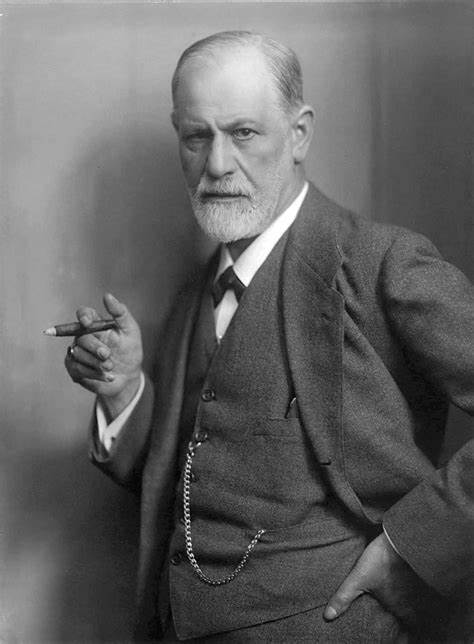
Austrian born Sigmund Freud (1856-1939) is remembered as the father of psychoanalysis. At many levels Freud was a success, but he never enjoyed his success because he was so negative. Let me give you one example. In 1918, he wrote, “I have found very little good in human beings as a whole. In my experience most of them are trash.” Some say he was negative because he was in constant pain from jaw cancer caused by his cigar smoking. Some say his negativity was caused by his atheism. Perhaps it was a combination of the two. However, one point is clear. Hardships have a way of exposing our spiritual maturity. It is not just true of Freud; it is true of everyone. That takes us to our scripture reading, 1 Kings 17:18-24.
The story is a conversion between the prophet Elijah and a grieving woman. Elijah is considered the greatest prophet in the Old Testament, known for his many miracles. The woman was another faceless victim. Hardship seemed to be her best friend. She struggled with her son’s death, because she believed in the unwritten rule that children should outlive their parents. In her story, that simply did not happen. His death is painful for two reasons. First, the boy reminded her of the past and those were happier days. Perhaps, her son had his father’s smile or laugh. Perhaps, her son gave her the strength she needed to survive her husband’s death or an excuse to keep living. He was a reminder of happier times. The joy she felt at her son’s birth was now balanced out by the pain of his death. Second, the boy was her future security. She lived in sexist times; women were not permitted to own property. Without her son she would just become another beggar. His death filled her future with countless questions. It is safe to say, his death hit her hard.
She did what many faithless people do when hardship arrives. She lashed out at God. Verse 18 quotes the grieving widow, “What do you have against me, man of God? Did you come to remind me of my sin and kill my son?” How many people do you know blame God when troubles come their way? However, this is a resurrection story. Elijah did what people of faith do during hardship – they turn to God. He takes the boy’s lifeless body and retreats to a quiet place. Elijah turned to God and in the end the boy is resurrected. According to the text, verse 20, he cried out to God and God heard him. The boy was resurrected and returned to his mother. The story of the grieving mother resonates with many because everyone faces problems.
During my time in the ministry, I made pastoral care a priority. Every afternoon I would visit someone who was facing hardship. Sometimes I would visit the hospitalized. Someone was always dealing with cancer, recovering from a stroke, or fighting an infection. Sometimes I would visit shut-ins. Television sets were their only link to the outside world. Sometimes I would visit the institutionalized. The nursing home staff would call them sweetie and honey, but they were just another resident. I feared no one really cared. Honestly, I fear I will spend my last days in this world in one of those places. In all my visits no one expected me to solve their problems. The only thing that mattered to them was that I cared, and that I would pray with them. I never disappointed them, because, like the grieving mother, they needed God. Every visit I made reminded me I had a good life. The problem is hardships are waiting for all of us. The only question is, how will we respond?
Years ago, Dr. Raymond Edman wrote a little book called In Quietness and Confidence. He says every time a Christian faces hardship we must do two things. First, we must face the problem head-on. Second, we must remember four clear statements. These are the statements:
I am here by God’s appointment. In other words, God wants you in that situation for some reason. That statement is important because it reminds us that God has not forgotten us. In our story, the widow’s son died so the power of God could be demonstrated. I cannot promise you a resurrection, but I can guarantee you that God has not forgotten you.
I am in God’s keeping. In other words, God will care for your needs. I didn’t say extravagant living; I said basic needs. In 1 Kings 17:4-6, Elijah drank from the brook and existed on sandwiches. During my time in the ministry, no church member ever died of starvation. God cares for our needs.
I am under God’s training. In other words, God has a plan for your life. Your troubles are molding your heart for something special. What sensitivities have you gained because of your hardships? How have your problems changed you? The lesson of humility is hard to accept.
God will show me the purpose in God’s time. I would like to say the purpose of your suffering will be revealed in this world, but I don’t want to lie to you. When I get to heaven, I have a great list of questions for God and so do you. In God’s time we will get our answers.
Don’t let your problems just be a problem. Accept the fact that your problems are an opportunity to witness your faith. Non-believers, like the widow, blame God and others. Believers turn to God. Let me end with this story.
In 1985, Bruce Goodrich (1967-1985) was training to be a cadet at Texas A&M University. One day, Bruce and the others were expected to run until they dropped. It seemed like an innocent hazing prank. The problem was, Bruce did, but he never got up. He died from heat stroke; he died before he went to his first class. Shortly after his funeral, Bruce’s father wrote a letter to the university. What kind of letter would you write if your child had just died in a senseless way? This is what Bruce’s father wrote:
I would like to thank the university for the kindness you showed my family during our time of need. I am pleased Bruce had a Christian witness on the campus. While we may not understand the events of the past few weeks, we know God does. God does not make mistakes. We know that Jesus is caring for Bruce now.
Can you question that father’s faith? Hardships have a way of stimulating our witness. They reveal our spiritual maturity. The faithless widow looked for someone to blame. The faithful prophet turned to God. What are you going to do next time hardship visits your house? Perhaps, Psalm 46:1 says it best, God is our refuge and strength, a very present help in trouble.”
Billy Graham (1918-2018) was born in Charlotte, North Carolina. He became famous for his evangelistic crusades. I heard him preach in Cleveland, Ohio in the 1990’s. Southern Baptist to the core, his message resonated with many Americans. He said it countless times: we are saved by grace and by grace alone. You must accept Jesus as your Lord and Savior and live a life that is completely committed to him. When he died on February 22, 2018, those who were closest to him reported, he was prepared for his own death. He told his son, Franklin Graham (born 1952), “Someday you are going to hear I am dead. Don’t believe it. I will be more alive than ever before.” Billy Graham understood the importance of the resurrection of Jesus, and he knew why it was important. I hope you do too. Your belief in the resurrection is not just important, it is indispensable! That leads us to the Bible.
For the last ten years in my ministry, I went to a local cemetery to observe Good Friday. It was not a well-attended service, but it was the right thing to do. I wanted to drive home the point that Jesus died. How can you have a resurrection without a death? You know the story. Matthew 27:45-50 tells us Jesus died on a Friday at 3:00 in the afternoon. He died Roman style, crucified between two common criminals. In a certain way Jesus was lucky. It was not uncommon for the crucified to die slowly with their corpses thrown into a pile with other victims. Those lifeless bodies would be eaten by buzzards or wild dogs. That was not Jesus’s story. He died relatively quickly, his body was placed into a new tomb, purchased by Joseph of Arimathea. A large stone was rolled in front of the entrance to protect it from thieves and to trap the odor of his decaying body. The Roman government was persuaded by Jesus’s enemies to place guards in front of the tomb to eliminate any future problems. This was all done by dark on Friday, because the law prohibited any burials on the Sabbath. Saturday must have been a long day for those who loved Jesus. Disappointed, they were full of questions. After all, Jesus was dead.
That takes us to our primary reading, Matthew 28:1-10. According to the text, it is early on Sunday morning. Two women both named Mary visit Jesus’s tomb. According to Mark 16:1, they went to anoint Jesus’s body. According to Matthew, four unusual things happen during their visit. First, there was an earthquake. Only Matthew mentions the earthquake, it tells us God had done something special. Second, the giant stone had been rolled away. Third, an angel dressed in white, symbolizing purity, told the women Jesus had been resurrected. Forth, the women experienced the resurrected Jesus themselves. There is a world of difference between hearing about the resurrection of Jesus and experiencing the resurrected Jesus.
They tell me in the Greek Orthodox tradition, many people tell jokes on Easter because God played the greatest practical joke on Satan. It looked like Satan had won. Jesus was dead, and Satan must have celebrated all day on that Silent Saturday, but Sunday was coming. On Sunday, God resurrects his one and only son, Jesus. The resurrection of Jesus is Christianity’s cornerstone. I Corinthians 15:14 says, “If Christ has not been raised, our preaching is useless and so is your faith.” But Christ has been raised from the dead, so our preaching is useful and so is our faith. According to Campus Crusade for Christ, now Cru, the resurrection did four things.
1. The resurrection proved that Jesus was divine. His death did not prove anything. In time, everyone dies. Jesus died. However, Jesus’s bodily resurrection proved he was divine. Roman 1:4 says, “and who through the Spirit of holiness was appointed the Son of God in power by his resurrection from the dead: Jesus Christ our Lord.”
2. The resurrection proved Christ’s power to forgive sins. The resurrection broke the bond sin holds on us. Without the resurrection, we are bound to sin. With the resurrection, we are liberated from sin. 1 Corinthians 15:17 says, “And if Christ has not been raised, your faith is futile; you are still in your sins.”
3. The resurrection reveals Christ’s power over death. Jesus did not just live, die, and live again, just to die again. Jesus is alive still today. Romans 6:9 says, “For we know that since Christ was raised from the dead, he cannot die again; death no longer has mastery over him.” Equally important, death has no hold on us. Through our faith in Jesus, we are going to live for eternity. Ephesians 2:6 says, “And God raised us up with Christ and seated us with him in the heavenly realms in Christ Jesus.”
4. The resurrection defeated God’s enemy. Until the day Jesus walked out of the tomb, Satan fought against God. However, when Jesus came back to life, Satan knew he had lost. Because of the resurrection, Christians should never fear Satan again.
For several years, my wife Kathryn and I went to Washington DC annually. For eighteen years, she was the Director of Protestant Campus Ministry at Youngstown State University. Part of her responsibility was to chaperone international students to our nation’s capital. We took them Arlington National Cemetery, the Lincoln Memorial, the Washington Memorial, the Vietnam War Memorial, the Korean War Memorial, the World War II Memorial, The Holocaust Museum, the White House and the Capital Building. I have fond memories of those trips.
Each trip ended the same way. We visited the National Cathedral. I believe it is the city’s best kept secret. Built by private funds, it is an impressive structure. It took 83 years to complete. The construction began in 1907; the cornerstone was set with President Theodore Roosevelt (1858-1919) in attendance. The construction was completed in 1990, when President George H. W. Bush (1924-2018) was in office. It is a functioning Episcopal Church, full of Christian symbolism.
Our trips occurred during the month of March, so the cathedral was decorated for Lent. Many of the international students were not Christian, so they were curious about the symbolism. One year, I walked through the cathedral with a young woman from Taiwan. Did you know there are over twenty-three million people on that island nation? Approximately one-third are Buddhism. Less than 4% are Christian. Approximately 19% are irreligious, she was one of them. She asked me about the Christian symbolism. I did my best to explain Lent, and I told her about Holy Week, including Jesus’s death on Good Friday and his resurrection on Easter. I said everyone who knows Jesus as their Lord and Savior is going to heaven. She responded by saying, “He must love you very much. He must offer you great comfort.” She could not have been more right. Jesus does love us, and he offers us great comfort. We are resurrection people! American businessman Joseph Wirthlin (1917-2008) said, “The resurrection is at the core of our beliefs as Christians. Without it, our faith is meaningless.” The resurrection is Christianity’s cornerstone.
Our reading is Matthew 21:1-11, the traditional scripture for Palm Sunday. To the regular worshipper, the story and background are familiar. According to the text, a great crowd had gathered in the city of Jerusalem. It was time for Passover, a time for people to do three things. First, they made their annual animal sacrifice at the temple. Second, they paid their annual taxes to the government. Third, it was time to reconnect with family and friends, like Thanksgiving or Christmas in America. It is for that reason everyone wanted to be in Jerusalem for the Passover. The law required people to attend, but no legislation was necessary. Everyone wanted to be in Jerusalem for the Passover. It has been estimated that the population of Jerusalem swelled to 2,500,000 and on the lips of everyone was the name Jesus.
Each one of the Gospel writers emphasizes the size of the crowd. Matthew calls it a very large crowd (Matthew 21:8). Mark says many people spread their cloaks on the road, while others cut palm branches from nearby fields. Some people followed Jesus; some people ran ahead of Jesus (Mark 11:8-9). Luke says the crowd was so great the religious leaders encouraged Jesus to rebuke them (Luke 19:39). John tells us a great crowd gathered for the festival (John 12:12). All the Gospel writers tell us the crowd cheered for Jesus when he entered Jerusalem. You can’t question the fact that the crowd was large. However, you can question the commitment of the crowd. The massive cheering crowd on Palm Sunday was replaced with the tears of the few on Good Friday.
The massive Palm Sunday crowd disappeared. They simply didn’t understand Jesus’s mission. Some in the crowd cheered for Jesus because he was popular. Everyone was talking about Jesus, and they didn’t want to be left out. Still today, many like being near a celebrity. Some cheered for Jesus for political reasons. They had grown tired of foreign domination and longed for Jesus to lead a revolution against the Romans. If Jesus would use his power and charisma for their cause, then independence was possible. Some cheered for Jesus for personal reasons. They were sick, or a loved one was sick, and they hope Jesus had a healing saved up for them. They cheered for Jesus to get his attention, so he would have pity on them. In the end, each group was disappointed, because they simply didn’t understand Jesus’s mission. They were more interested in their personal agenda than Jesus’s divine mission.
Palm Sunday reminds us “Christ is King.” Jesus came to usher in a new kingdom. Unlike political kingdoms that would come and go, unlike kings and presidents who will be replaced, Jesus’s kingdom will last forever, and he will sit on that throne forever. In the end, Jesus will hold everyone accountable. His kingdom exists beyond this world, because he defeated death itself. Like looking out an airplane window, you must look at the panoramic view of Palm Sunday to see the whole picture. Five times in the Palm Sunday story God tells us that Christ is king. Let me look at each one individually.
John 12:12-13 tells us the crowd cut palm branches, waved them in the air, laid them on the ground, and cheered for Jesus, “Hosanna!” as he rode into the city. The palm branch represented goodness and victory. It was symbolic of final victory. Jesus would soon defeat death. 1 Corinthians 15:55 says, “O Death, where is your victory? Where is your sting?”
According to Bible, Jesus rode into Jerusalem on a donkey. The donkey symbolized peace, so the one riding the donkey came with peaceful intentions. Jesus called himself the Prince of Peace. When Jesus rode the donkey, he fulfilled the Old Testament prophecy in Zechariah 9:9, Rejoice greatly, Daughter Zion! Shout, Daughter Jerusalem! See, your king comes to you, righteous and victorious, lowly and riding on a donkey, on a colt, the foal of a donkey.
When the people cheered “Hosanna” they were hailing Christ as King. The word means “save now,” and though they wanted an earthly king, God offered them an eternal king. Psalm 118:26 says, “Blessed is he who comes in the name of the Lord.”
Luke 19:41-42 says, “As he approached Jerusalem and saw the city, he wept over it, and said, ‘If you, even you, had only known on this day what would bring you peace – but now it is hidden from your eyes.’” Jesus knew what would happen on Palm Sunday. The people who cheered for him on that day would soon reject him. That reality was more than Jesus could handle, so he wept.
Palm Sunday reminds us that the reign of Christ is greater than any man’s mind could conceive or plan. The crowd was preoccupied with the things of this world, but God was concerned with eternity. We are free of death because Christ was the ultimate sacrifice. In John 11:25, Jesus said of himself, “I am the resurrection and the life; he who believes in me will live even if he dies.”
The Palm Sunday story reminds us five times that Christ is King. It is repetitive because God wants us to learn that divine truth.
One of the things my wife Kathryn is doing in retirement is studying Russian. This is nothing new. She has been studying Russian on and off for decades. She finds mastering the Russian language vital in her work with her non-prophet, Project Orphan Outreach. She has a heart for orphans in the former Soviet Union. Russian is spoken in many countries in Eastern Europe. When we travel to Christian Camp Gideon in Estonia in Estonia this summer many will speak Russian.
There is nothing easy about the Russian language. She is working hard to master it. Nightly, as we watch television she studies her homemade Russian flash cards to improve her vocabulary. She can tell you the Russian word for “desk.” She can tell you the Russian word for “dark blue.” She can tell you the Russian word for “mirror, thirty-three and cat.” Under her breath, yet loud enough for me to hear, she repeats her Russian vocabulary words, time and time again. Some would find this practice annoying, but I don’t, because I can only say three Russian words, toast, roast beef and soup. I am proud of her. She tells me daily in perfect Russian, repetition is the mother of learning. When I was in school, I repeated the same information over and over to learn it.
God must believe repetition is the mother of learning too. Five times on Palm Sunday, he reminded us Christ is King. He did so when the crowd waved palm branches. He did so when Jesus rode into Jerusalem on a donkey. He did so when the crowd cheered “Hosanna!” He did so when Jesus cried for the city of Jerusalem. He did so when Jesus told us, “he was the way, the truth and the life.” Pope Benedict XVI (1927-2022) once said, “But Palm Sunday tells us that… it is the cross that is the tree of life.” Don’t forget it. Christ is king!
There came a point in Jesus’s earthly ministry when he was no longer welcomed in the synagogues. With no other option, Jesus began to teach in the open air and began to tell parables. Parables are practical illustrations from daily living. Parables are not fables with a moral lesson. Parables are not analogies, where each character represents a contemporary character. Parables are different, because they illustrate a single divine truth.
Our reading, Matthew 25:31-46, the parable of the sheep and the goats, is a judgement parable. That generation saw the scene regularly. As a shepherd separates the sheep from the goats, so God will separate the righteous from the unrighteous. The righteous will enter heaven, because they responded to human need. They provided food, drinks, companionship, clothing, and medicine to those in need. The unrighteous were sent to hell because they failed to respond to human need. They were preoccupied with their owns needs and desires. The point of the story is clear – Jesus expects us to respond to human need. In the life of the church, we call responding to human need missions. Christian missions is an excellent way of expressing your appreciation to God for saving your soul. My goal in this blog is to help you appreciate the mission work of the church. I will do that by making three statements about mission work. I hope these statements make you think.
This is statement number one. Missions involve interpersonal relationships. Once you learn the name of the person you are helping, everything changes. Once you get involved in their story, missions come to life. Missions is not charity, missions is deeper. There is nothing wrong with collecting food, paper products or warm clothing. There are many people who need them. The problem is, you never get to know the person who will eat that food, use those paper products or wear that scarf. Charity is fine, but the needy always remain at a distance. Missions involve interpersonal relationships. In my life, I cherish the relationships I have made while helping someone in need. They changed my life while I was helping them. I think and pray for them regularly. If you want to thank Jesus, get involved in someone else’s story. Missions involve interpersonal relationships.
This is statement number two. Missions expose a person’s spiritual maturity. Spiritual babies only think about themselves. The spiritually mature grow to understand that life is about others. No activity in the life of the church exposes spiritual maturity more than missions. If it is true of people, and it is true of churches. If you show me a church that is not involved in missions, then I will show you a church that is on the way to extinction.
On the day missions take a backseat to everything else, your church will begin to die. If you want your church to close, then frustrate every mission opportunity. It is easy to do. You can justify your opposition based on sound business principles. Others will support you because there are other spiritually immature people. The church was never meant to be a business. The church was meant to be an extension of Christ in the world. When the winds of Pentecost blew, the only thing that mattered to those charter members was Jesus. The only thing that should matter to you is Jesus. The spiritually mature understand when we care for the needy of this world we are really caring for Jesus. When we ignore the needy of this world, we are ignoring Jesus. That is what the Master said in the parable. Missions expose a person’s spiritual maturity.
This is statement number three. Missions involve a certain amount of risk. Can I state the obvious? There are many frightened people within the life of the church. Whenever I have gotten involved in a mission project, well-meaning people try to stop me. When I went to the Philippines, people told me, don’t go! Their government is unstable. When I went to Mexico people told me, don’t go! You could get a disease. When I went to Haiti people told me, don’t go! You could be held hostage. Every time I traveled to the former Soviet Union, some well-meaning person warned me that I could be arrested and interrogated. When I tried to help the poor in my nearby city, people asked me, “Aren’t you afraid to be in the city? Someone seems to be killed every day.”
Yes, missions involve a certain amount of risk. Yes, the government may be unstable. Yes, the food may be bad. Yes, the residents may not like Americans. Yes, you may fall in love with someone in need and get your heart broken. However, this is what experience has taught me: The reward of helping those in need is greater than the risk. There is a world of needy people out there whom God loves. How can you turn your back on them? If you don’t believe God is calling you to go, then don’t go. Stay home. But, if God has called someone else to do something, then don’t discourage them. Encourage and pray for them. Never forget, God is with the person he has called into missions. Missions involve risk.
Ernest Henry Shackelton (1874-1922) was born in Ireland on February 15, 1874. His father wanted him to be a doctor, but he wanted to be a sailor. At the age of sixteen, he joined the merchant marines and saw the world. His greatest desire was to travel to the South Pole. In December of 1914, he got that opportunity. He was the captain of a ship called Endurance, which had a crew of twenty-seven men. For years, I read about an advertisement he ran to recruit his crew. This is the fictitious ad:
Men wanted for hazardous journey. Small wages. Bitter cold. Long months of complete darkness. Constant danger. Safe return doubtful. Honor and recognition in case of success.
The story ends by saying Shackleton could not take all the men that responded to that ad. I was saddened to learn several years ago that story is not true. I wanted that story to be true, because I longed for an adventure. I didn’t just want to live and die. I wanted to make a difference. I am not alone. Many long for an adventure and to make a difference.
I believe you long for an adventure and want to make a difference in this world too. I believe you are desperate to find a way to thank God for saving your soul. The world is filled with people who are in need. How are you going to respond? Pastor of the Saddleback Church in California Rick Warren (born 1954) once said, “The only way to serve God is to serve other people.” Never give up on missions!
Historically, Americans have always had an appreciation of the Bible. It is not just limited to one place or generation. Consider these quotes with me:
George Washington (1732-1799) once said, “It is impossible to rightly govern a nation without God and the Bible.”
Patrick Henry (1736-1799) once said, “The Bible is worth all the other books that have ever been printed.”
U.S. Grant (1822-1885) once said, “Hold fast to the Bible as the sheet-anchor of your liberties. Write its precepts in your hearts and practice them in your lives.”
Robert E. Lee (1807-1870) once said, “In all my perplexities and distresses, the Bible has never failed to give me light and strength.”
Theodore Roosevelt (1858-1919) once said, “A thorough knowledge of the Bible is wort h more than a college education.”
Those quotes are impressive. Do you believe America still values the Bible? That question takes us to our scripture reading, Acts 8:26-31.
The main character in the story is the apostle, Philip. He is instructed by an angel to go to the road that runs between Gaza and Jerusalem. The distance between those two locations is fifty miles. Somewhere on that road he finds a unique traveler, an Ethiopian eunuch. We know two things about him. First, we know his nationality. He was from Ethiopia. In those days, Ethiopia was considered the upper Nile region. Second, we know his occupation. He was the treasurer of the queen of Ethiopia, Candace. He was a eunuch because he worked with the queen and fornication will not be tolerated. He has a wonderful job, but his personal life was lacking. Confused, he sat on the side of the road studying the Old Testament. His life is filled with questions, and he wants some answers.
This is where the text begins to speak to us. The Ethiopian is reading the scriptures, but he does not understand the scriptures. It is one thing to read the words. It is another thing to understand the words. When was the last time you played the part of the Ethiopian? When was the last time you read the Bible, but you didn’t completely understand the words?
I will be the first one to admit it: the Bible is complex. Only fools think the Bible is simple. Just think about it for a moment. There are sixty-six books in the Bible: thirty-nine in the Old Testament and twenty-seven in the New Testament. Have you ever read the Bible cover to cover? Have you ever stopped to consider how many kinds of literature are found in the Bible? Have you ever stopped to consider the age of the Bible? Have you ever studied the original languages of the Bible – Hebrew and Greek – to expose some hidden meaning? Have you ever considered how much time passed between the oldest words in the Bible and the newest words in the Bible? Have you ever stopped to consider how much time has passed since the Bible was completed? Everyone agrees the Bible is complex; no wonder the Ethiopian Eunuch needed some help. However, the complexity of the Bible is not an excuse for not reading it. Reading the Bible is vital to your spiritual maturity. Let me give you two reasons why.
First, the Bible is practical. Ronald Reagan (1911-2004) once said, “Within the covers of the Bible are all the answers for all the problems man faces.” The Bible addresses a wide variety of practical topics. How would your life improve if you applied these Biblical models to your daily life? How many of the problems would not exist if you would have followed the Biblical model from the very beginning? Are all your relationships healthy? Are your finances strong? Are you still worried about your salvation? The Bible covers these things because the Bible is practical. The Bible can help you with the biggest problems you are facing today! The Bible is practical!
Second, the Bible is eternal. The piece of scripture the Ethiopian is trying to understand is found in Isaiah 53, the suffering servant passage. Approximately 700 years before the birth of Christ, Isaiah talked about Jesus. The great reformer Martin Luther (1483-1546) once said, “The Bible is the cradle wherein Christ is laid.” Luther understood the real meaning of the Bible. The Bible is all about Jesus, our only hope of salvation. The Bible is eternal!
The whole situation is sad. Our national Biblical illiteracy rate is at an all-time high. The Lifeway Research Group reported in 2017, 85% of all Americans own a Bible. The average American home possesses 4.4 Bibles. The problem is not possession, the problem is practice. Few are reading them. Only 10% of Americans read their Bible daily, only 25% percent of Americans read their Bibles once a week. 40% of Americans have never read their Bible.
When Jay Leno (born 1950) hosted The Tonight Show, he had a segment called Jay Walking. He would walk through the streets of Hollywood and ask people simple questions. It is amazing what people don’t know. One night he asked three college-age men questions about the Bible. He asked the first young man to name one of the Ten Commandments. He answered, “Freedom of Speech”. Then, he asked the second young man to complete this sentence: “Let the one who is without sin…” He answered, “have the most fun”. Smugly, the third young man laughed at his friends. Leno asked that young man, who in the Bible was swallowed by a great fish? The young man smiled with confidence and answered, “I know this one. It was Pinocchio!” We laugh at those ridiculous answers, but it really isn’t funny. It isn’t just true of the unchurched. It is true of the church too.
In 1989, I was appointed to a United Methodist congregation in Garfield Hts., Ohio.
When I first arrived, I did my best to get to know everyone. I did my best to discover what kind of activities they would support. In the first few months, I took a survey to learn more about them. On the survey were a wide range of questions. One of the questions was: “Do you think this church have a regular Bible study?” 98% of the congregation said, “Yes!” So, I planned a weekly Bible study and decided to use the biggest room in the church. After all, 98% of the people said the church should have a weekly Bible study. On the night I held the first Bible study I learned two things. First, I didn’t need the biggest room in the church. Second, I found out that evening I asked the wrong question. I should have asked, “Would you attend a weekly Bible study?” The survey told me 98% of the congregation said there should be a weekly Bible study, but less than 2% of the congregation came. I didn’t need the biggest room in the church. I could have held my Bible study in a phone booth.
It has been a long time since my unsuccessful weekly Bible study. Do you know what happened to that congregation? It pains me to say it. The church is now closed. That church did not close because the people were bad. That church did not close because the people were lazy. That church did not close because the people were not devoted to their church. That church closed for spiritual reasons. I believe that church was closed, because it was spiritually immature. Having no interest in the Bible is a sign of spiritual immaturity. Why would God lead people to a church that was spiritually compromised? Are you spiritually compromised? Spiritually mature people read the Bible. How often do you read the Bible? Actor Denzel Washington (born 1954) once said, “I read my Bible every day.” How often do you read your Bible? Never give up the Bible!
Scottish evangelist Oswald Chambers (1874-1917) once said, “The Sermon on the Mount is a statement of the life we will live when the Holy Spirit is getting his way with us.” Jesus is setting the standard high. The Sermon on the Mount is found in the sixth, seventh and eighth chapters of Matthew. There are rich teachings found in these chapters. The Semon on the Mount includes the Beatitudes, and Jesus’s teachings on murder, adultery, divorce, along with his teachings on love, prayer and judging. In these chapters, Jesus teaches us to care for the needy. Standing with these memorable teachings is our reading, Matthew 6:16-18, about fasting. Many have chosen to ignore these words. I am one.
I was an active member of the clergy for 40 years. I served as a youth director in Frankford, Indiana for a year. I was the pastor of a small membership church outside of Danville, Kentucky for three years. Then, I served three United Methodist congregations in the old St. Clairsville District of the East Ohio Annual Conference for two years. I served a church outside of Medina, Ohio for a single year. Then, I served a church in Garfield Heights, Ohio for five years. During my last 28 years I served a church in Canfield, Ohio. That all adds up to 40 years. Conservatively, I have written approximately 2,000 sermons. Do you know how many sermons I have written on fasting? Including today’s blog, one! There is just something wrong with that imbalance. Jesus taught us about fasting, but we have ignored the whole topic. It is not just me. It is true of other preachers too.
My favorite website for “canned” sermon illustrations is called sermonillustrations.com. All the illustrations are arranged alphabetically in order of topic. If you want an illustration about grace, then you look up grace. If you want a sermon illustration about love, then you look up love. If you want an illustration on pickles, then you look up pickles. I thought they had an illustration on every topic, but I was wrong! I looked up an illustration on fasting and I got this response, “No illustrations yet”. I went to the internet highway and “GOOGLED” the question, what percentage of Americans fast? I was given information on the number of Americans who eat fast food.
Do you know of any Christians who fast for spiritual reasons? Through the years, I have met some amazing Christian people. I have known people who haven’t missed worship in decades. They even worship when they are on vacation. I know people who value prayer. I call them prayer warriors. I have known people who have studied the Bible and can quote it by chapter and verse. Just give them a Bible verse, they will quote it. Can you quote Ezekiel 31:9 right now? I have known people who take Holy Communion at home daily and people who won’t take an infant outside until after its baptism. I have known people who have served on all the church committees three times. I have known many people, but I have never known a single Christian who fasts for spiritual reasons. Do you know of anyone who fasts for spiritual reasons? That leads me to another question.
Jesus assumed in our reading people would fast, so why don’t we? Why have so many decided to ignore the spiritual discipline of fasting? I believe there are a couple of reasons. Some don’t fast for medical reasons, and they shouldn’t. If you are pregnant, then you should not fast. If you are a diabetic, then you should not fast. If you have a physical condition that depends on a regular diet, then you should not fast. Some don’t fast because they don’t completely understand the concept of fasting. A fast is not a diet. The goal is not to lose weight so you can look good in your swimsuit this summer. A fast is not a hunger strike where you refuse to eat to get attention for your cause. Many don’t fast because they are preoccupied with food. This is it in a nutshell: Most of us are more infatuated with food than we are with God. I don’t want that to sound harsh or judgmental. I want it to sound observant. How many people do you know who talk easily about food, but they never talk about God? The whole situation is sad.
However, those Christians who do fast say there are spiritual benefits. This is the list:
Fasting will strengthen your prayer life
Fasting will help you find God’s guidance
Fasting will help you grieve
Fasting will help you find divine deliverance or protection
Fasting will help you truly repent
Fasting will humble you before God
Fasting will enhance your sincerity
Fasting will help you overcome temptation
Fasting is not for those who are just curious about God. Fasting is for those who are infatuated with God. Are you just curious about God, or are you infatuated with God? John Wesley (1703-1791) said, “Fasting and prayer make a powerful combination.” The topic of fasting always reminds me of an experience I had years ago.
I decided to try a new program at my church. During that season of Lent, I formed a group called “Lunch with the Pastor”. The idea was simple. We would meet at noon in the fellowship hall and discuss that day’s sermon. I wrote a list of hard-hitting questions to discuss and ordered a sandwich ring. It was a simple straight forward idea. I thought, what can go wrong?
On the first Sunday of Lent, the little group gathered. On paper plates, we ate our sandwiches and chips. We drank out of paper cups. I couldn’t have cared less about the food. I wanted to dig into my hard-hitting questions. Before I could ask my first question, someone asked me a question. It torpedoed the whole group. This was their question: “Russ, what did you pay for the sandwich ring?” I didn’t remember. It was somewhere between a dollar and a million dollars. It didn’t matter, because I paid for it. She said, “I’ll cook lunch next week. I can serve this group for a fraction of the cost.” That grabbed everyone’s attention because everyone knows the purpose of the church is to save money and eat. She went on to tell us in detail everything she could cook and save money. I don’t think we covered a single question that day. We spent the whole time talking about food. The next week, I thought, this week will be better. I was wrong! When the time came, she provided lunch, and the food was cheaper and better. Someone else in the group announced they would cook the next week and then we had another fascinating discussion about cooking. On the third week, I gave up. My sermon discussion group with my outstanding hard-hitting questions turned into a recipe exchange club. We never met again, and no one ever missed it. I never tried such a group again. I just can’t compete with food. Can I state the obvious? Food is a good thing! However, there is something better: God! It’s a fair question: Are you more infatuated with food, or with God?
In the Bible, Moses, King David, Elijah, Queen Esther, Daniel, Anna the prophetess, the Apostle Paul and Jesus Christ all fasted for one reason. Each one was infatuated with God. Are you infatuated with God? Or are you more interested in food? Fasting is giving up something good to experience something better. There is nothing better than God. Never give up fasting!








 Russ Adams