When Hardship Arrives

When Hardship Arrives

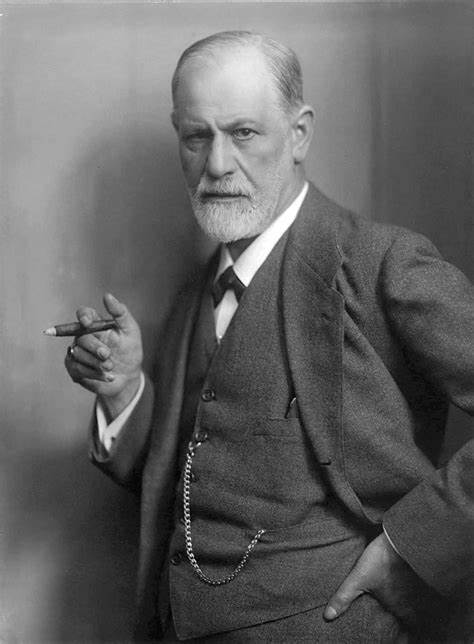
Austrian born Sigmund Freud (1856-1939) is remembered as the father of psychoanalysis. At many levels Freud was a success, but he never enjoyed his success because he was so negative. Let me give you one example. In 1918, he wrote, “I have found very little good in human beings as a whole. In my experience most of them are trash.”  Some say he was negative because he was in constant pain from jaw cancer caused by his cigar smoking. Some say his negativity was caused by his atheism.  Perhaps it was a combination of the two. However, one point is clear. Hardships have a way of exposing our spiritual maturity. It is not just true of Freud; it is true of everyone. That takes us to our scripture reading, 1 Kings 17:18-24.

The story is a conversion between the prophet Elijah and a grieving woman. Elijah is considered the greatest prophet in the Old Testament, known for his many miracles. The woman was another faceless victim. Hardship seemed to be her best friend. She struggled with her son’s death, because she believed in the unwritten rule that children should outlive their parents. In her story, that simply did not happen. His death is painful for two reasons. First, the boy reminded her of the past and those were happier days. Perhaps, her son had his father’s smile or laugh. Perhaps, her son gave her the strength she needed to survive her husband’s death or an excuse to keep living. He was a reminder of happier times. The joy she felt at her son’s birth was now balanced out by the pain of his death. Second, the boy was her future security. She lived in sexist times; women were not permitted to own property. Without her son she would just become another beggar. His death filled her future with countless questions. It is safe to say, his death hit her hard.

She did what many faithless people do when hardship arrives. She lashed out at God. Verse 18 quotes the grieving widow, “What do you have against me, man of God? Did you come to remind me of my sin and kill my son?”  How many people do you know blame God when troubles come their way? However, this is a resurrection story. Elijah did what people of faith do during hardship – they turn to God. He takes the boy’s lifeless body and retreats to a quiet place. Elijah turned to God and in the end the boy is resurrected. According to the text, verse 20, he cried out to God and God heard him. The boy was resurrected and returned to his mother. The story of the grieving mother resonates with many because everyone faces problems.

During my time in the ministry, I made pastoral care a priority. Every afternoon I would visit someone who was facing hardship. Sometimes I would visit the hospitalized. Someone was always dealing with cancer, recovering from a stroke, or fighting an infection. Sometimes I would visit shut-ins. Television sets were their only link to the outside world. Sometimes I would visit the institutionalized. The nursing home staff would call them sweetie and honey, but they were just another resident. I feared no one really cared. Honestly, I fear I will spend my last days in this world in one of those places. In all my visits no one expected me to solve their problems. The only thing that mattered to them was that I cared, and that I would pray with them. I never disappointed them, because, like the grieving mother, they needed God. Every visit I made reminded me I had a good life. The problem is hardships are waiting for all of us. The only question is, how will we respond?

Years ago, Dr. Raymond Edman wrote a little book called In Quietness and Confidence. He says every time a Christian faces hardship we must do two things. First, we must face the problem head-on. Second, we must remember four clear statements. These are the statements:

  1. I am here by God’s appointment. In other words, God wants you in that situation for some reason. That statement is important because it reminds us that God has not forgotten us. In our story, the widow’s son died so the power of God could be demonstrated. I cannot promise you a resurrection, but I can guarantee you that God has not forgotten you.
  • I am in God’s keeping. In other words, God will care for your needs. I didn’t say extravagant living; I said basic needs. In 1 Kings 17:4-6, Elijah drank from the brook and existed on sandwiches. During my time in the ministry, no church member ever died of starvation. God cares for our needs.
  • I am under God’s training. In other words, God has a plan for your life. Your troubles are molding your heart for something special. What sensitivities have you gained because of your hardships? How have your problems changed you? The lesson of humility is hard to accept.
  • God will show me the purpose in God’s time. I would like to say the purpose of your suffering will be revealed in this world, but I don’t want to lie to you. When I get to heaven, I have a great list of questions for God and so do you. In God’s time we will get our answers.

Don’t let your problems just be a problem. Accept the fact that your problems are an opportunity to witness your faith. Non-believers, like the widow, blame God and others. Believers turn to God. Let me end with this story.

In 1985, Bruce Goodrich (1967-1985) was training to be a cadet at Texas A&M University. One day, Bruce and the others were expected to run until they dropped. It seemed like an innocent hazing prank. The problem was, Bruce did, but he never got up. He died from heat stroke; he died before he went to his first class. Shortly after his funeral, Bruce’s father wrote a letter to the university. What kind of letter would you write if your child had just died in a senseless way? This is what Bruce’s father wrote:

I would like to thank the university for the kindness you showed my family during our time of need. I am pleased Bruce had a Christian witness on the campus. While we may not understand the events of the past few weeks, we know God does. God does not make mistakes. We know that Jesus is caring for Bruce now.

Can you question that father’s faith? Hardships have a way of stimulating our witness. They reveal our spiritual maturity. The faithless widow looked for someone to blame. The faithful prophet turned to God. What are you going to do next time hardship visits your house? Perhaps, Psalm 46:1 says it best, God is our refuge and strength, a very present help in trouble.”
Don’t Give Up Worship!

When I first retired, I worshipped in a small membership church. When I say small, I mean small. They averaged about twelve every Sunday. That figure is not really accurate because three of the twelve never attended worship. They escaped into the basement. They said they were preparing for the coffee hour after the benediction. I believe it was their time to visit with their adult daughter for their weekly visit. Can I state the obvious? When you only had twelve and three leave, the congregation grew a little thin. I suppose you could get mad at “the three.” I look at it differently. I felt sorry for “the three” because they are missing the best part of church. They illustrate a simple point. You can go to church and never worship. Have you ever gone to church and never worshipped? That takes us to our scripture, Isaiah 6:1-8.

Years ago, before our country was threatened by a civil war, before Columbus discovered a New World, or a man named Jesus was resurrected, there was a man who spoke on behalf of God. His name meant “The Lord Saves,” but we call him Isaiah. His ministry began about the year 740 B.C., which makes him a contemporary of Amos, Hosea and Micah. Isaiah lived in politically stormy times. The Assyrian Empire was expanding; Israel was declining. Perhaps, that is why Isaiah’s major themes are dark. He spoke about judgment and salvation. However, our reading is not about either. Instead, he talks about the importance of worship. He tells us we won’t experience three things if we don’t worship.

First, if you don’t attend worship, then you won’t experience God! In today’s scripture reading, Isaiah had a vision. In his vision, he experienced God. The first four verses of the text try to explain what he saw when he looked at God. The Lord is seated high and exalted. His robe fills the temple, and He is surrounded by divine creatures. Don’t get lost in the details of the text; look at the text in general terms. Isaiah is experiencing God, and I believe people who attend worship want to experience God too. The goal of every church is to get you to experience God. For once you experience God, everything in your life will change.

That is why Satan doesn’t want you to experience God. He likes you just the way you are. So, he promotes secondary things in the life of the church to a primary position. Have you ever been preoccupied during worship by some secondary thing in the life of the church? The temperature is too low. The sound system is too loud. The usher isn’t wearing a tie. The greeter didn’t know your name. The person next to you is annoying. The tables and chairs need to be set up for the next dinner or fundraiser. I could go on, but you get the point. Satan doesn’t want you to experience God, so he promotes secondary things. You can go to church and never worship. This is the sad truth. Most do not even go to church. According to Gallup Research, only 20% of Americans worship weekly, only 41% of Americans worship monthly. That leads us to our second point.

Second, if you don’t worship, then you won’t hear the truth. We go to church to learn about God. Look at the text with me one more time. In Isaiah’s vision, he compares himself to God. The experience is revealing. Isaiah identifies his own imperfections. Verse 5 says, “Woe to me!” I cried. “I am ruined! For I am a man of unclean lips, and I live among a people of unclean lips, and my eyes have seen the King, the LORD Almighty.”  Verses six and seven are key. They tell us something about the very nature of God. God does not strike him down because of his imperfections. God has a solution to his imperfection. A hot coal is placed on his lips and his guilt is taken away. Isaiah learns about God’s loving ways. If he had not experienced God, then his theology would have remained uncorrected. One of the reasons we have a poor national theology is that fewer Americans are worshipping all the time. In church, we learn the truth about God. If you don’t go to worship, then you will learn about God from other unreliable sources.

Augustine of Hippo (354-430) once said, “Our hearts are restless until we find our rest in God.”  Augustine was saying within each person there is a spiritual hunger that must be satisfied. If people no longer go to church, then they will find their spiritual food in other places. Is your theology based on some creation from the entertainment industry, your craze for angels, your local fortune teller, your random acts of kindness, or your personal opinions? In worship you hear the truth. You learn about God and his plan of salvation for the world. How much do you know about God? How much of your personal theology is built on something you found outside of the church? Just because you have a thought or opinion about God does not make you wise or correct. In worship you learn the truth. That takes us to the third point.

Third, if you don’t worship, then you will never discover your purpose. You were born to be more than a consumer. You were created for a purpose. The scripture lesson ends with the famous words of verse 8, “Then I heard the voice of the Lord saying, ‘Whom shall I send? And who will go for us?’ And I said, here am I. Send me!” Isaiah hears something in his vision that we often forget. Life is not about us; life is about others. The world tells us the key to happiness is to make yourself the star of your universe. Worship reminds us that the key to happiness is serving others. Researchers tell us people who serve others live longer, happier lives. Wouldn’t you like to live a longer, happier life? Our world is filled with problems. God expects you to make a positive difference in this world.

When I was young my best friend was named Jimmy. If you know me personally, then you know his last name. He lived five houses up from my family home. Being the same age, we were always in the same class at school. I cannot tell you how many hours we spent together. I never had a brother, but I had something better, Jimmy! He was always fun, and we shared our dreams with one another.

Praying for Yourself

Years ago, before man walked on the moon, before a civil war threatened to divide our country, before Columbus discovered a New World, there was a man who spoke for God. His name means “help” or “helper,” but we simply call him Ezra. He lived during the fifth century B.C. and spoke to the people of Judah, who had returned from exile. His goal was to restore the community. Tradition tells us he wrote First and Second Chronicles in the Old Testament.

Our scripture reading is 1 Chronicles 4:9-10. It is a short prayer hidden in the genealogical text of Judah. The one who uttered that prayer was Jabez, who was an ancestor of the kings of Judah. Jabez means “he makes sorrowful,” because his mother had a hard time at his birth. Yet, his name did not define him. He grew up to be a doctor of the law, who was known for his noble character. In his prayer he asks for the desires of his heart. He asks for God’s protection, and asks for God to increase his wealth. Jabez is praying for himself. God answers his prayer with yes. Perhaps that is why so many are interested in his prayer. We believe in prayer, and we would like God to smile on our requests.

Did you know, according to the City Square Research Group, 85% of Americans say they use some kind of spiritual practice to connect to a higher power?

Did you know 61% of that group pray?

Did you know 50% of prayers pray when they are awakened in the morning?

Did you know 55% of prayers pray at bedtime?

Did you know 61% of prayers pray in their car?

Did you know 46% of prayers pray in their place of worship?

Did you know 87% of prayers believe they have received an answer to their prayers in the past twelve months?

Do you know of anyone who doesn’t believe in prayer?

In 2000, Multnomah Books released a book call The Prayer of Jabez. It was written by David Wilkerson (1931-2011). I remember the uproar over the book. It sold more than nine million copies. The book was popular because many believe in prayer, and everyone wants God to grant them their requests. However, Jabez’s prayer does not hold a secret formula on how to prosper, but it does raise two questions. I want to look at those two questions in this blog. These questions and thoughts are not original. They came from Thomas Tewell (born 1949) of the United Presbyterian Church. This is question number one.

Should you pray for the desires of your heart? Peter the Great (1672-1725) led Russia out of isolation. He introduced the Russian people to Europe. He grew to be a rich and powerful man. In his court there was a philosopher of outstanding ability who had little money, and he asked Peter for financial help. He was told to draw whatever he needed from the imperial treasury. But when the man requested an amount equal to $50,000, he was refused – the treasurer needing to verify that such a large sum was authorized. When he asked Peter, the ruler replied, “Pay the money at once. The philosopher has done me a singular honor. By the largeness of his request, he shows that he has understood both my wealth and generosity.” 

The prayer of Jabez says, “Oh, that you would bless me and enlarge my territory! Let your hand be with me and keep me from harm so that I may be free from pain.” Jabez’s prayer illustrates for us that we should be honest with God. Those were the things he wanted. Those were the greatest dreams of his life. What is your greatest dream in your life? You have the license to share your dreams with God; He wants us to be honest with him. You need to believe in a great big God, who is generous with his blessings. Jabez asked for protection and riches, and he received it. What are the desires of your heart? The answer to every prayer is no until it is asked. Feel free to ask God for the desires of your heart. This is question number two.

What is answered prayer? I will always remember Jean as a big-hearted person. She was a friend of my sister’s. When we were young, she was always at our house. At some level, she was family. As an adult she became a foster parent to children who needed love. She taught home economics in the Youngstown City Schools in Ohio and had a passion for her students. Jean deserved better, but one day the test results came back, and she had cancer. She asked everyone to pray for her and we did. We prayed for her, until the day she died. Even though Jean wasn’t my friend, I felt the loss. On the day she was buried some say God didn’t answer our prayers. They were wrong. Just think about it for a moment.

Many experienced God through Jean’s illness. Her death changed us. We discovered what was important in life. Because of those prayers we rekindled childhood friendships. Because of those prayers she experienced the power of the church. Jean was not a church going person, but the church reached out to her. Because of those prayers, we learned to appreciate every healthy day of our lives. Because of those prayers, we learned to appreciate the people in our lives. Because of those prayers we experienced God.

Answered prayer is not getting what you want. Sometimes God answers our prayers with a “yes.” Sometimes God answers our prayers with a “no.” Sometimes God answers our prayers with a “later” and sometimes with an “are you crazy?” Never forget, prayer is cultivating a friendship with God. Answered prayer is being aligned with God’s will. The great missionary E. Stanley Jones (1884-1973) once said, “Prayer is surrender –surrender to the will of God and cooperation with that will.” Our prayers are answered when we experience God.

Sir George Adam Smith (1856-1942) was a Scottish theologian. He told a story of how he and his guide were climbing the Weisshorn in the Swiss Alps. It was stormy and they were making their climb on the sheltered side of the peak. When they reached the summit, they were filled with exhilaration. Sir George forgot about the fierce winds. He leaped up and was nearly blown over the edge to the glacier below! The guide grabbed hold of him and exclaimed: “On your knees, sir. You are safe here only on your knees!” The same is true of life. We are only safe when we are on our knees. Alfred Lloyd Tennyson (1809-892) said, “Nearer than hands and feet, even than breath, that is how near God is to us when we pray.”

Your Servant Is Listening

Our reading is from I Samuel 3:1-10. The people of Israel have settled back into a lax lifestyle. Their attitude toward God and His vision for them as a nation had become indifferent. Their leader, the high priest, Eli, was old. Unless something happened the reigns of leadership will be passed to his two wicked sons, Hophni and Phinehas. The only bright spot in the whole story is a boy named Samuel. His name means “asked of God.” He had been entrusted to Eli a decade earlier by his mother, Hannah. In time the tables turned, it is Samuel who now cares for the old man’s needs. Surprisingly, God speaks to Samuel and breaks the silence. Here is an interesting question.

Why did God speak to Samuel? Why didn’t God speak to the old priest, Eli? Why didn’t God speak to Eli’s sons who were in the prime of their lives? Perhaps a better question is, why doesn’t God speak to us? For years, I would utter the same prayer before I would preach. “Dear Father, we have grown weary of human voices and human opinions. Father, what we really want is a word from you.” Why is a word from the Lord so rare? In this blog, I want to look at three qualities Samuel had in his life that made him attractive to God. They take the form of three words. Perhaps God isn’t speaking to our society because we lack these qualities.

The first word is the word others. God speaks to those people who are concerned about other people. God is frustrated with people who live for themselves. It is hard to see God when your eyes are fixed on yourself. Samuel illustrates that fact for us. Why did Samuel assume the voice of God he heard was Eli? There are two reasons. First, this was the first time God had spoken to him and he did not know God’s voice. Second, a large part of Samuel’s life was caring for the aging Eli. He didn’t just live for himself, he lived for someone else, Eli, and he heard a word from the Lord.

I am proud of many things I did in the ministry. One of those things is sending youth on an annual mission trip. The camps were sponsored by a youth organization called Group. The goal was to help people in need and to help young people experience Jesus. We did it for over twenty years at Western Reserve. Twice we co-hosted a camp within a few miles from our church building in Youngstown, Ohio. Those trips were life-changing for everyone involved.

Every year I would be at the church when the youth returned from a trip. The scene was always the same. They would get out of the vans and act like they were returning from war – they were limping and tired. However, something special always happened, they would tell me about the week. They told me about the funny things that happened. They would tell me how hard they worked. They would tell me about the people they met in their small work group from around the country. They would tell me about the people they helped – the poor widow, the young mother with cancer, the crippled veteran. All the residences they worked on were considered substandard housing. They would tell those stories with a smile, and end by saying, “you should have been there!” Those stories were not unique to just the youth, it is true of everyone who gets involved in missions. It is the same for all the mission trips – local, regional, national and international.  There is something about walking in some else’s shoes that changes you. When you get your ears off the details of your life, it changes you. How much time do you spend worrying about yourself and your loved ones? How much time do you spend worrying about a stranger? Maybe that is why a word from the Lord is so rare? God speaks to us when we are concerned with someone else’s needs. Samuel was concerned about Eli. The first word is others.

The second word is the word opportunity. God speaks to people who put themselves in position to hear Him. Samuel positioned himself to hear God. Do you remember the story? God spoke to Samuel three times before Eli discerned God’s voice. The old priest instructed the boy to go back to bed and wait on the Lord. If the Lord speaks again then say, “Speak, Lord, for your servant is listening.”  In other words, Samuel positioned himself to receive God’s word. When was the last time you positioned yourself for a word from the Lord?

We live busy, fast-paced lives. According to the U. S. Bureau of Labor Statistics, the average American spends 9.8 hours a day sleeping, 5.15 hours a day in leisure, 3.56 hours a day working, and 1.92 hours a day on household activities. That comes to a total of 20.43 hours each day. What are you going to do with the rest of your day? How many of the remaining 3.57 hours each day are you planning on spending with God? It is not an easy question to answer. I am convinced we make time for the things that are important to us. How important is God to you? How much time are you planning on spending with God? Samuel positioned himself to listen to God. Are you positioning yourself to hear God? Are you giving God an opportunity to speak to you? The second word is opportunity.

The third word is the word obedient. Maybe the word should be disobedient? Let me say this clearly – God does speak to us! One of the ways is through the Bible. That is why the Bible is so wonderful. The Bible is filled with God’s word and contains wonderful models for holy living. The problem is the way we view the Bible. Most people read the Bible like they are at a garage sale. They select only the parts that are pleasing to them and reject the rest. Samuel said in verse ten, “Speak your servant is listening.” In other words, Samuel was open to God’s word and God’s leading. God’s vision for him became a priority in his life. Can the same thing be said about you?

There is an old preaching story about a church that received a pastor. On his first Sunday, the congregation gathered excitedly and expectantly. Everyone was suitably impressed afterward. “My, how well he spoke” remarked one. “A superb sermon to be sure. If he keeps this up, we’re in for a treat” remarked another. Keep it up the new pastor did. For the following week he preached the same sermon. The people were puzzled, but generously surmised that it had probably been too busy a week to prepare a new sermon, with moving into a new house and meeting all the people. Yet he preached the original sermon the following week as well, and the week after that. The people were very concerned, and the church leadership decided it was time to confront their new pastor. They met him after the service and asked whether he had any other sermons or whether he planned to preach the same one for his entire ministry.” I certainly hope not,” said the pastor. “I plan on preaching a new sermon, once you put the first one into practice.”

All the spiritual disciplines mean nothing if we are not open to God’s word for us. Preaching and Bible study mean nothing as long as our opinions are more important than God’s word. Preaching and Bible study are not entertainment, they are God’s word to you. Do you really care what God has to say to you? Scottish theologian and preacher Peter T. Forsythe (1848-1921) was right when he said, “The first duty of every soul is to find not its freedom but its Master”. Why is a word from the Lord so rare? Perhaps, one of the reasons is we really don’t care what God has to say? The first word was others. The second word is opportunity. The third world is obedience. I end with this story.

Our 32nd President, Franklin Roosevelt (1882-1945), often endured long receiving lines at the White House. He complained that no one really paid any attention to what was said. One day, during a reception, he decided to try an experiment. To each person who passed down the line and shook his hand, he murmured, “I murdered my grandmother this morning.” The guests responded with phrases like, “Marvelous! Keep up the good work! We are proud of you! God bless you, sir!” It was not until the end of the line, while greeting the ambassador from Bolivia, that his words were truly heard. Nonplussed, the ambassador leaned over and whispered, “I’m sure she had it coming.” 30th President Calvin Coolidge (1872-1933) once said, No man ever listened himself out of a job.

Listening to other people is a complex topic. Sometimes we don’t listen because we don’t hear. The Food and Drug Agency, tells us approximately 28.8 million Americans would benefit from wearing hearing aids. Sometimes we don’t hear what is being said because we are preoccupied. I am in this category. You can talk to me, and I don’t hear a word, because I am thinking about something else. Sometimes we don’t hear because we are guilty of selective hearing. That is when we hear what is being said, but we refuse to accept it. Like when your doctor tells you at your annual physical to diet and exercise. You hear the words but dismiss them. Listening to other people is a complex topic.

Listening to God is even more complex. Samuel knew how to listen. He heard God because, he was more concerned with others than himself. He heard God because he gave God an opportunity to speak to him. He heard God and was open to God’s leading. God is speaking to you. Are you listening?

Lost in New York

Many years ago, before man walked on the moon, before a civil war threatened to divide America, before Columbus discovered a New World, there was a man who spoke for God. His name meant “Comforter,” but we call him Nahum. His exact location is unknown, but we do know he spoke to the people of Judah prior to the year 612 BC. The ones receiving these words were the people of Nineveh. Yes, it was the same Nineveh God sent Jonah to one hundred years earlier, the capital of the Assyrian Empire, known for her cruelty, idolatry, and wickedness. The Assyrian Empire covered parts of present-day Iran, Iraq, and Turkey. This time, they were guilty of backsliding. They had repented for Jonah, but they had returned to their old ways. God has had enough and now they must pay for their sins. Those are not just empty words. History tells us the great city of Nineveh was destroyed by a devastating fire in the year 612 BC. Nahum’s brief book, only three chapters long, reminds us sin must be taken seriously. It is as true today as it was in Nahum’s time. 

According to Webster, sin is an immoral act against divine law. We should take sin seriously because our sins damage our relationship with God. While we are not known for our cruelty, idolatry, and wickedness, we are all guilty of sinning. It is no secret. We know we are sinners and God knows we are sinners The Apostle Paul knew we would be sinners. He wrote in Roman 3:23, “All have sinned and have fallen short of the glory of God.” Everyone is guilty of sinning. That means we are more like the Ninevites than we care to admit.  

James W. Moore (1938-2019) was the pastor of the 7,500 member St. Luke United Methodist Church in Houston, Texas from 1984-2006.  He received his Master of Divinity degree from the Methodist Theological School in Delaware, Ohio. Through the years he wrote many books, which are nothing more than his printed sermons. I own several of those books. One of those books is entitled Yes, Lord, I Have Sinned, But I Have Several Excellent Excuses. In that book, he tells us our sins originate in four sources. Three of those ways are found in two parables in the fifteen chapter of Luke. 

Sometimes, we sin by being led astray. That is what happened in the parable of the lost coin. In that parable a coin is lost. That coin equaled a day’s wages. That means it is worth finding. The coin did not grow legs and walk away. The coin was lost because someone misplaced it. That is what happens with people. Some sin because of the influence another has on them. Parents know it is true. That is why we evaluate our children’s friends. That is why we want our children to participate in wholesome activities. Parents fear their young will be influenced by others and get into trouble. God fears we will be led astray by others too. Can I ask you a question? Who are the most influential people in your life? Sometimes we sin by being led astray.  

Sometimes, we sin by running away. That is what happened in the story of the prodigal son. He could not wait for his father to die, so he went to his father for his share of the inheritance. He took his cash and ran. For a short time, he lived life in the fast lane. Then, he discovered what everyone knows – life is expensive. In a short time, he is struggling to survive. Then, as the Bible says, he came to his senses and returned to his father asking for a job. You can call it selfishness. Those are the sins we commit when we think the world revolves around us. Those are the sins we commit because we think we are God’s gift to the world. Can I ask you a question? Do the people in your life consider you selfish? Sometimes, we sin by running away because we are selfish. 

Sometimes, we sin because of resentment. The parable of the prodigal son reveals two origins of sin. The first is selfishness. The second is resentment. It is found in the older son who stayed home. While his little brother was out living the wild life, the older son stayed at home. He got up early daily and went to work. You can call him responsible, but he felt foolish. He dreamed of the wild things he was missing. At first, he must have admired his brother, but in the end, he resented his little brother. It is no fun working when others are having fun. Many believe this is the greatest sin in the life of the church today. It is no fun doing church work when so many have forgotten the church. Can I ask you a question? Who do you resent? Sometimes, we sin because of resentment. 

Sometimes we sin by wandering off. That was the story of the Ninevites. One hundred years earlier, God’s reluctant prophet, Jonah, arrived and told them they must repent. The people heard his word and responded. They started acting like God wanted them to act. They became more loving. They became less judgmental. They became more accepting. They promised they would never return to their cruel, idolatrous, and wicked ways. However, as the emotion wore off, they began to backslide. Before long they were known once again for their cruelty, idolatry, and wickedness. The Ninevites are not much different from us. We know what God wants us to do but we refuse to do it. Can I ask you these questions? How far have you wandered away from God? Are you the person God intended at the very beginning?Has the excitement of that mountaintop experience started to fade away and you find yourself falling into your old routine? Sometimes, we sin because we wander off. I hope that is not your story. Nahum reminds us there is a price to pay for sinning. However, this is the good news for today.  

Nahum lived in Old Testament times, and we live in New Testament times. The great city of Nineveh was destroyed by a fire; that was their punishment for sinning; they got what they deserved. That was the Old Testament way. We deserve to be punished for our sins, but it will never happen, because we live in New Testament times. Every Sunday school child knows Jesus died on the cross for our sins. His death was not pretty because our sins are not pretty. Yet, his death handled the sin problem. How you respond to Jesus’s death is extremely important. Is it just a passing thought or is it a life changing experience? It has been said, “God’s grace is not an excuse to sin, but rather a reason to love and serve him more fully.”

The address was 202 Midwood Street. That was my grandparents’ address in Brooklyn, New York, and the address of the home where my mother was raised. We visited it annually. As a child, I remember it as a massive place. It included an outer sitting room with a player piano, an inner living room with a modest television set, dining room and a tiny kitchen. Upstairs, there were three bedrooms and a full bath with a skylight. It seemed massive to me as a child. Recently, I researched that massive home. It was constructed in 1901 and is 1,800 square feet. The market value of that 1,800 square foot home in Brooklyn today is $2 million. It is hard to compare property values in Brooklyn, New York with northeastern Ohio. Externally, the house was not original. My mother called it a “Brown Stone.” The entire neighborhood was filled with them and each one was identical. Each one was constructed from a tan stone, a flat roof, a bay window, and a flight of stairs leading up to the front door. The only thing that changed about each dwelling was the address. My grandparents lived at 202 Midwood Street. I will never forget that address because of an event that happened to me one day on one of my family’s visits to Brooklyn. 

I was not very old. I must have been six or seven. My grandparents wanted to entertain me, so they borrowed a bicycle from a neighbor for me to ride during the visit.  The problem was there are very few places a child can ride a bicycle in the middle of Brooklyn. My only option was to ride up and down Midwood Street. I am confident my parents told me to be careful and I am confident they told me my grandparent’s address, 202 Midwood Street, because all the houses looked the same. The problem was I did not listen to them. I was more interested in trying out the bicycle. When I jumped on the bike and began to peddle, within a few seconds I was lost in the adventure of the ride. I picked up speed fast and I imagined being in all kinds of exciting places. I was having a great time! When I snapped back to reality, I discovered the truth – I was lost in New York. All the homes were identical, and I did not know which one belonged to my grandparents. I could not remember my grandparents’ address, 202 Midwood Street. Emotionally, I went from the highest mountain to the lowest valley. Fear began to flood through me. I thought I would never see my family again. How would I survive on the streets of New York alone? There was only one option, I began to cry. I know that is hard to believe because I am so manly today. I promised myself that I would never ride a bicycle again and I prayed for God to help me. 

God heard my prayer. My savior came to rescue me. In that emotional moment I heard comforting words – it was my mother, who had been watching me from the window the whole time. I do not remember her exact words, but I do remember the relief I felt. My mother took me by the hand, wiped my tears, and led me home. I took one last look at that horrible bicycle and walked inside. I was safe and sound. I am confident I was extra good the rest of that trip. Can I ask you another question? When was the last time you were lost? 

It is not just a story about a small boy lost in a big city. It is the story of the Christian faith, itself. We are lost in sin. Everyone does it and it comes in many forms, each one damaging our relationship with God. We deserve what the people of Nineveh got, punishment. But our punishment never comes because our Savior came 2,000 years ago. His name is Jesus. Grace is a wonderful thing. How do you respond to God’s grace? It has been said, “God’s grace is not an excuse to sin, but rather a reason to love and serve him more fully.”