Born Again

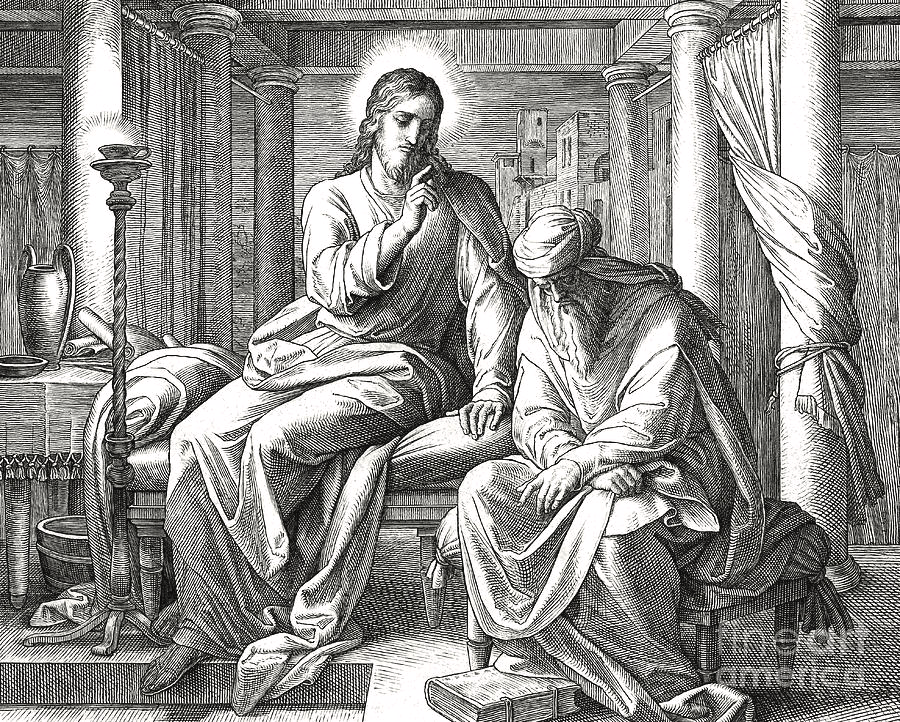
Our reading is John 3:1-15. The story is nothing more than a private discussion between Jesus and Nicodemus. Everyone knows Jesus, no additional information is needed. Some know Nicodemus. According to the second half of verse one, he was a member of the Jewish ruling council. That means he had climbed to the top of his profession. It is safe to say Nicodemus spent his days answering the questions of others. This story is unique because he is the one with the questions.

According to verse two, Nicodemus went to Jesus at night. Much has been made about that fact. Some say he went at night to hide his identity. How would it look for a trusted member of the clergy to go to Jesus, a man with no credentials? Others say Nicodemus went at night so the two would have time to talk. The business of the day was done. Regardless, Nicodemus went to Jesus because he was impressed by the Master. No ordinary man could have performed such miracles; he must come from God. Jesus hears through these kind words and knows the real topic – salvation! Jesus says in verse three, no one can enter the kingdom of God unless they are born again. Two thousand years later, the world is still wrestling with those words, so we should not be surprised that Nicodemus wrestled with them that night. He thinks Jesus is speaking of physical birth, reentering your mother’s womb. Jesus is speaking of spiritual birth. The two are as different as night and day. From the moment you were physically born, you struggled to survive. The goal of life is survival, so the most important person in your universe is you. Spiritual rebirth is different. From the moment you are reborn, the most important person is God. Spiritually immature people live for themselves; spiritually mature people live for God. Which is more important to you? Are you the center of your universe, or is God the center of your universe? To help you discover the center of your universe, let me ask you three questions. This is question number one.

First, how do you spend your time? One of the great stories in the Bible is the story of Mary and Martha, Luke 10:38-42. Mary and Martha were sisters of Lazarus, the one who Jesus had resurrected. Jesus stopped at their home in Bethany on his way to Jerusalem. Bethany was only two miles from Jerusalem. When Jesus arrived, Mary sat at Jesus’s feet, absorbing every word. Martha, on the other hand, was consumed by the traditional female duties. It is a story about priorities. In time, Martha resents doing all the work and goes to Jesus to enlist some help. Martha filled her time doing good things; Mary filled her time with the best thing in life, Jesus. How do you fill your time?

Are you spending your time in a way that is pleasing to God? Are you going to fill your life with good things: work, family, friends and entertainment? Are you going to fill your life with the best thing: Jesus? This is a more pointed question – how much time do you spend with God? Are you the center of your universe? Is God in the center of your universe? This is question number two.

Second, how do you spend your money? Studies tell us that one of the reasons people don’t attend church is money. To be more exact, people do not want to go to church and to be asked to give money. The problem is Jesus spoke more about money than any other topic. That is quite a statement. That means Jesus spoke more about money than he did love, forgiveness, grace, or salvation. In my time in the ministry, I was never afraid to talk about money, it is just so practical. If Jesus spoke about money, then I had the license to do the same. Monthly, in my sermons, money came up in one form or another. Annually, I covered the same points during the stewardship drive. First, money is important. If you don’t believe me, then try to live without it. Second, money is limited. It was reported recently that Amazon’s Jeff Bezos (born 1964) is worth approximately $250 billion. Even his fortune has limits. You have limits too. Third, because money is important and limited, how we spend our money is revealing. We only spend our money on things that are important to us. How great of a priority of God to you?

Are you spending your money in a way that is pleasing to God? The church was never meant to be destitute. It was meant to be fiscally responsible to meet the challenges our world is facing. This is a question to ponder: if everyone gave as much money as you do to your church, would the ministry of your church contract or expand? Are you living with yourself in the center of your universe? Are you living with God in the center of your universe? This is question number three.

Third, how do you use your talent? Some consider Leonardo da Vinci (1452-1519) the most talented person in the history of the world. His list of accomplishments is impressive. He excelled as an artist, scientist, and inventor. Some consider Isaac Newton (1647-1727) the most talented person in the history of the world. He made groundbreaking contributions to physics, calculus, and optics. He changed the way we look at the universe. Some consider Elon Musk (born 1971) the most talented person in the history of the world. He has made significant contributions to several industries, including electric vehicles, space exploration, and artificial intelligence. There have been many talented people in history.

Is God pleased with the way you are using your natural talents? You are not the most talented person in the history of the world, but that does not mean you lack talent. Everyone has some kind of talent. I have never met a talentless person. The question is, how are you going to use your talent? Are you just going to use your talents for personal gain? Are you using your talents to bring glory to God? Are you living making yourself the center of your universe? Are you living with God in the center of your universe?

When I was in high school, it seemed like the entire evangelical Christian world was asking the question, are you born again? I saw it as a death question. The real question was, are you prepared to die? Are you going to spend eternity in heaven or hell? Today, I consider that question, are you born again, a life question. Are you going to live in a way making your yourself the center of your universe, or are you going to live in a way to make God the center of your universe? Are you spending your time in a way that is pleasing to God? Are you spending your money in a way that is pleasing to God? Are you sharing your natural talents in a way that is pleasing to God? It has been said, “Being born again means embracing a life of purpose, love, and service.” Are you born again?
Following Jesus

According to Psychology Today, the average person makes more the 35,000 decisions in a single day. This includes conscious and subconscious choices, with many decisions based on prior knowledge and experience. Most decisions are rather simple – where to sit, what to eat for the next meal, what lane you should drive in. These decisions are easily made and have very little consequences. Other decisions are more serious with long-lasting effects. Your decision to follow Jesus is one of them. For once you decide to follow Jesus, everything in your life should change. If you don’t believe me, then look at the life of C. S. Lewis (1898-1963).

He was a novelist, poet, lecturer and Christian apologist. Absolutely brilliant, he held academic posts at both Oxford University and Cambridge University. His Christian faith can be seen in all his classic literary works: The Screwtape Letters, The Chronicles of Narnia, The Space Trilogy, Mere Christianity, Miracles, and The Problem with Pain. However, there was a period in his life when he believed nothing at all. In his memoir, Surprised by Joy, Lewis told how he was baptized into the Church of Ireland, but the sacrament had no influence on him. He walked away from the faith and didn’t return until he was 32. He thanked his friends, including J. R. Tolkien (1892-1973), for his spiritual wakening. His life would never be the same again. Your decision to follow Jesus changed you too. That takes us to our reading, John 1:35-42.

The story is a little complex. It is early in Jesus’s earthly ministry. It is so early Jesus doesn’t have a single disciple. However, John the Baptist does have disciples. When Jesus passes John the Baptist and his disciples, John identifies Jesus as the Lamb of God, referring to Jesus’s future sacrificial death. With that endorsement, two of John’s disciples began to follow Jesus. The Bible identifies one of the disciples as Andrew, tradition identifies the other disciple as John, the author of the fourth Gospel. Seconds later, Jesus noticed they were following him and asks them, “Why?” It is an excellent question because no one likes being stalked. They answered Jesus’s question with another question, “Where are you staying?” Jesus answers that question with an invitation, “Come and you will see.” They accept the invitation and stay with Jesus until about 4:00 in the afternoon. At that time, the two leave Jesus and tell others about him. Andrew told his brother Peter, who decide to follow Jesus too. In this story, three people decide to follow Jesus; their decision to follow Jesus changed them. The question is, are you following Jesus? To explore your answer, let me ask you three more questions.

First, do you follow Jesus exclusively? In the story, Andrew and John begin as disciples of John the Baptist. Don’t forget, John the Baptist was their rabbi or teacher, Andrew and John were his disciples or students. In other words, he gave them spiritual insight and direction. When John the Baptist identifies Jesus as the long-awaited Messiah, they listen to him because they trust him. This story is incredible because Andrew and John left John the Baptist to follow Jesus. They were going to follow Jesus exclusively. Are you following Jesus exclusively? In a politically correct world, this will make some people uncomfortable.

I was raised in a steel town in northeast Ohio. I have no childhood memories of knowing non-Christians. Everyone I knew followed some form of Christianity. I knew people who represented the various branches of the mainline Protestant church. I knew people who practiced the various forms of Orthodoxy. I knew people who were Roman Catholic or Byzantine Catholic. Everyone was a Christian. There was no spiritual tension because everyone believed in Jesus. Then, I became an adult and moved to more urban areas. Saying you follow Jesus exclusively suddenly took on a new meaning. It meant something. However, we are not called to judge others, we are called to love others. That divine truth disarmed many situations. Honestly, I am thankful I am not the judge. You can follow Jesus exclusively and love anyone. The question is, do you follow Jesus exclusively?

Second, do you follow Jesus unconditionally? One of the great stories in the Bible can be found in the Book of Job. Everyone knows the story because everyone has played the part of Job. In the beginning he has everything – wealth, health and family. Satan believes Job’s loves for God is conditional, so he begins to take things away from Job. His wealth is taken away. His health is taken away. His loved ones are taken away. His friends witness his ordeal and encourage him to curse God and die. Job refuses, because his love for God is unconditional. 

Many follow Jesus conditionally. It is easy to follow Jesus when life is good. It is easy to follow Jesus when you have a well-paying, enjoyable job. It is easy to follow Jesus when your health is good and your loved one’s health is good. It is easy to follow Jesus when all your relationships are sound. It is not so easy to follow Jesus when you are unemployed, sick and alone. It is not so easy to follow Jesus when a loved one is struggling. It is not so easy to follow Jesus when your friends tell you to stop following Jesus. After all, we believe in an all-powerful God who resurrected Jesus from the dead. Have you ever wondered why our all-powerful God doesn’t help you? Do you follow Jesus unconditionally?

Third, do you follow Jesus passionately? In other words, do you have a desire to be like Jesus? Are you more like Jesus now than the day you decided to follow him? Following Jesus should transform you in three ways. First, following Jesus will change your perspective. Are you looking at life through different lens, one that emphasizes God’s love, grace, and an eternal perspective. Second, following Jesus will change your priorities. You will be more concerned with others. Our world is filled with hurting people. Third, following Jesus will change your purpose. Personal gain or worldly success will be replaced by God’s plan for the world. If you are going to follow Jesus passionately, then you better be prepared to change. Too many use Jesus and the Bible to promote their personal causes and beliefs. Do you follow Jesus passionately?

In the scripture lesson for today, three people, Andrew, Peter, and John, decide to follow Jesus. They follow Jesus for the rest of their lives. In the end, only John dies of old age. Yet, he experienced the isolation of Patmos Island, where he had a series of visions. Those visions became the book of Revelation. Tradition tells us that Peter died in Rome, where he was crucified upside down for evangelizing. He was crucified upside down at his own request, because he didn’t feel worthy to die like Jesus. Tradition also tells us that Andrew was crucified on an x-shaped instead of a t-shaped cross in Achaea, Greece because he too didn’t feel worthy to die like Jesus. It is safe to say they followed Jesus exclusively, unconditionally, and passionately. The question is – do you follow Jesus, or is it how you follow Jesus? Billy Graham (1818-2018) once said, “When we come to Christ, we’re no longer the most important person in the world to us; Christ is. Instead of living only for ourselves, we have a higher goal: to live for Jesus.”

Who Is Jesus?

The Apostles’ Creed, which summarizes the core beliefs of the Christian faith, first appeared in the year 390. It was originally attributed to the twelve apostles, but it evolved from various creedal statements and baptismal interrogations from the early church. It tells us:

Jesus was the only Son of God, our Lord, who was conceived by the Holy Spirit and born of the virgin Mary. He suffered under Pontius Pilate, was crucified, died, and was buried; he descended to hell. The third day he rose again from the dead. He ascended to heaven and is seated at the right hand of God the Father almighty. From there he will come to judge the living and the dead.

It answers our question, who is Jesus? During my time in the ministry, my congregations recited the Apostles’ Creed weekly. I always feared they were saying the words without considering their meaning. That is easy to do. The real question is, who is Jesus to you? That takes us to our scripture reading, Mark 4:35-41.

According to the text, Jesus and the disciples are on the Sea of Galilee. They were sailing from Galilee to the region of the Gerasenes. That Sea of Galilee was infamous for sudden storms and that is exactly what happened. Without warning a storm hits, and the boat begins to fill with water. The disciples begin to panic, fearing they are going to die. However, Jesus was fast asleep. The disciples wake Jesus, and he is surprised by their emotional state. He reprimands them for their lack of faith and calms the storm. The story tells us Jesus had authority over nature. As a matter of fact, Jesus had authority over all creation. That was more than the disciples expected. They had been traveling with Jesus, and they thought they knew him, but their understanding of him was incomplete. You can know someone and not completely understand them. Shocked, the disciples asked a question the world has been trying to answer for generations, “who is this?” In other words, they asked the question, “who is Jesus?” The answer you receive will depend on the person or group you ask. Let me give you a few examples.

If you would have asked Jesus’ cynical narrow-minded generation, who is Jesus, they would have given you some basic information about him. Jesus was a carpenter, the son of Mary and Joseph. However, some questioned if Joseph was his father. Some would have not even answered the question, who is Jesus, at all, because he came from Nazareth. Many looked down on that community. Even one of his own disciples, Nathaniel, before following Jesus, looked down on Nazareth. (John 1:46) If you asked Jesus’ cynical narrow-minded generation, who is Jesus, their answers would have been incomplete.

If you ask other major world religions the question, who is Jesus, they will admit Jesus was one of the most influential people in the history of the world. Hindus generally view Jesus with respect and see him as a spiritual teacher or a manifestation of God. Some Buddhist scholars are emphasizing the similarities between the lives and teachings of Buddha and Jesus. Did you know in the Quran, the sacred text of Islam, Jesus is mentioned twenty-five times? His generous ways caught the eye of Allah, who selected him to be a divine messenger. The Jewish world sees Jesus as an example on how to live. Other major world religions value Jesus, but their answers are incomplete.

If you ask more contemporary world religions, who is Jesus, they will admit Jesus is significant. For example, you can find the teachings of Jesus in earliest writings of Scientology. The Bahai Faith, which tries to find the balance of all world religions, values Jesus. They admit “Jesus is who he says he is.” In the world today there are approximately 100,000 people following a religion called Rael. It is a UFO religion, which believes the world was created by a species of humanoid extraterrestrials. They believe that Jesus was a hybrid mixing extraterrestrials and humans. Many contemporary religions value Jesus but their answers are incomplete. Even atheists, who do not believe in the existence of God, recognize the historical Jesus, who is a moral example and teacher. So, let me ask you the question one more time, who is Jesus? Who is Jesus to you?

When I was in seminary, I had a friend named Mike. He was a wild guy with long red hair and a big heart. He was from the Illinois side of the Mississippi River in the St. Louis area. We lived in the same apartment complex, so we would ride to school together. As we traveled those few miles, we talked and shared our stories. Of all the stories Mike told me, this is the one I remember.

He freely admitted, he was a non-believer during college. The last thing he worried about was Jesus. That all changed one Friday night. He was out drinking with his friends. Completely drunk, he decided to drive home. The expected happened, and Mike got into an accident. He was told later he was cut out of his car by the jaws of life and taken to the local hospital. In the emergency room, he was in an unconscious state, yet he could hear his mother talking to the doctor. She began sobbing when the doctor told her, it didn’t look good. Mike didn’t want to die, so he made a deal with God. If God would save him, then he would serve God the rest of his life. Every time Mike told me that story, he pulled his shirt open to show me the large ugly scars on his chest from the accident. Mike survived and he kept his word. He accepted Jesus as his Lord and Savior. In time, he heard God calling him into the ministry and enrolled in seminary. The last time I heard from Mike, he was serving a church in Illinois. Ask Mike the question, who is Jesus, and he will give you the best answer. Jesus is his Lord and Savior. That is Mike’s story.

What is your story? Everyone’s story is different. It really doesn’t matter if your story includes sex, drugs and rock and roll, or if your story includes a loving family and a faithful, patient Sunday school teacher. It does not matter how you came to know Jesus. The only thing that matters is you came to know Jesus as your Lord and Savior. For once you do, you will know the benefits of the Christian faith. You will have a closer relationship with God, know your sins are forgiven, have a purpose for living, and have the promise of eternal life. I have known those things for many years. It all goes back to our question, who is Jesus? Who is Jesus to you? It is a question everyone must answer. Sometime later, Jesus, himself, gave the disciples the answer, “I am the way, the truth and the life. No one comes to the father except through me.” (John 14:6) How do you answer the question, who is Jesus? Who is Jesus to you?

The Spirit of Truth

Many years ago, before a civil war threatened to divide America, before Columbus discovered a new world, before Christ hung on the cross to sacrifice for mankind’s sins, there was a man who spoke for God. His name meant “God is the Lord,” but we simply call him Joel. We call him a minor prophet, not because his words are not important, but because he was brief. His book only lasts three chapters. Yet, in his words is one of the great prophesies in the Bible. In the second chapter of his book, he prophesized about the day the Holy Spirit would be unleashed on the world. If you are going to wait for God to act, then you better be patient. His words came to fruition 600 years later during the Jewish festival of Pentecost, a time to celebrate the harvest.

That story is found in the second chapter of Acts. The disciples, including Mathias, Judas Iscariot’s replacement, were in Jerusalem as Jesus instructed in Acts 1:4. To the Jewish world it had been fifty days since Passover. To the disciples, it had been fifty days since Jesus’s resurrection and ten days since Jesus ascended. It was on that day the Holy Spirit was unleashed, and the church was created. Acts 2:4 explains what had happened. It says, “All of them were filled with the Holy Spirit…”  The word ALL is significant because it was the first time the Holy Spirit was given to everyone. In the Old Testament it was limited to a select few. 

According to the Revised Common Lectionary, the Sunday after Pentecost is called Trinity Sunday. It is a time to celebrate the Christian doctrine of the Trinity, the three persons of God: the Father, the Son and the Holy Spirit. There is God the Father, the creator. There is God the Son, the redeemer. There is God the Holy Spirit, the life giver. They are united, yet each one stands alone. Each one has integrity, is faithful and true.

In our reading, John 16:12-15, Jesus is trying to explain the Holy Spirit to the disciples. Chronologically speaking, our reading is between Joel’s prophecy and the day of Pentecost. Jesus knows it will be a difficult lesson for the disciples. He admits that in verse 12, “I have much more to say to you, more than you can now bear.”  He summarizes the work of the Holy Spirit in verse 13. He calls the Holy Spirit the Spirit of Truth. When the Spirit of Truth comes, when the Holy Spirit comes, he will guide you into all truth. So, how does the Holy Spirit lead us into truth? There is a website called: Revive Your Heart. It says the Holy Spirit leads us to truth in five different ways. I think this list has some value. I will be brief with each item on that list.

  1. The Spirit of Truth sanctifies us! – In John 17:17, Jesus says, “Sanctify them by the truth; your word is truth.”  Jesus is praying for the disciples’ spiritual growth, and the same thing is true for us. The Holy Spirit helps us grow spiritually so we can become more like Jesus. The Holy Spirit sanctifies us!
  1. The Spirit of Truth teaches us! In John 14:26, Jesus says, “But the Advocate, the Holy Spirit, whom the Father will send in my name, will teach you all things and will remind you of everything I have said to you.”  The Holy Spirit inspired both the Old and New Testaments, and the Holy Spirit will help you comprehend those words. Some are slow learners, but the Holy Spirit is a patient teacher. The Holy Spirit teaches us!
  1. The Spirit of Truth interprets scripture for us! Luke 24:27 says, “And beginning with Moses and all the Prophets, he explained to them what was said in all the Scriptures concerning himself.”  In that verse, Jesus was speaking to two men on the road to Emmaus and instructs them that all scripture points to him. The same is true today. The Holy Spirit interprets scripture for us!
  1. The Spirit of Truth convicts us! Romans 8:1 says, “Therefore, there is now no condemnation for those who are in Christ Jesus.”  For Christians there is no condemnation, but that does not mean we are not convicted. The Holy Spirit glorifies God and reminds us of our sins. He encourages us not to sin. The Holy Spirit convicts us!
  1. The Spirit of Truth empowers us! Ephesians 6:17 says, “Take the helmet of salvation and the sword of the Spirit, which is the word of God.”  The Holy Spirit helps us trust and obey God. He exposes the true motivations of our hearts and makes the willing more willing. The Holy Spirit empowers us!

I would like to add one more item to that list – The Spirit of Truth connects us to God! Dutch Catholic priest, professor, writer and theologian Henri Nouwen (1932-1996) said, “Without Pentecost, (without the Holy Spirit), the Christ event – the life, death, and resurrection of Jesus – remains imprisoned in history as something to remember, think about and reflect on. The Spirit of Jesus comes to dwell within us, so we are Christs here and now.”  In other words, the Holy Spirit connects us to God!

Years ago, members of my family participated in an event called Youth Jam. It was an evangelistic event sponsored by the East Ohio Conference of the United Methodist Church. It was a Christian conference held annually, rotating between Akron and Cleveland. Their target audience was teenagers. Their goal was to win souls and mature disciples for Jesus Christ. Their agenda included a series of Christian singers and speakers. For several years, my church sent youth to Youth Jam. I am glad we did.

One afternoon at Youth Jam, the Christian speaker was a former beauty pageant winner. No one in my family can remember her name, but everyone one agrees she was a powerful speaker. She told some stories about the pageant, and she gave her testimony. As she spoke the spirit in the auditorium began to change. By the time she was done speaking, the Holy Spirit was thick in the room, and everyone knew God was going to do something special. At that moment the former beauty pageant winner did it. She encouraged everyone to stand up and look toward the back wall of the auditorium. Then she asked everyone to get on their knees, placing their hands on their seats. From that position, she led them in prayer and the Holy Spirit rolled over the crowd. Words cannot capture that experience. She closed that prayer with an invitation. All those young people would have to do, was raise their hands if they wanted to accept Jesus Christ. I do not know how many hands were raised on that day, but I do know one hand was raised. That hand belonged to my daughter. It was not an emotional response to the moment. It was a commitment that changed her life. Today, her faith is genuine and sincere. I am thankful the Holy Spirit attended Youth Jam that day. Heaven would not be the same for me without her. The Holy Spirit connects us to God! The Holy Spirit leads us into the truth and changes everything!

Holy Spirit 101

The date was May 24, 1738. If you are from the Wesleyan tradition, then you may know the story. John Wesley (1703-1791) was born in Epworth, England. His father, Samuel (1766-1738), was an Anglican priest. His mother, Susannah (1762-1735), was a stay-at-home mother, who homeschooled her children, both boys and girls. She set the standard high for all parents. She taught her children how to survive in this world and be prepared for eternity. John Wesley had everything he needed to be successful, but something was missing until he was thirty-five years old. His time as a pastor was unremarkable, and he failed as a missionary in North America. After a near death experience, he went on a great spiritual quest. That quest ended on May 24, 1738, on Aldersgate Street in London, England. There is no other way to say it, John Wesley was touched by the Holy Spirit. We call it his “Aldersgate Experience,” where he experienced sanctification. In other words, he was touched by God for a divine purpose. The only thing he ever wrote about that day was a simple phrase in his personal journal, I felt my heart strangely warmed. Those words are not impressive, but his life after that experience was. From that point on, he only knew success. He took the whole world on as his parish and changed history. When he died in 1791, he left behind 135,000 followers, plus another 541 itinerant preachers. Today, according to the World Methodist Council, there are 80 million Methodists around the world in various denominations. If we could resurrect John Wesley, then he would tell you that the Holy Spirit changed everything! He would be right. Let me state the obvious.

I was not in the ministry on May 24, 1738. However, I was in the ministry two hundred and fifty years later, on May 24, 1988. I remember that year, because it was the first year I was under a United Methodist appointment. I was serving the Morristown Charge in the former St. Clairsville District in the old East Ohio Annual Conference. As May approached, I looked forward to the 250th anniversary of Wesley’s Aldersgate experience. I thought it was going to be something special, but I was disappointed. Except for a few old men riding on horses, dressed like circuit riders, there was no celebration. That year at Annual Conference, I expressed my disappointment to my District Superintendent. He was a spiritually mature man. He felt as I did. I asked him why the famous date was overlooked. He simply said, “Russ, there was no celebration, because no one in our time understands Wesley’s sanctification, because no one in our time understands the Holy Spirit.” There was no debate, because I knew he was right. Many are ignorant of the work and power of the Holy Spirit. Can I ask you a question?

Do you understand the Holy Spirit? It is a fair question, but it is a hard question to answer. Just think about it for a moment. Our understanding of the Holy Spirit is a little thin. We are much more comfortable with the other members of the trinity. We believe in a triune God: God the Father, God the Son, and God the Holy Spirit. God the Father is the creator. God created the entire world out of nothing. That is impressive. We seem to have a handle on God the Son. Jesus was the redeemer. Jesus died on the cross for the sins of the world. We are saved by grace and by grace alone. The Holy Spirit is different, God the Holy Spirit is much more elusive. It is hard to summarize everything the Holy Spirit is and does with a few words. So, let me ask you the question again: do you understand the Holy Spirit?

I want to help you understand the Holy Spirit. I want to teach you some theology. I guess you could call this blog an academic lecture. It is not an advanced level course; It is an entry level course. I called this blog Holy Spirit 101. I have grouped my thoughts about the Holy Spirit around three questions. They are questions you must be able to answer.

This is question number one: Who is the Holy Spirit? The answer is simple. You can answer it with one word: God. The Holy Spirit is God. To completely understand the answer, consider this divine truth. The Holy Spirit was not created or revealed at Pentecost. The Holy Spirit has been present in the world from the very beginning. Genesis 1:26 says, “Then God said, ‘Let us make man in our image, in our likeness, and let them rule over the fish of the sea and the birds of the air, over the livestock, over all the earth, and over all the creatures that move along the ground.’”  The key word in that verse is the word us. The us in that verse is the Trinity; Father, Son and Holy Spirit. That means, the Holy Spirit is timeless because the Holy Spirit is God. Let me go one step farther.

The same great attributes of God the Father can be applied to God the Holy Spirit. That means, God the Holy Spirit is all powerful and all knowing. God the Holy Spirit is ever present and always perfect. God the Holy Spirit is good and loving, unchanging. God the Holy Spirit is pure and eternal.“Who is the Holy Spirit?” This is the answer: The Holy Spirit is God! And all of God’s people said, “Amen!”

This is question number two: What does the Holy Spirit do? You can answer that question with one word: change. The Holy Spirit brings godly change. It is as true today as it was on the day of Pentecost. The Holy Spirit historically has made order out of disorder, clarity out of confusion. How many examples do you need?

Just look at the disciples. Prior to Pentecost, the twelve didn’t have a clue. They followed Jesus around for three years, but they were clueless. They were present for every miracle. They were there for every parable. They heard about the Kingdom of God from the Master himself. Peter, Andrew, James and John were even on the mountaintop when Moses and Elijah appeared, the great law giver and the greatest of the prophets. They heard their endorsement of Jesus, but they didn’t have a clue. Then, the Holy Spirit came into their lives and everything changed. The pre-Pentecost Peter, who denied Christ three times, was touched by the Holy Spirit and preached to the crowd. According to the text, 3,000 were saved that day. It isn’t just true of Peter; it is true of all the disciples. Each was changed or transformed by the Holy Spirit and went on to do great things for God. The disciples would tell you, the Holy Spirit changed everything! Historically, the Holy Spirit makes order out of disorder and clarity out of confusion. What does the Holy Spirit do? It changes everything. Answer the question:“What does the Holy Spirit do?” This is the answer: The Holy Spirit brings godly change.

This is question number three: Why is the Holy Spirit important? You can answer that question with one word: revival. Sometime back the Associated Press carried this dispatch: “Glasgow, Ky.– Leslie Puckett, after struggling to start his car, lifted the hood and discovered that someone had stolen the motor.” That is the story of so many churches today! They own everything that is needed to be a church, but they lack one thing, the Holy Spirit. In other words, they don’t have a motor. Every church needs a good dose of the Holy Spirit. Answer this question: why is the Holy Spirit important? This is the answer: The Holy Spirit brings revival.

Let me say this clearly: Pentecost is a big deal. It is one of the major Christian holidays. Through the eyes of God, Pentecost is a big deal. Sadly, through the eyes of mankind, Pentecost is not a big deal. Through the eyes of mankind, Christmas is a big deal. Everybody likes receiving presents, eating cookies and holding candles. Through the eyes of mankind, Easter is a big deal. Everyone likes spring and eating candy. I have never met a person who didn’t like bunnies. Let’s be honest, through the eyes of mankind, Mother’s Day is a bigger deal than Pentecost because everyone has a mother. Through the eyes of mankind, Pentecost is not a big deal. However, through the eyes of God, Pentecost is a big deal. Maybe we don’t embrace Pentecost for the same reason we didn’t celebrate Wesley’s 250 anniversary of his Aldersgate experience, we don’t understand the Holy Spirit.

I am not going to end this blog with a poem, quote or story. I am going to end this message with a challenge. I challenge you to embrace the Holy Spirit. Don’t just pray to have a better understanding of the Holy Spirit with your mind, but pray you experience the Holy Spirit with your heart. For once you do, everything will change. Dutch Catholic priest, professor, writer and theologian Henri Nouwen (1932-1996) said, “Without Pentecost, the Christ event – the life, death, and resurrection of Jesus – remains imprisoned in history as something to remember, think about and reflect on. The Spirit of Jesus comes to dwell within us, so we are Christs here and now.”

Franklin’s Bright Idea

History tells us American patriot Benjamin Franklin (1706-1790) had a bright idea. He was the first one to suggest adding streetlights to the streets of Philadelphia for security. That makes sense in our time, but not so in his time.His suggestion met some resistance, so heinstalled a streetlight in front of his home at his own expense. Soon the walking traffic in front of his home increased because people felt safer. Suddenly, it became the fashionable thing to do. Within a short time, streetlights began to pop-up all over Philadelphia. It has always been true. Light adds to personal security. That takes us to our scripture reading.

We find ourselves in Paul’s epistle to the Ephesians. He wrote it approximately the year 60 AD. The Christian congregation in Ephesus, located in present day Turkey, was unique. Paul did not write to them to correct a problem. There is no sign of heresy or internal conflict. Instead, Paul is writing them a word of encouragement. He is challenging them to strive for perfection. Our reading, Ephesians 5:8-14, is part of a larger section that deals with practical ways the church can fulfill God’s purpose. He is using the word light to symbolize Jesus. Remember, Jesus is the light of the world. That means we are children of the light. That means two things. First, we are to live in a way that pleases God. Second, we are to stay away from the darkness of this world. That is not easy to do because our world has many dark places. Darkness grabbed my attention in this blog. Let me look at two dark topics.

First, our world is filled with dark behavior. If you google the term dark behavior, you will find the term “dark triad,” which refers to a set of three personality traits that are negatively correlated with desirable personalities and behavior. These are the traits found in the dark triad:

          Narcissism – A narcissist has an inflated sense of self-importance, a strong need for admiration, and a lack of empathy for others. In other words, they have a grandiose view of themselves. King Henry VIII (1491-1547), Adolph Hitler (1889-1945), and Joseph Stalin (1878-1953) were narcissists.

          Machiavellianism – A person with Machiavellianism manipulates and exploits the relationships in their lives. They often prioritize personal gain and disregard social norms. They are cunning in trying to achieve their personal goals. Many believe Vladimir Putin (born 1952) has Machiavellianism.

Psychopathy – A psychopath lacks empathy, may be manipulative and engage in antisocial behavior, including criminal behavior. Ted Bundy (1946-1989), Jeffrey Dahmer (196—1994) and Charles Manson (1934-1917) were psychopaths.

The Christian faith rejects these behaviors because the church follows the example and teaching of Jesus, who was preoccupied with the needs of others. He died for others to meet their greatest spiritual need – salvation. The church is the only organization that exists for the benefit of its nonmembers. Dark behaviors, rooted in selfishness, cannot be tolerated within the life of the church. Sadly, our world is filled with dark behavior. Our world needs more light. Our world needs more of Jesus.

Second, our world is filled with dark beliefs. If you google the term dark beliefs this is the list, you find:

          Religious Extremism – Some call this “Dark Religion.” It can manifest itself in various ways, including the denial of scientific knowledge, justifying discrimination against various groups, violence in the name of religion, and using religion to control others. Christians are not called to judge others; they are called to love others.

          Hate Speech and Discrimination – This includes the targeting of individuals or groups, based on race, religion, sexuality orientation, gender or other characteristics, which can lead to violence or persecution.

          Conspiracy Theories – This group believes unknown individuals or groups are controlling events, which justifies discrimination. No one and no organization can be trusted.

          Anti-Intellectualism – This group rejects education, scientific knowledge and critical thinking, leading to misinformation and harmful beliefs. 

During my academic years, I claimed Romans 5:1, Do not conform to this world, but be transformed by the renewing of your mind, as my own. It reminded me that God wanted me to reach my full potential, well rounded. The same thing is true of you. God wants you to reach your full potential, well rounded. God wants you to decide to follow Jesus well informed. Have you reached your full potential? Are you well rounded? There is a surplus of dark behavior and beliefs in our world. Our world needs more light. Our world needs more of Jesus.

In 2013, New Orleans hosted the Super Bowl. The Baltimore Ravens defeated the San Francisco 49ers, 34-31. However, what I remember most about the game was the power outage. The game was paused for 34 minutes. The blackout was a serious matter. At the time, some said the city of New Orleans will never host a Super Bowl again. (However, New Orleans hosted this year’s Super Bowl.) Finger pointing was rampant.  With all the things that were reported about the blackout, I remember one story clearly. 

They interviewed three young women who went to the game. They were in a section of the stadium that grew dark. The interviewer asked them what they did. This is what they said. First, they tried to stay calm. Second, they left their seats and headed toward an exit. However, they didn’t exit the stadium. They only stood near the exit. One of the women said, “We stood near the exit and looked out into the streets. We saw a light and decided to run toward the light if something went wrong.”

Have you ever run toward the light when something went wrong? Ben Franklin was right! Light offers security! However, what happens if the light goes out? Our generation has been entrusted with the light. We can’t let it go out! We are disciples of Jesus Christ. We understand Jesus is the light of the world and we understand it is our job to reflect that light. If the light goes out, then we will be consumed by complete darkness. I hope that will never happen. Martin Luther King Jr. (1929-1968) once said, “Every man must decide whether he will walk in the light of altruism or in the darkness of destructive selfishness.” I choose to walk in the light.

History tells us American patriot Benjamin Franklin (1706-1790) had a bright idea. He was the first one to suggest adding streetlights to the streets of Philadelphia for security. That makes sense in our time, but not so in his time.His suggestion met some resistance, so heinstalled a streetlight in front of his home at his own expense. Soon the walking traffic in front of his home increased because people felt safer. Suddenly, it became the fashionable thing to do. Within a short time, streetlights began to pop-up all over Philadelphia. It has always been true. Light adds to personal security. That takes us to our scripture reading.

We find ourselves in Paul’s epistle to the Ephesians. He wrote it approximately the year 60 AD. The Christian congregation in Ephesus, located in present day Turkey, was unique. Paul did not write to them to correct a problem. There is no sign of heresy or internal conflict. Instead, Paul is writing them a word of encouragement. He is challenging them to strive for perfection. Our reading, Ephesians 5:8-14, is part of a larger section that deals with practical ways the church can fulfill God’s purpose. He is using the word light to symbolize Jesus. Remember, Jesus is the light of the world. That means we are children of the light. That means two things. First, we are to live in a way that pleases God. Second, we are to stay away from the darkness of this world. That is not easy to do because our world has many dark places. Darkness grabbed my attention in this blog. Let me look at two dark topics.

First, our world is filled with dark behavior. If you google the term dark behavior, you will find the term “dark triad,” which refers to a set of three personality traits that are negatively correlated with desirable personalities and behavior. These are the traits found in the dark triad:

          Narcissism – A narcissist has an inflated sense of self-importance, a strong need for admiration, and a lack of empathy for others. In other words, they have a grandiose view of themselves. King Henry VIII (1491-1547), Adolph Hitler (1889-1945), and Joseph Stalin (1878-1953) were narcissists.

          Machiavellianism – A person with Machiavellianism manipulates and exploits the relationships in their lives. They often prioritize personal gain and disregard social norms. They are cunning in trying to achieve their personal goals. Many believe Vladimir Putin (born 1952) has Machiavellianism.

Psychopathy – A psychopath lacks empathy, may be manipulative and engage in antisocial behavior, including criminal behavior. Ted Bundy (1946-1989), Jeffrey Dahmer (196—1994) and Charles Manson (1934-1917) were psychopaths.

The Christian faith rejects these behaviors because the church follows the example and teaching of Jesus, who was preoccupied with the needs of others. He died for others to meet their greatest spiritual need – salvation. The church is the only organization that exists for the benefit of its nonmembers. Dark behaviors, rooted in selfishness, cannot be tolerated within the life of the church. Sadly, our world is filled with dark behavior. Our world needs more light. Our world needs more of Jesus.

Second, our world is filled with dark beliefs. If you google the term dark beliefs this is the list, you find:

          Religious Extremism – Some call this “Dark Religion.” It can manifest itself in various ways, including the denial of scientific knowledge, justifying discrimination against various groups, violence in the name of religion, and using religion to control others. Christians are not called to judge others; they are called to love others.

          Hate Speech and Discrimination – This includes the targeting of individuals or groups, based on race, religion, sexuality orientation, gender or other characteristics, which can lead to violence or persecution.

          Conspiracy Theories – This group believes unknown individuals or groups are controlling events, which justifies discrimination. No one and no organization can be trusted.

          Anti-Intellectualism – This group rejects education, scientific knowledge and critical thinking, leading to misinformation and harmful beliefs. 

During my academic years, I claimed Romans 5:1, Do not conform to this world, but be transformed by the renewing of your mind, as my own. It reminded me that God wanted me to reach my full potential, well rounded. The same thing is true of you. God wants you to reach your full potential, well rounded. God wants you to decide to follow Jesus well informed. Have you reached your full potential? Are you well rounded? There is a surplus of dark behavior and beliefs in our world. Our world needs more light. Our world needs more of Jesus.

In 2013, New Orleans hosted the Super Bowl. The Baltimore Ravens defeated the San Francisco 49ers, 34-31. However, what I remember most about the game was the power outage. The game was paused for 34 minutes. The blackout was a serious matter. At the time, some said the city of New Orleans will never host a Super Bowl again. (However, New Orleans hosted this year’s Super Bowl.) Finger pointing was rampant.  With all the things that were reported about the blackout, I remember one story clearly. 

They interviewed three young women who went to the game. They were in a section of the stadium that grew dark. The interviewer asked them what they did. This is what they said. First, they tried to stay calm. Second, they left their seats and headed toward an exit. However, they didn’t exit the stadium. They only stood near the exit. One of the women said, “We stood near the exit and looked out into the streets. We saw a light and decided to run toward the light if something went wrong.”

Have you ever run toward the light when something went wrong? Ben Franklin was right! Light offers security! However, what happens if the light goes out? Our generation has been entrusted with the light. We can’t let it go out! We are disciples of Jesus Christ. We understand Jesus is the light of the world and we understand it is our job to reflect that light. If the light goes out, then we will be consumed by complete darkness. I hope that will never happen. Martin Luther King Jr. (1929-1968) once said, “Every man must decide whether he will walk in the light of altruism or in the darkness of destructive selfishness.” I choose to walk in the light.

When Hardship Arrives

When Hardship Arrives

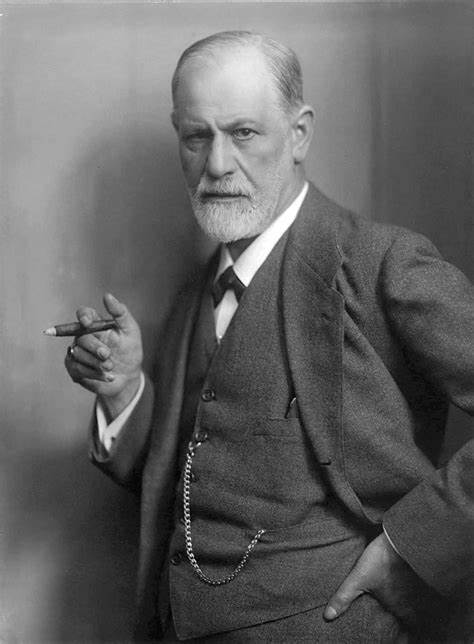
Austrian born Sigmund Freud (1856-1939) is remembered as the father of psychoanalysis. At many levels Freud was a success, but he never enjoyed his success because he was so negative. Let me give you one example. In 1918, he wrote, “I have found very little good in human beings as a whole. In my experience most of them are trash.”  Some say he was negative because he was in constant pain from jaw cancer caused by his cigar smoking. Some say his negativity was caused by his atheism.  Perhaps it was a combination of the two. However, one point is clear. Hardships have a way of exposing our spiritual maturity. It is not just true of Freud; it is true of everyone. That takes us to our scripture reading, 1 Kings 17:18-24.

The story is a conversion between the prophet Elijah and a grieving woman. Elijah is considered the greatest prophet in the Old Testament, known for his many miracles. The woman was another faceless victim. Hardship seemed to be her best friend. She struggled with her son’s death, because she believed in the unwritten rule that children should outlive their parents. In her story, that simply did not happen. His death is painful for two reasons. First, the boy reminded her of the past and those were happier days. Perhaps, her son had his father’s smile or laugh. Perhaps, her son gave her the strength she needed to survive her husband’s death or an excuse to keep living. He was a reminder of happier times. The joy she felt at her son’s birth was now balanced out by the pain of his death. Second, the boy was her future security. She lived in sexist times; women were not permitted to own property. Without her son she would just become another beggar. His death filled her future with countless questions. It is safe to say, his death hit her hard.

She did what many faithless people do when hardship arrives. She lashed out at God. Verse 18 quotes the grieving widow, “What do you have against me, man of God? Did you come to remind me of my sin and kill my son?”  How many people do you know blame God when troubles come their way? However, this is a resurrection story. Elijah did what people of faith do during hardship – they turn to God. He takes the boy’s lifeless body and retreats to a quiet place. Elijah turned to God and in the end the boy is resurrected. According to the text, verse 20, he cried out to God and God heard him. The boy was resurrected and returned to his mother. The story of the grieving mother resonates with many because everyone faces problems.

During my time in the ministry, I made pastoral care a priority. Every afternoon I would visit someone who was facing hardship. Sometimes I would visit the hospitalized. Someone was always dealing with cancer, recovering from a stroke, or fighting an infection. Sometimes I would visit shut-ins. Television sets were their only link to the outside world. Sometimes I would visit the institutionalized. The nursing home staff would call them sweetie and honey, but they were just another resident. I feared no one really cared. Honestly, I fear I will spend my last days in this world in one of those places. In all my visits no one expected me to solve their problems. The only thing that mattered to them was that I cared, and that I would pray with them. I never disappointed them, because, like the grieving mother, they needed God. Every visit I made reminded me I had a good life. The problem is hardships are waiting for all of us. The only question is, how will we respond?

Years ago, Dr. Raymond Edman wrote a little book called In Quietness and Confidence. He says every time a Christian faces hardship we must do two things. First, we must face the problem head-on. Second, we must remember four clear statements. These are the statements:

  1. I am here by God’s appointment. In other words, God wants you in that situation for some reason. That statement is important because it reminds us that God has not forgotten us. In our story, the widow’s son died so the power of God could be demonstrated. I cannot promise you a resurrection, but I can guarantee you that God has not forgotten you.
  • I am in God’s keeping. In other words, God will care for your needs. I didn’t say extravagant living; I said basic needs. In 1 Kings 17:4-6, Elijah drank from the brook and existed on sandwiches. During my time in the ministry, no church member ever died of starvation. God cares for our needs.
  • I am under God’s training. In other words, God has a plan for your life. Your troubles are molding your heart for something special. What sensitivities have you gained because of your hardships? How have your problems changed you? The lesson of humility is hard to accept.
  • God will show me the purpose in God’s time. I would like to say the purpose of your suffering will be revealed in this world, but I don’t want to lie to you. When I get to heaven, I have a great list of questions for God and so do you. In God’s time we will get our answers.

Don’t let your problems just be a problem. Accept the fact that your problems are an opportunity to witness your faith. Non-believers, like the widow, blame God and others. Believers turn to God. Let me end with this story.

In 1985, Bruce Goodrich (1967-1985) was training to be a cadet at Texas A&M University. One day, Bruce and the others were expected to run until they dropped. It seemed like an innocent hazing prank. The problem was, Bruce did, but he never got up. He died from heat stroke; he died before he went to his first class. Shortly after his funeral, Bruce’s father wrote a letter to the university. What kind of letter would you write if your child had just died in a senseless way? This is what Bruce’s father wrote:

I would like to thank the university for the kindness you showed my family during our time of need. I am pleased Bruce had a Christian witness on the campus. While we may not understand the events of the past few weeks, we know God does. God does not make mistakes. We know that Jesus is caring for Bruce now.

Can you question that father’s faith? Hardships have a way of stimulating our witness. They reveal our spiritual maturity. The faithless widow looked for someone to blame. The faithful prophet turned to God. What are you going to do next time hardship visits your house? Perhaps, Psalm 46:1 says it best, God is our refuge and strength, a very present help in trouble.”

Christian Camp Gideon

Christian Camp Gideon is located in Aa, Estonia. The village is in northern Estonia, on the southern coast of the Gulf of Finland. The location is beautiful. The camp itself was built prior to World War II by the Soviet Union. At that time, it was a Pioneer Camp, where communism and atheism were taught to the young. The fall of communism in 1991 changed everything. In time, Estonia became an independent country and Camp Gideon found a new purpose.

During the summers of 1993 and 1994, Camp Gideon was used by the Estonian United Methodist Church. On March 15, 1995, Camp Gideon was purchased by the Asbury United Methodist Church of Tulsa, Oklahoma and given to the United Methodist Churches of Estonia. On that day Artur Põld was named the Director of Camp Gideon. He still holds that position today.

From the very beginning, American friends have supported Camp Gideon – both spiri­tually and financially. Every summer, several groups of volunteers from the United States arrive at Camp Gideon to organize children’s pro­grams and help repair the time-worn buildings. Over the years, Camp Gideon has become internationally known in Latvia, Russia, Finland, Sweden, Belarus, Germany and beyond. Thanks to the ministries of Camp Gideon, hundreds of children hear about Jesus each camp season. Together with the guests of Camp Gideon, several mission events have been organized, including family camps, Walks to Emmaus, and the Sum­mer Conference of the UMC in Estonia.

In 2019, my wife Kathryn and I visited Camp Gideon for the first time. We were moved by the work of these people. Since that visit she has been raising money to help with the reconstruction of the buildings. Currently there are fifteen buildings on the 75-acre camp. She is returning to Estonia between July 17 and August 5, and I am returning between July 24 and August 5. We will be helping with English Camp and are looking forward to seeing the progress that has been made at Camp Gideon. It is truly a resurrection story. A camp that once taught communism and atheism is now teaching the Good News of Jesus Christ.

You can help Camp Gideon in two ways. First, pray for Camp Gideon and us. Your prayers are more valuable than you will ever know. Second, prayerfully consider making a financial contribution to Camp Gideon. No amount is too small. It is amazing what God can do with a single dollar. Please make your check out to: PROJECT ORPHAN OUTREACH and mail it to 275 Bradford Drive, Canfield, Ohio, 44406. Some who read my weekly blog have already contributed. You will receive a thank-you note for your contribution as well as a report on what was accomplished after we return.

In advance, I would like to thank you for your generosity.

3 Simple Rules

Her name was Susanna Wesley (1669-1742), the mother of the founder of Methodism, John Wesley (1703-1791). She knew a thing or two about motherhood and she set the standard high. She was born in 1669, the youngest of twenty-five children. At the age of nineteen she married Samuel Wesley (1663-1735). They knew hardship. Constantly poor, they had nineteen children, nine of their children did not make it into adulthood. Their family home burned down twice. Yet, despite all of this, she is remembered as an outstanding mother. She prepared her children to survive in this world and to be prepared for eternity.

Each one of her children, both boys and girls, were home-schooled. Their education began on the day after their fifth birthday. Each one of them was required to know the complete alphabet after the first day. Once their education was complete, her children knew both Greek and Latin, along with the classics. All this was done within the framework of sixteen house rules. They still speak to our world today. These are her sixteen rules for parenting: 

  1. Eating between meals is not allowed. 
  2. Children are to be in bed by 8 p.m. 
  3. Children are required to take medicine without complaining. 
  4. Subdue self-will in a child to save the child’s soul. 
  5. Teach a child to pray as soon as he can speak. 
  6. Require all to be still during Family Worship. 
  7. Give them nothing that they cry for, and only that when asked for politely. 
  8. To prevent lying, punish no fault which is first confessed and repented of. 
  9. Never allow a sinful act to go unpunished. 
  10.  Never punish a child twice for a single offense. 
  11.  Reward good behavior. 

12. Any attempt to please, even if poorly performed, should be commended. 

  1.  Preserve property rights, even in smallest matters. 

14. Strictly observe all promises.  

15. Require no daughter to work before she can read well. 

16. Teach children to fear the rod.  

Those rules demonstrate that Susanna Wesley knew something about raising children. However, this is the Good News for today: This blog does not have sixteen points. This blog only has three. They are found in our reading, John 2:1-11. 

The scene is a wedding reception. Couples didn’t honeymoon in those days. No one traveled to Mexico or the Caribbean.  However, they did hold receptions that lasted approximately a week. Jesus was invited to one such reception because he was a respected rabbi. Over the generations, certain general rules of hospitality have remained intact. Running out of food or drink has always been a serious matter. In verse three we discover that the wine had run out. Everyone looked for the guilty party, but Mary looked to Jesus.

She knew Jesus had the power to save the day. She believed in Jesus when Jesus didn’t believe in himself. In verse four, we find Jesus making an excuse for his inactivity, “My time has not yet come.”  Mary does not listen. Instead, she instructs servants to bring him water. By the end of the scene, the party has resumed. Everyone had enough wine. Verse ten tells us it was the good wine. What does that mean? It means the wine that Jesus produced had a kick. What grabs our attention today is not the quality of the wine, it is the relationship between Mary and Jesus. 

Time is important in this story. The nativity was decades earlier. Jesus is no longer a newborn, and Mary is no longer a young mother. In this story, Jesus is thirty years old man, and Mary is a veteran mother. Mary illustrates how our relationships with our children must change. You can’t treat your thirty-year-old child like a newborn, that will destroy any relationship. Your relationship with your children must evolve, as your child evolves. Mary illustrates for us three simple rules parents must follow when dealing with their adult children. 

This is rule #1: Know your children! Mary knew Jesus. She was at the wedding reception with Jesus and this was not unusual. Mary spent most days with Jesus. Mary knew Jesus was different from the very beginning. She must have remembered many things. She must have recalled that visit from the angel years earlier, who told her that she had been chosen to be the mother of the Son of God. She must have remembered Jesus’ birth. She remembered the visitors, the shepherds and the Magi. She must have remembered how Jesus wandered off at the age of twelve and was found in the temple. Mary remembered it all because she was part of Jesus’ life for thirty years. She knew Jesus better than Jesus knew himself. How well do you know your children?  

How much real time do you spend with your children? Perhaps, this is a better question: How well do your children know you? Can you name three of your children’s friends? If not, maybe you don’t know your children. Spending time with your children is important. Rule #1 says, know your children. 

This is rule #2: encourage your children! History tells us that Abraham Lincoln (1809-1865) carried an old newspaper article with him regularly. Those who were closest to him say he read it daily. He couldn’t believe the words. The article said Lincoln was a great leader. The article was correct, he is remembered as being a great leader, perhaps our greatest president. However, Lincoln didn’t see himself that way. He was crippled with self-doubt. Lincoln illustrates for us a simple point. It doesn’t really matter what others think of you. The only thing that matters is how you feel about yourself. How do you feel about yourself? 

I love this Bible story because it shows the human side of Jesus. Jesus had an insecure side. Look at the story again. The Master is at a wedding reception when the wine ran out. Jesus had the power to solve the problem, but he didn’t try because he was too insecure. It is his mother who gives him the nudge to try. Verse 3 says, “When the wine was gone, Jesus’ mother said to him, ‘They have no more wine.’”  In other words, Mary is telling Jesus to do something. She is encouraging him to do something. Have you ever needed an encouraging word? The world reminds us regularly of what we can’t do. We need people in our lives to remind us of what we can do. It is not just true of the young. It is true of the not-so-young. We are often blind to our own abilities. It is impossible to receive too much encouragement. Rule #2 says, encourage your children. 

This is rule #3: Trust your children to God! Mary knew Jesus and she encouraged Jesus. However, the third rule must have been the hardest one for her to apply. She knew God had something special planned for him. She remembered how she and Joseph took Jesus to the temple when he was only eight days old. On that day, they met an old man by the name of Simeon. He knew Jesus was destined for greatness. Do you remember his words? Mary did. Simeon said, “This child is destined for the raising and the falling of many in Israel” (Luke 2:34). Mary didn’t know what that really meant, but she must have asked the question a million times: why does her son have to lead to the raising and the falling? Why not just the raising?  

When she encouraged Jesus to change the water into wine, she was encouraging Jesus to get on with his life. She was encouraging Jesus to fulfill his divine destiny. Jesus’ future was out of Mary’s control. She had done the best she could do. Now, she had to trust God with him. We only have our children at home for a short time. Most of their lives they are on their own. How far do you trust God with your children? This is rule #3, trust your children to God. 

Years ago, I watched Ken Burn’s (born 1953) documentary on World War II, The War. My father served during that war, so I felt some attachment. I found the interviews of the survivors interesting. That generation is dying quickly. In one episode, they interviewed a native-American soldier who was in the infantry. I will never forget it. I think about it every Mother’s Day. Years after the conflict, he cried about the day he took a German life with his own hands. Death did not come suddenly, the soldier died slowly. Before he died, he called out. According to the man interviewed, he didn’t call out for a medic. He didn’t call out for his friends. He called out for his mother, twice. The man was a solider, but the man was a son who needed his mother.  

Don’t tell me motherhood isn’t important. It is important to love your children when they are young, but it is equally important to love them today. Regardless of age, they will always be your children, and you will always be their mother. The English poet and playwright Robert Browning (1812-1889) once said, “Love begins and ends with mothers.” I believe he was right! 

3 Theories about Thomas

We find ourselves in the twentieth chapter of John, verses twenty-four through twenty-nine. Prior to our reading, the resurrected Jesus appeared to ten of the disciples. The two who were missing were Judas Iscariot, the one who had betrayed Jesus. By this time, he had committed suicide. The other absent disciple was Thomas. We do not know where Thomas was, but we know where he should have been. He should have been with the other disciples experiencing the resurrected Jesus. The other disciples told him about their experience, but their words were not enough. Thomas responds with these famous words, found in verse twenty-five, “Unless I see the nail marks in his hands and put my finger where the nails were, and put my hand into his side, I will not believe it.”  He must have regretted those words. For generations, people have judged Thomas for them.

Except for Judas Iscariot no other disciple has been judged more harshly by history than Thomas. It is unfair. His life was more than that a single sentence. Just think about it for a moment. Thomas was selected by Jesus, himself, to be one of the disciples. That means he traveled with Jesus for three years. He heard the lessons. He felt his authority. He saw his miracles. He was excited on Palm Sunday and devastated on Good Friday. Tradition tells us after Pentecost, he went to India to evangelize about Jesus. Even his death had meaning. Tradition tells us, he died in service to the Lord, martyred with a spear. He had an incredible life, but we remember him for one sentence, “Unless I see the nail marks in his hands and put my finger where the nails were, and put my hand into his side, I will not believe it.”  Why is it, we all remember those negative words? Could it be that we all point to that one moment of doubt because it was the one moment, we are the most like Thomas? You are not the first person to wrestle with doubt, and you will not be the last. However, this is the question of the day:

Why did Thomas doubt? Throughout the centuries, many have tried to answer that question. I have my theories. Maybe you have your theories? James W. Moore (1938-2019) was an author and the pastor of the St. Luke’s United Methodist Church in Houston, Texas for many years and he had his theories. In this blog, I want to look at his theories – I believe they have some merit. They speak to me; I hope they speak to you too.

This is theory number one: Thomas doubted because he had dropped out.  In other words, Thomas had some doubts because Thomas was not present, so he doubted. That is worth considering. We still see it today. How many people do you know question the resurrected Jesus, because they have dropped out of church? For that reason, many have a poor personal theology. They simple don’t understand God’s ways.

How many church dropouts do you know? I cannot blame them 100% of the time. The church is made up of imperfect people, so the church is not a perfect institution. Truth be told, there are times churches are downright ugly. We fight amongst ourselves. We gossip about one another. There are times when small groups like to run the whole show. There have been times when pastors do some horrible things. I know those things, but I also know this: there is no excuse for dropping out of church. Despite all our problems, church is still the best place to learn about God. If you do not go to church, then where do you learn about God? If you are not going to church, then you are self-taught.  For a short time, Thomas dropped out. Church dropouts are missing the whole Christian experience. No wonder they have doubts and questions. They simply do not know God’s ways.

This is theory number two: Thomas doubted because he gave in. In other words, Thomas had some doubts because he let science become the final answer. You cannot really blame him, the resurrection of Jesus is hard to believe because it is a miracle! It cannot be explained by science. If you do not believe in miracles, then you cannot believe in the resurrection. Do you know anyone who says people who believe in miracles are foolish, uninformed or uneducated? Do you know anyone who has given in?

Thomas Jefferson (1743-1826), the chief writer of the Declaration of Independence and Third President of the United States, gave into science. He was a deist. In other words, he believed in God, but God never broke natural law. For this reason, he had his Bible re-written. He wanted everything that could not be scientifically explained eliminated. Just think about it for a moment. Just think of the things Jefferson rejected. He dismissed the virgin birth, the healing stories, and the resurrection. In my opinion, that dismissed him from the Christian faith. Your belief in the resurrection of Jesus is not optional, it is mandatory. I have seen copies of Jefferson’s Bible. It is approximately one-third the size of our Bible.

I hope you do not misunderstand me, I am not saying that science is bad. I believe it is one of the paths to truth and knowledge. However, I do not believe it is the only path to truth and knowledge. Some of the most powerful forces in our world today cannot be explained by science. Can you give me the scientific formula for love, honesty, courage, faith, goodness, or humility. There is not a scientific explanation for patience, self-control, or kindness. You cannot put mercy or grace into a test tube. Those things cannot be scientifically explained, but we see examples of those things every day. Perhaps Thomas doubted because he gave in to science? Science is good, but it is not the final answer. The final answer is always God. Perhaps Thomas doubted because he dropped out or gave in.

This is theory number three: Thomas doubted because he gave up. In other words, Thomas had some doubts because he let death be the final answer. The scripture does not tell us where Thomas was when Jesus appeared to the others. However, I have a good guess. I believe he was doing what many do when they are upset. They walk to get some fresh air, clear their minds, and think. If you use your sanctified imagination, you can see him walking down every back street of Jerusalem. He is trying to answer the question, “How did it go so wrong, so fast?” As he walked, he couldn’t believe it was over. He was devastated. He thought it was over when Jesus died! However, he was wrong. It was not over. It was just the beginning. Why? Because Jesus was not dead. He had been resurrected; he was alive! Do you know anyone who lets death have the final word? Do you know anyone who has given up?

The other day, we observed the 30th anniversary of the Oklahoma City bombing. You remember the ugly story. On April 19, 1995, Timothy McVeigh (1968-2001) attacked the federal building in downtown Oklahoma City. I remember that day. The picture that caught my attention from that day was of a firefighter carrying a little girl away from the destruction. We found out later that the little girl was one year old. She celebrated her first and only birthday the day prior to the bombing. Reporters asked that little girl’s mother, “How can you go on?” She responded, “The only thing that keeps me going is the fact that my little girl is in heaven. Someday, I am going to see her again.” Can you relate to that mother? Your life would come to a grinding halt, if not for the belief that you will see your loved one again? Perhaps Thomas doubted because he was overcome with grief. Never forget! Death is not the final answer. The final answer is Jesus! I do not know why Thomas doubted, but he did. Do not be hard on him. We all have questions and doubts. Let me end with this story.

Years ago, I received a phone call from a young man by the name of Derrick. He was a student at Youngstown State University who was enrolled in a religion class. His assignment was to call a minister in the area and ask some questions. I was more than happy to answer his questions. However, before the first question was asked Derrick wanted to make a confession. He said, “Rev. Adams, I don’t want to scare you, but I have some questions and doubts about Christianity.” I said, “Derrick, the fact that you have questions and doubts doesn’t scare me. The only ones who frighten me are the people that say they have all the answers.” Voltaire (1694-1778) said, “Doubt is not a pleasant condition, but certainty is absurd.”  So, accept your doubts and ask your questions. They are a sign of a growing faith.