Living in the Light

Meteorologists tell us the darkest day of the year in the Northern Hemisphere is December 21, the winter solstice. In my hometown we experience 14 hours and 56 minutes of darkness on that day. However, I do not consider December 21 the darkest day of the year. I consider January 2 to be the darkest day of the year. We experience 14 more minutes of sunlight on January 2 than on December 21, but darkness reigns on that day. Christmas is over, and Christmas lights have grown dark. I have always found Ohio winters to be hard, not because of the cold, but because of the darkness. I much prefer living in the light. I am not alone. That takes us to our scripture reading, Genesis 1:1-5.

Tradition tells us Moses wrote the Book of Genesis, along with Exodus, Leviticus, Numbers and Deuteronomy. Together, they are called the Pentateuch. They were written approximately 1,400 years before the birth of Christ. Genesis means “birth,” “genealogy,” or “history of origin.” It is the perfect title for the book because it summarizes the theme of the entire book. Our reading tells us how it all began. They are the opening words to the creation story.

According to the Bible, God created the world in six days, resting on the seventh. God is the main character in the Bible. In the Bible, God’s existence is never questioned, he always existed. In our reading, the original language, Hebrew, exposes Jesus was part of the creation because Jesus is divine. The first verse says, “In the beginning God created the heavens and the earth.” In verse two we learn darkness reigned until God acted. In other words, only chaos, disorder, danger and the unknown existed. In verse three, God introduces light. It is the opposite of darkness. Light brings order, safety and knowledge. In verses four and five, we are told God was pleased with the light, so he separated the dark and the light. The darkness was called “night” and the light “day.” I find it interesting everything began when light was brought into the story. This is certainly not the last time light is mentioned in the Bible.

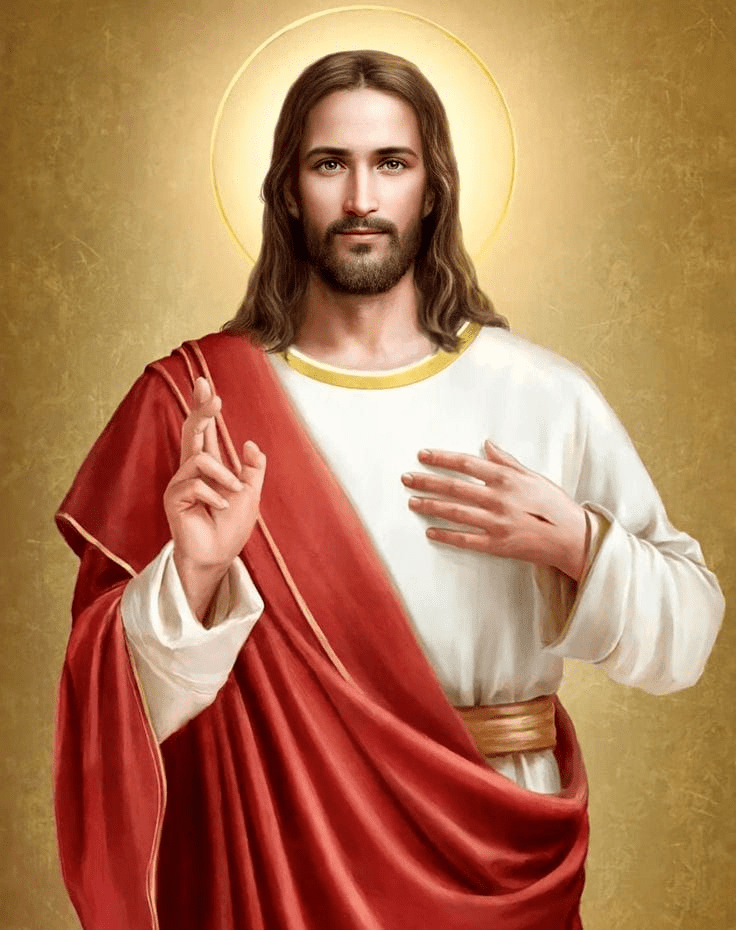
The word light is used 272 times in the Bible. Sometimes, light means something that glows, like a campfire, firefly or a flashlight. Sometimes, it means more. In the Bible, light symbolizes God’s presence, purity, truth and spiritual illumination. In 1 John 1:5, God is described as light. In John 8:12, Jesus described himself as the “light of the world.” That verse says, “Jesus spoke again to the people, he said, ‘I am the light of the world. Whoever follows me will never walk in darkness, but will have the light of life.”  I have been walking in that light for over fifty years. I feel sorry for people who are groping in the dark because life is hard for everyone.

When you live in the light of Christ, you are forgiven. Ephesians 1:7 says, “in him we have redemption through his blood, the forgiveness of trespasses, according to the riches of his grace.” Forgiveness in the Christian faith runs contrary to our world. According to the Bible, we are forgiven by God when we forgive others. That is the point of the parable of the unmerciful servant, Matthew 18:21-35. True peace with God is only possible when we forgive others. Who do you need to forgive?

When you live in the light, you have hope. Roman 15:13 says, “May the God of hope fill you with all joy as you trust in him, so that you may overflow with hope by the power of the Holy Spirit. According to a recent Harvard Youth Poll, 51% of young Americans feel hopeless. That is a sad figure because they live in a wonderful country. America is still the land of opportunity. However, with that opportunity comes responsibility. It was a wonderful day when I discovered it all didn’t depend on me. God has been taking care of me from the very beginning. Living in the light means I am not alone. God is with me, and God is with everyone who is living in the light. Those who chose to live in the darkness only see loneliness. Matthew 19:26 says, “With God all things are possible.”

When you live in the light of Christ, you have a purpose for living. Romans 8:28 says, “And we know that in all things God works for the good of those who love him, who have been called according to his purpose.”  Discovering your divine purpose is vital. I am fortunate that my vocation and my purpose were one. For many they are not. God created you for a purpose. You were not born to be a consumer. You were not born to amass wealth. You were born to glorify God and work in his kingdom. What are you doing to glorify God?

When you live in the light, you have salvation. John 14:6 says, “Jesus answered, I am the way, the truth and the life. No one comes to the father except through me.”  This is the unpleasant reality – no one gets out of the world alive. We are all terminal from birth. However, that is not the end. For those who live in the light there is more. One of the great promises in the Christian faith is salvation. When I leave this world, I will go home. In other words, I will be in heaven with fellow believers. Are you still questioning your salvation?

Years ago, I was visiting someone in the hospital. They were in the intensive care unit. On my way out of the ICU, I stuck my head into the family waiting room. You never know who you will find. On that day, I found a woman I knew. She was surrounded by her family. She gave me a hug and introduced me to her family. Everyone greeted me warmly, except one brother. He was having a hard time. They told me their other brother was a patient, and things weren’t going well. I asked them if I could pray with them. They all said, “Yes!” except for the struggling brother. He looked at me and said, “No! What the hell has your God done for me?” The family apologized for his harsh words, but I wasn’t upset. I felt sorry for the hurting man. He was struggling because he was living in the dark. He only saw chaos, disorder, danger and the unknown.

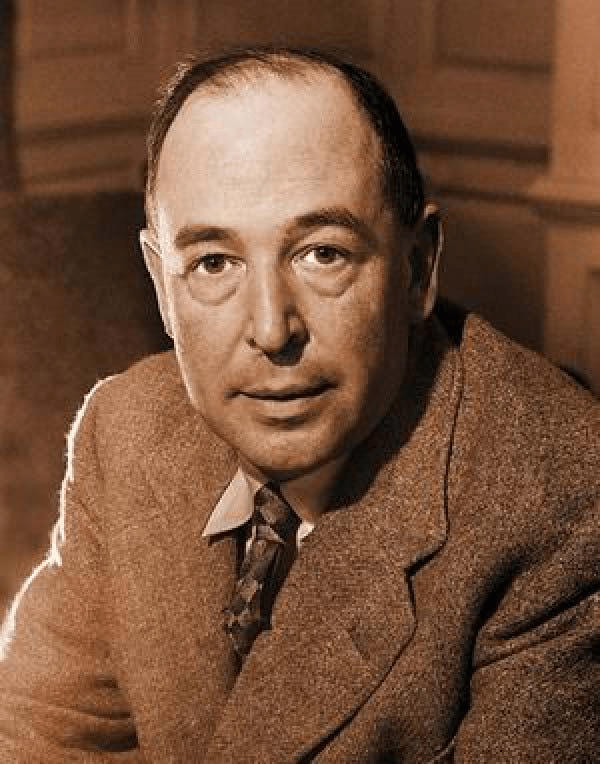
How many people do you know are living in spiritual darkness? I prefer living in the light because life is more tolerable. C. S. Lewis (1898-1963) once said, “I believe in Christ like I believe in the sun – not because I can see it, but because by it I can see everything else.”

Looking for God

Our reading is John 14:1-9. I have read these words countless times while officiating at funerals. The background is straight forward – Jesus is telling the disciples he will be leaving them soon, and they are uncomfortable with that news. Jesus tries to comfort them by saying this is not the end. This is just a momentary separation. Someday, they are going to be reunited in paradise. They heard what Jesus was saying, but they have some doubts. Two disciples respond differently. Thomas admits his ignorance, he doesn’t even know where Jesus is going. Phillip demands proof. In verse eight Phillips says, “Show us the father and that will be enough for us.”

His request is not so absurd. You can’t really blame him. Everything about his life is about to change. Jesus is leaving! He spent three years with Jesus. He walked with Jesus. He talked to Jesus. He ate with Jesus. He sacrificed for Jesus. His dreams revolved around Jesus and now he hears Jesus is leaving. He will be alone, and everything is about to change.

He is not different from us. Our world is constantly changing. Going back to the past is not an option, and the path to the future seems unclear. With his insecurities on display for the entire world to see, he says, “Show us the father and that will be enough for us.”  Have you ever wanted to see God? Perhaps, this is a better question: where do you look for God? It is my experience we look for God in various ways.

Some look for God in the spectacular. They want to see God in wide screen technicolor. That is how Philip wanted to experience God. Philip said, “Show us the father and then we will believe.” That verse relates back to the transfiguration. Do you remember the story? Peter has just identified Jesus as the Messiah. Jesus takes the inner circle, Peter, Andrew, James and John, to the top of a mountain. It is at that location that Jesus is transfigured. In other words, Jesus begins to glow. It is at that location that the two greatest characters of the Old Testament appear: Moses and Elijah. Moses was the great law giver. Elijah was considered the greatest of the prophets. The climax of the story is when God appears. Only four of the twelve disciples have that experience. The other eight get their information second hand. Philip got his information second hand and felt left out. Philip said, “Show us the father and we will believe.” In other words, he wants to have a spectacular experience with God too.

Some want to experience God in a spectacular way. That is why people study their toasted cheese sandwich for the face of Jesus. That is why people find the image of the Virgin Mary in their baked potato. That is why people see the image of the Last Supper in a rusting water tower. That is why people spot Jesus on a chariot in the clouds. They are hungry for God, and we are looking for him in spectacular ways. We want God to see God in the spectacular because we need proof that God is in control. Are you looking for God in the spectacular?

Some look for God at a specific location. Lakeside is an old Methodist retreat center on the Marblehead peninsula in Ohio. For decades, people have gone to Lakeside for family vacations and spiritual renewals. The Chapel in the Woods is not fancy, but it is sacred to many. I cannot tell you how many young people have accepted Christ there. I can tell you what one man said to me. He said, “Russ, I want to go back to The Chapel in the Woods to see if God is waiting there for me.” Do you have a place in your life where God is waiting for you?

In the Christian tradition, we go to the altar because it is at the altar we expect to experience God. For that reason, we reserve the most sacred experiences in our lives for the altar. We pray about our problems at the altar. We get married at the altar. We baptize our young at the altar. We bury our dead loved ones at the altar. When you go to the altar you just don’t hope to experience God. You expect to experience God! Are you looking for God in a specific location?

Some see God in nature.How can you question the existence of God when you see the leaves in full color during an Ohio autumn? How can you question the existence of God when the spring flowers bloom after a cold dark winter? How can you question the existence of God when you are walking on the beach? How can you question the existence of God when the snow is fresh, and everything is white? How can you question the existence of God when you stand on top of a mountain and soak in the view? How can you question the existence of God when the sky is filled with stars? Dante Alighieri (1265-1321) once said, Nature is the art of God.”  Are you looking for God in nature? In our scripture reading, Jesus says we see God in sacrificial lives.

John14:9 is the perfect scripture for anyone who is looking for God. It says, “Jesus answered: “Don’t you know me, Philip, even after I have been among you such a long time? Anyone who has seen me has seen the Father.”  There is nothing simple about that statement. It deals with our understanding of the Trinity. Jesus was divine, so his priorities were divine. Jesus’ priorities centered around His love for God and his love for mankind (Mark 12:30-31). He lived those priorities out in the way he treated others. He ministered to the marginalized, empowered the powerless, showed mercy to sinners and practiced compassion with humility. Jesus says if you want to see God, then look at those individuals who sacrifice for strangers. That reminds me of an old preaching story.

On January 23, 1943, the SS Dorchester left New York harbor bound for an Army Command Base in southern Greenland. World War Two was raging, and everyone knew the danger. On February 3, the Dorchester was torpedoed by German submarine U-223. The Dorchester sank in twenty minutes. There were 903 troops on board, and four chaplains. Everyone scrambled for their life jackets. A young soldier came up to one of the chaplains and confessed he had lost his life jacket. The chaplain handed his to the young man. Before the Dorchester sank each one of the chaplains surrendered their life jacket to save a soldier. The heroic chaplains then linked arms and lifted their voices in prayer as the ship went down. In time, the four chaplains were awarded posthumously the Distinguished Service Cross.

That story reminds us of the sacrifice Jesus made for us. Jesus and the chaplains made the ultimate sacrifice. If you really want to see God, then look at people who sacrifice for others. That leads us to an interesting question. Has anyone ever seen God in the way you live? It has been said, God loves you as if you were the only person in the world, and He loves everyone the way he loves you.

Five Christian Qualities

Our reading is Ephesians 4:1-6. The epistle to the Ephesians was written by the Apostle Paul in the year 60 from a Roman prison cell. I had the good fortune to Ephesus, located in present day Turkey, several years ago. The ruins are a reminder of her glorious past. In Paul’s day, Ephesus was the most important city in western Asia Minor because it was on the intersection of international trade routes which made it a commercial giant. Paul stayed in Ephesus for two years to export the Gospel to every corner of his world. This epistle does not address any bad problems or heresy. The church was perfect, but that is not good enough. Paul writes this letter to challenge the Ephesians to expand their understanding of God’s plan of salvation. He reminds them, and us, to never be satisfied with our spiritual state. It is not enough to claim our salvation and rest on our laurels. We must press on to perfection. In the first three chapters of Ephesians Paul explains the role the church must play in God’s plan of salvation.

In the fourth chapter, Paul addresses the qualities each church member must develop in their spiritual journey. There are five qualities true believers must develop. There is no other way to say it – Paul sets the standard high and expects a great deal from us. You can call these five qualities a challenge to grow spiritually. We should never be satisfied with our present spiritual state. We should always be striving for perfection, because we are supposed to be a little more like Jesus every day. Paul challenged the Ephesians to grow spiritual, so I have the license to challenge you. I want to challenge you because I don’t want you to be the weakest link of your church.

The first Christian quality is humility. It is interesting to note that the ancient world despised the word humility. Even today, humility is looked down upon. We look up to people who are confident, if not arrogant. However, humility is one of the most misunderstood words in the English language. Humility does not mean you lack any confidence or skills, it means something completely different. It is identifying your strengths and using them for a greater good. If you want to be a humble person, then you must do two things. First, you must know yourself. You must know what you can do and what you cannot do. You must know what you believe and your core values. You must accept yourself as you are. God does not make junk. Do you know yourself? Second, you must compare yourself to Jesus. Let’s be honest, there is no comparison. If you do those two things, then you will use your God-given gifts to God’s glory. God has created you for a specific reason. C. S. Lewis (1898-1963) once said, “Christian humility is not thinking less of yourself, it is thinking of yourself less.” Do the people in your life consider you a humble person? There is humility.

The second Christian quality is gentleness. Being gentle or meek does not mean you are a doormat. It does not mean you are passionless. It means you get upset about the right things – moral issues. What upsets you? Are you more upset that the Guardians’ ownership is cheap or are you more upset, according to the United Nations, approximately 25,000 people die daily from starvation in our world? Does income disparity upset you? Do human rights violations upset you? Does it upset you that many in our world lack clean drinking water, quality education and healthcare? There is nothing wrong with getting upset about moral issues. What upsets you? Jesus was gentle or meek, and yet he got upset. Remember, Jesus got upset when the temple was used for personal profit. American author Elizabeth George (born 1946), from my hometown, Warren, Ohio, once said, “Gentleness is strength under control.” Do the people in your life consider you a gentle person? Do the people in your life consider you a meek person?There is humility. There is gentleness.

The third Christian quality is patience. Christian patience is the spirit which never admits defeat, regardless how often we are disappointed or discouraged. Yet, there is more. Christian patience never retaliates even when opportunity represents itself. Christian patience never considers abandoning Jesus. We wait patiently until Christ returns. Do the people in your life consider you a patient person?There is humility. There is gentleness. There is patience.

The fourth Christian quality is love. In Biblical Greek there are several different words for love. There is passionate love. There is community love. There is family love. The word that Paul uses here is unconquerable, benevolent love. In other words, it is the kind of love you have for someone who hates you. That kind of love is not rooted in emotions. It is rooted in self-will. There is nothing simple about that kind of love. It is reserved for the spiritually mature. Have you ever loved someone who hates you?There is humility. There is gentleness. There is patience. There is love.

The fifth is peace. There are different kinds of peace. There is political peace. There is relational peace. There is spiritual peace. On the day you accepted Jesus, you had spiritual peace and were at peace with God. Peace is vital if we are ever going to reach our full potential. It is true in the world. It is true within our families. It is true in our communities, and it is true at church. Peace is vital! Do the people in your life consider you peaceful? There is humility. There is gentleness. There is patience. There is love. There is peace.

One of the most influential preachers in my life is a man named Tom Tewell (born 1951). Today, he is the Director of the Zick Preaching Scholar Program, which helps young preachers reach their full potential. When I became aware of him, he was the pastor of the historic Fifth Avenue Presbyterian Church in New York City. I first heard him preach when he served as Chaplain of the Week in Lakeside, Ohio years ago. For a period, I followed him online. I listen to his sermons weekly. It was during one of those sermons he told a story that still haunts me. It still haunts me. I hope it haunts you too. This is the story.

When he was young, he had to be interviewed to be ordained. He was interviewed by a small group of Presbyterian ministers in an empty church in the middle of the week. He said, they covered various topics: systematic theology, church history, his personal life, self-care and his holy habits. He felt good about the interview, and he felt like he would be approved. That all changed in an instant. The oldest man on the interview team said, “Tom, we only have one more question – are you making any progress in the Christian faith?” Tom said he opened his mouth, but no words came out. He didn’t know how to answer the question. He was stumped. It is an excellent question.

How do you answer that question? Are you making any progress in the Christian faith? Your answer cannot be NO! Your answer cannot be I HOPE SO. Your answer cannot be I HAVE NO CLUE. Your answer must be YES because Jesus expects you to grow spiritually. You just can’t claim your salvation and rest on your laurels. Our world needs more spiritually mature Christians. The church needs more spiritually mature Christians. Are you making any progress in the Christian faith, or do you have some work to do?

C. S. Lewis’ Three Surprises

Our scripture reading is from Second Kings. There was a time when First Kings and Second Kings were united and simply called Kings. It was divided into two literary pieces in about the year 400. The division comes chronologically. King Ahab, the northern king, reigned at the same time as Jehoshaphat, the southern king. Ahab is remembered as one of the worst kings because he encouraged the people to abandon God, Yahweh, and worship the false god, Baal.

Jezebel, which means wicked or shameless, was a Phoenician princess, daughter of King Tyre. In time, she would marry King Ahab. Together, they had three children, Ahaziah, Jehoram, and Athaliah. Jezebel wanted more than the perks that came with the crown; she wanted influence. She influenced her husband to commit the most heinous of sins. She encouraged Ahab to reject the one true God and worship Baal. Together, they encouraged their subjects to worship Baal. There is no other way to say it – Jezebel was a sinner, and her death was not pleasant. Our reading, 2 Kings 9:30-37, contains her unpleasant ending.

According to the text, Jezebel is in the city of Jezreel, an ancient fortress. She was locked in a power struggle with the new king of Israel, Jehu. He is coming to seize his power, but Jezebel will not surrender easily. Jezebel climbs a high tower to survey the situation. She calls out to the new king, but their words are few. In the end, she loses everything. She is thrown out of the tower and dies on impact. Jehu saw the ugliness, but he was unmoved. He knew it was pleasing to God. Our world has always been an ugly place.  

The story of Jezebel’s death is a story about judgement. It was written to shock readers because the author wants to grab everyone’s attention. He wants to remind us of two things. First, he wanted to remind us that sin is serious business. Our world ignores the seriousness of sin and is consumed with love and grace. Second, he wants to remind us that someday we will be judged. We will be judged for the things we have done – sins of commission. We will also be judged for the things we should have done – sins of omission. How much human suffering have you ignored? Just like Jezebel, our day is coming. We will stand before God and be held accountable. The goal of the Christian faith is to get everyone into heaven. Sadly, not all will make it.  

In this blog, I want to ask you five spiritual questions to make sure you are ready for your judgement day. These questions are not original. They came from Christian author Neil Cole (born 1960). You must answer these questions honestly.

What is the condition of your soul? In other words, are you at peace with God? According to Chapman University, 35% of Americans are afraid of death. It is important that you understand God’s plan of salvation. Jesus died on the cross for the sins of mankind. He is our only hope of salvation. Salvation cannot be earned; we are saved by grace. Do you understand God’s plan of salvation? What is the condition of your soul?

What sin do you need to confess? What dark part of your life do you need to bring into the light? Everyone has something. There isn’t a perfect person in this world. They say confession is good for the soul, and it is pleasing to God. What do you need to confess?

What have you held back from God that you need to surrender? God expects you to make him the top priority in your life. Any other relationship or possession must be second. That is hard for anyone who has loved ones. Is God your top priority? What or who is you holding back from God?

Is there anything that is dampening your zeal for Christ? In other words, are you excited about Jesus, or are you just mildly interested? There is a world of difference between being a fan of Jesus and a true disciple. Are you passionately in love with Jesus, or are you just mildly interested in Jesus? What is dampening your zeal for Christ?

Who have you talked with about Jesus this week? Are you more comfortable talking about Jesus, or politics? You should be able to tell people what Jesus means to you. You should be able to tell people what Jesus has done for you. You should be able to tell people how Jesus has changed your life. Who have you talked with about Jesus this week? I challenge you to not just answer those questions. I challenge you to ask the people in your life those spiritual questions. The goal is to get everyone into heaven. Heaven would not be the same without you!

C. S. Lewis (1898-1963) was a British writer, literary scholar and Anglican lay theologian. He once declared there are three surprises waiting for us in heaven. The first is who is there. Our job is not to judge others; our job is to love others. The second is who isn’t there. We are not saved by our good deeds. The third is that we are there. We are saved by grace and grace alone. Who is the first person you are going to look for when you get to heaven? The goal of the Christian faith is to get everyone in heaven. Sadly, some will be missing.

Divine Deafness

Our reading is Numbers 22:21-34. The Old Testament book of Numbers covers the 38-year period the Jews wandered in the wilderness after the establishment of the covenant at Sinai. Tradition tells us Moses wrote it. Yet, by the twenty-second chapter, Moses is dead, and the people are waiting to enter the Promised Land. That was a pivotal moment in their history.

The Jews were excited about their future, however other people in that area were not excited about their presence. The Jews were a new political force in that area of the world. Every nation responded to them in a different way. For example, the people of Moab only wished them harm. The king of the Moabites wanted the Jews to be cursed, and he wants the main character in our story, Balaam, to curse them. Balaam is caught in the middle between pleasing his king and pleasing God. As our reading begins, Balaam intends to deliver the curse, but God tries to stop him. Three times God sends an angel to Balaam. Each time, Balaam’s eyes are blind to the angel and deaf to his words. The unlikely hero in the story is Balaam’s donkey. According to the story, Balaam’s donkey sees the angel and tries to frustrate Balaam’s progress. Desperate to get Balaam’s attention, God opens the animal’s mouth, and the prophet listens. In the end, the curse is not delivered, and the prophet returns home.  

It is a story about communicating. God tried to communicate with Balaam three times without success. How many times has God tried to communicate with you without success? Could it be you are no different than Balaam? God is trying to communicate with us, but our ears are deaf. The problem is not God; the problem is us. According to the federal government, approximately 37.5 million Americans, or 15% of the population, is hearing impaired. This blog is not directed at the hearing impaired. It is directed at those who have perfect hearing yet fail to hear God. We fail to hear God for several reasons. Let me look at them.

When I was in college, I lived in a dormitory. In the basement there was a common room. It was a place to relax and visit. It was nothing fancy, there was a television set, ping pong table and some couches. One day I walked through and found another student sitting there deep in thought. I looked at him and said, “So what’s new?” He responded by saying, “I am dropping out of school; my mother has cancer. The doctor tells us she doesn’t have much time left.” I put my money in the pop machine and said to the same student, “So what are you doing this weekend?” He looked at me and said, “You didn’t hear me. My mother has cancer. She is going to die. I am dropping out of school.” I felt about two inches tall, and I listened to him for an hour.

Sometimes we don’t hear because we are preoccupied.  Something else has our attention. It may be a problem you are facing. It may be something that happened in the recent past. It may be some future event. I know it is true because I fight preoccupation all the time. I have always fought with preoccupation. It is a form of selfishness. Our preoccupations deafen our ears. God tried to speak to Balaam three times. How many times has he tried to speak to you? 

On December 7, 1941, the Japanese Empire attacked the American Naval Base in Pearl Harbor. A short time later, the United States entered World War II. So much happened over the next few years. It is easy to glorify past victories, but it is hard to forget all the ugliness. Part of the ugliness was the creation of Japanese American internment camps. They were created by Franklin D. Roosevelt (1882-1945). Executive Order 9066, which created those camps, was issued less than three months after Pearl Harbor. In time, approximately 120,000 Japanese Americans lived in those camps. 62% of the internees were United States citizens. Military historians tell us they were not created due to any military threat. They were created for one reason: racism! They were guilty of nothing but having Japanese ancestors. No matter how you spin it, it was ugly. Our world is still filled with prejudicial behavior, which frustrate us from hearing God.

Sociologists tell us three things about our prejudices. First, our prejudices reveal our insecurities. We are prejudiced against the groups who threaten us. Second, our prejudices give us a false sense of security. They make us feel like we are in control, yet that is not always true. Third, our prejudices are learned, we learn our prejudicial attitudes from others. Others are learning their prejudice attitudes from us – it is one of the things we teach our children.

Sometimes we don’t hear because we are preconditioned. How many prejudices do you hold? How preconditioned are you? God loves each one of us equally. God doesn’t play favorites. If you really want to hear God, then you must remove all your prejudices. Jonah, the reluctant prophet, refused to go to the Nineveh because he didn’t care for the people there. Some don’t listen because we are preconditioned. God tried to speak to Balaam three times. How many times has he tried to speak to you?  

There is an old Jewish Proverb that says, “No one is more deaf than a man who won’t listen.”  One of the most known Bible verses is John 3:16: God so loved the world he gave his one and only son, that whoever believes in him will not perish but have eternal life. Everyone seems to know it. Everyone loves it because everyone wants to be loved by God and go to heaven. We don’t have the same feelings about Leviticus 27:30. It says, “Every tithe of the land is the Lord’s. It is holy to the Lord.”  In other words, the first ten percent of your income goes to God. How many people do you know practice Leviticus 27:30. We like John 3:16 because we want to be loved. We dislike Leviticus 27:30 because we don’t want to give our money away. We only listen to the Bible verses we like.

Sometimes we don’t listen because we are predetermined. In other words, we hear the words, but we decide to reject them. How many times has your doctor told you to stop smoking and start exercising? How many times has your financial adviser told you to stop spending and start saving? Only 10% of church goer’s tithe. The church is filled with predetermined listeners. Some don’t listen because they are predetermined. God tried to speak to Balaam three times. How many times has he tried to speak to you?

American writer Earnest Hemingway (1899-1961) once said, “I like to listen. I have learned a great deal from listening carefully. Most people never listen.”  The problem isn’t God; the problem is us. God tries to communicate with us in scripture, through the Holy Spirit, our dreams, prayers, meditation, and other believers, but we just aren’t listening. To get Balaam’s attention, God had to speak through his donkey. What does God have to do to get your attention?

What Frightens You?

Our reading is Daniel 6:6-23. By the sixth chapter of Daniel, much has already happened. Daniel, who was a Jew exiled in Babylon, had already correctly interpreted a series of dreams for the king, gaining his favor. That made Daniel some powerful enemies in high places. They wanted to eliminate Daniel, so they came up with a sinister plan. According to the plan, praying to anyone, except the king, was unlawful for a period of thirty days. They knew Daniel would break the law because he would only pray to the one true God. The plan worked to perfection and Daniel was found guilty. With no other option, the king ordered Daniel to be thrown into the lion’s den, a cruel form of execution. However, in the end, God protected Daniel.

The story of Daniel in the lion’s den teaches us about faith. Daniel was a man of faith. There is no sign of fear in this story. People of great faith live fearless lives; people who lack faith live fearful lives. If you want to discover the level of your faithfulness, then look at the way you live. Are you living fearlessly? Are you living fearfully? To discover how faithful you are, ask yourself three questions. Each one is rooted in our reading.

In 1997, the airways were filled with the song “MMMBop.” It was sung by a group called Hanson. The group was comprised of three brothers: Isaac, Taylor and Zac. It came from their album, “Middle of Nowhere”. I loved MMMBop because if you knew the title, you knew all the lyrics. Even I could remember the words. I remember Hanson because they sang the national anthem at the first game of the World Series in Cleveland in 1997. At the time, everyone was crazy about Hanson and their song MMMBop. Hanson sold 16 million records worldwide. It is amazing how time changes things. In 1997, we saw Hanson everywhere. Today, Hanson is nowhere. According to the internet, the three brothers are married and have eleven children between them. Together, they brew craft beer called Hanson Brothers Beer. It is hard to go from international attention to nothing. Maybe Hanson can try to jump start their career on America’s Got Talent? This is question number one.

Are you afraid of being unpopular? Daniel was not afraid of unpopularity. The foundation of his life was God. He prayed to God three times a day and nothing was going to change his agenda, not even the law. Daniel was uncompromising, and his enemies used his inflexibility against him. That is a hard thing to do, because popularity is so seductive. Most need to feel important within our own circles of relationships. Our friends hold the same values and opinions as we do, so we feel accepted. That is important because many fear rejection and loneliness. How much are you willing to compromise to keep your friends? It is all a question of faith. Daniel was not afraid of being unpopular.

Years ago, I officiated at a funeral for a man named Dennis D. Buckley (1927-1951). I did not know Dennis; he died in 1951. His story was amazing. As a twenty-three-year-old, he was taken prisoner during the Korean War. He starved to death as a Prisoner of War. For decades, his remains stayed in North Korea, but during the 1990’s our country signed a treaty with the North Koreans. One of the things we received were the remains of fallen soldiers, and one was Dennis. It took our country several decades to identify Corporal Buckley’s remains. He was laid to rest in the national cemetery in Rittman, Ohio. I was humbled to do his service. No one could question Corporal Buckley’s patriotism. No one can say he didn’t sacrifice for his country. No one can say he didn’t love his country. His life spoke volumes about his priorities. This is question number two.

Are you afraid to sacrifice? Daniel was not afraid to sacrifice. He was willing to sacrifice everything, including his own life, for God. Sacrificing is not giving away what is left over. Sacrificing is giving something that you need. Our sacrifices are important, because they reveal what is important to us. How important is God to you? How much time are you willing to sacrifice for God? How much of your talent are you willing to sacrifice to serve God? How much of your money are you willing to sacrifice? The real question is how important is God to you? Our sacrifices reveal our priorities. It is all a question of faith. Daniel was not afraid to sacrifice.

Many consider Dietrick Bonhoeffer (1906-1945) to be one of the bravest men of the twentieth century. Born in 1906, Bonhoeffer was a Lutheran pastor and theologian. He earned his PH.D. from the University of Berlin. Yet, he will always be remembered for his anti-Nazi stance during the Second World War. In 1939, Bonhoeffer accepted an invitation to be part of the faculty at Union Theological Seminary in New York City, but instead he returned to Germany to endure the hardship of war with his people. In 1941, the Nazis tried to silence him. In 1943, he got involved in a failed attempt to assassinate Adolph Hitler (1889-1945). He was arrested and imprisoned. On April 9, 1945, at the age of 39, Detrick Bonhoeffer was executed, a few weeks before the war ended. He could have lived his life out safely in America, but he returned to Germany because his faith wouldn’t let him play it safe. This is question number three.

Are you afraid of death? It is clear Daniel was not afraid to die. Did you know, according to National Geographic, the average male lion weighs 420 pounds? Did you know the average female lion weighs 280? Both male and female lions are approximately six feet long. They are big-time predators. They eat any kind of meat, including humans. When King Darius sent Daniel to the lion’s den, he expected Daniel to die. However, Daniel lived another day. There was no sign he was afraid of the lions, because he wasn’t afraid of death. Are you afraid of death? The mortality rate in the world is 100%. It has been reported that 42% of Americans fear death, another 7% say that don’t know how they feel about death. It is all a question of faith. Daniel wasn’t afraid of death.

Everybody is afraid of something. Did you know nearly 11% of Americans are afraid of zombies? That means, 11% of Americans actually believe in zombies. Let me ask you, what frightens you? Are you afraid of unpopularity? Are you afraid to sacrifice? Are you afraid of death? They are questions about the state of your faith. People of great faith live fearless lives; people who lack faith live fearful lives. It has been said, faith is not belief without proof, but trust without reservation.

Two Laws

According to our text, Luke 13:10-17, it is the Sabbath and Jesus is teaching in one of the synagogues. One of the congregants was a woman who had been crippled by a spirit for eighteen years. Her spine was crooked. Jesus had pity on her and called her forward. After laying his hands on her, she straightened up and begins to praise God. Everyone should have been happy, but no. There have always been negative people. In this case it was a man who should have known better, the synagogue leader. Consider him the head administrator. He was not a member of the clergy, he was an active lay person, who was responsible for the synagogue’s finances and building. He protests the healing by saying, “There are six days to work. So come and be healed on one of those days, not on the Sabbath.” He completely missed the point and Jesus was indignant. The synagogue leader forgets people are more important than rules. Do you know of anyone who thinks rules are more important than people? There are many.

Did you know the Old Testament contains 613 laws? Three hundred and sixty-five are negative in nature. Two hundred and forty-eight are positive. You can classify those laws into three groups. There are self-evident laws, such as not to murder or steal. There are religious duty or traditional laws, such as keeping the Sabbath holy. There are random laws, which don’t fall into any category. In addition to the 613 laws, the Pharisees, experts on the law, created other laws to protect the original laws. You would think 613 laws would be enough. The problem is that the world is always creating more laws.

In the mid nineteenth century, the world started working on something called “international law”. Countless hours have been spent in the League of Nations and the United Nations trying to refine international law. It sounds simple but it is complex. How do you distill all the laws in our world and find common ground? Every culture looks at the world differently. International law has become a big deal because our world is growing smaller due to advances in transportation and communication. International law is important if we are ever going to have world peace.

Someone once said the United States, or any nation, is nothing more than a series of laws. On the fourth of July the United States turned 249 years old. In that time, our government has produced many laws. They are necessary to regulate behavior. They are not all bad; some laws are good. I am all for the law that says you can’t drive your car down the sidewalk. I am for the law that says you must pass through airport security before you get on a plane. I am for the law that says convicted sex offenders must register in their neighborhoods. I am for the laws that ban any form of discrimination. I am not so sure about the Ohio law that says it is illegal to fish for whales on Sunday. However, I am for the law that does not permit dueling. You would think between international law and national law, we would have enough laws. But wait, there are more! 

Every organization has its own laws. The church is no exception. Every denomination has laws. In the church, we call laws “rules”. They do the same thing. I worked in the United Methodist Church for many years. The United Methodist Book of Discipline is filled with rules or laws. These are a few. Every financial account within the local congregation must be audited annually. Drinking alcohol and gambling are prohibited within a United Methodist Church building. At my ordination, I had to promise to be itinerant. In other words, I must go where the bishop sends me. I stayed at my last church twenty-eight years, so I guess I broke that law. The United Methodist Book of Discipline is filled with rules United Methodists are required to follow. You would think that there would be enough rules, but wait, there are more!  

Every local church has rules. How many rules can you name within your church? Most rules are based on common sense. If you are going to use the kitchen, then clean the kitchen. If you are going to use a cup, then wash your cup. The last one out of the building at the end of the day must turn off all the lights and lock all the doors. If you want to be refunded for any church expenses, then you must have a receipt. There are some churches who have more rules than people.

One of the reasons I love Jesus is that he only had two laws. I can remember them. First, you are to love God with all your heart, mind and soul. In other words, you are to love God completely. (Matthew 22:36-40) Second, you are to love your neighbor as yourself. (John 13:34-35) Church work is not hard; we make it hard. In the life of the church, all we must do is love God completely and love one another. Everything else we do is optional. Everything else is distracting. Everything else can be eliminated. In the scripture lesson for today, Jesus broke a law, but he helped a suffering woman. Jesus knew what was important.

When I went to my last church, I inherited a mid-week program by the name of Youth Club. The concept was simple. On Wednesday, the children would come and gather for a lesson and dinner. Those who ran it did a wonderful job. Everyone, regardless of age, had fun. One day the youngest class was out in the narthex, standing near the glass looking into the courtyard. They were all fixated on the courtyard, because the Christmas decorations had just been put up. The plastic Christmas figurines were on display. The group had their noses pressed against the window. It was like one of those Norman Rockwell scenes. The teacher tried to hold them back because there was a rule about touching the glass. The glass had to be spotless. I have never been a fan of rules. I said, “Let them go! That is why they make glass cleaner!” Then I got a better idea.

Why not let the class out into the courtyard and experience the figurines for themselves. The children were just the right size, because they were the same size as the images. I walked to the door to open it, when the teacher told me to stop. She said, “Russ, you are new. We have a rule. No one is allowed to go into the courtyard, especially at Christmas. Those figures are sacred.” I thought, those figures are plastic. To be completely honest, those figures were tacky. I said to the teacher, “Aren’t we supposed to be introducing our children to Jesus?” She said, “Yes!” I said, “So let’s do it.” I opened the door, and the children flooded into the cool fresh air. They didn’t go crazy. They were controlled, like they were walking on sacred ground. One of the students stood by the camel and grew still. One student hugged Joseph. One went eye to eye with a shepherd and smiled. One touched Mary’s face with his fingertips. One kid picked up Jesus and kissed him. He looked at his friend next to him and said, “This is Jesus!” Then, ever so gently, he passed Jesus to him. One by one they took turns holding Jesus. Those children knew at their young age there was something special about those plastic figurines, because there was something sacred about Jesus. There always has been and there always will be.

Jesus went to the synagogue and had pity on a bent over woman. He healed her and everyone should have been happy, but no. There was one unhappy fellow, the synagogue leader. He was unhappy because Jesus broke a law. He healed on the Sabbath. He forgot people are more important than laws. The only two rules that really matter in the life of the church: we are to love God completely and we are to love one another. Those laws are mandatory. All the other laws are optional. German Lutheran theologian Dietrick Bonhoeffer (1906-1945) said, “Church is only the church when it exists for others.”

The Great Cloud

Our reading is Hebrews 11:29-12:1-2. For many years, Apostle Paul’s authorship was not questioned. Now his authorship is questioned. The issue is not about the theology of the author; these words and Paul’s writings are in harmony. The question comes from the style of writing. The author’s use of the Greek language and Paul’s use of the Greek language are completely different. Regardless, the Hebrews was canonized in the 4th century and has much to offer us. It was written to first century Jewish Christians; it is thick in Old Testament theology. What links us to those first century Christians is life itself. The next line is vital for you to understand.

The author wrote this letter to a Jewish Christian congregation resigning from the Christian faith. The question that haunts this entire epistle is: why are they leaving? They are not resigning from the faith because of persecution or heresy, neither is reported in this letter. They are not resigning from the faith because the budget was too large, or the building is decaying. Neither a financial spreadsheet nor a trustee report is included in this letter. They are leaving for one reason – they are tired. They are tired of worshipping an all-powerful God who does nothing to eliminate their hardships. They are tired of good people dying young. They are tired of bad people profiting. They are tired of being part of an impotent church. They are tired, so they are resigning from the faith and walking away. Do you know of anyone who has resigned from the church? The author of this epistle is begging those first century Christians to stay.

In Hebrews 12:1, the author reminds this departing church they are not alone. They are surrounded by a great cloud of witnesses. Who are these witnesses? Some are fellow believers, who pray for them regularly. Some are the spiritual greats from the past, the apostles and the martyrs of the early church. Some are people who once filled their lives, family members and friends, but have now died. Each one of them was encouraging them to stay. After all, where do you go from church? You go nowhere. We are no different from that early church. We are surrounded by a great cloud of witnesses too. Our great cloud of witness offers us three things.

First, the great cloud of witnesses offers us companionship. Never underestimate the power of companionship. Part of that community are your fellow church members. Part of that companionship are the saints from the past. The great cloud of witnesses offers us companionship!

Years ago, I watched a documentary on Russian prisons. The star of the documentary was a Russian prisoner, who was a convicted drug dealer. They walked through a normal day in his incarcerated life. It was a dark existence. We saw the food he ate. We saw the bed in which he slept. We saw his normal routine. However, that day was different. It was visitor’s day. They only had visitors once every two months. He was excited because his father was coming to visit him. Through an English translator, he said the worst thing about being in a Russian prison is the loneliness. He didn’t trust his fellow prisoners, so he didn’t have any friends. He was alone and afraid. He said, “If he had one friend in here my experience would be completely different.” How would your life change if you had to live in complete isolation? The fear of loneliness is alive and well in our world. The great cloud of witnesses offers us companionship!

Second, the great cloud of witnesses reminds us of what is important. What are the most important things in your life? Who are the most important people in your life? How important is your church to you? How important is your relationship with Jesus Christ?  

As I prepared to write this blog, I googled the question, what are people’s priorities? Countless websites appeared, each one about the same. For some reason I opened an article from a website called Aisle of Life. This is their list of correct priorities:

  1. Health
  2. Family
  3. Relationships
  4. Learning
  5. Career
  6. Finances
  7. Leisure/Free Time
  8. Values
  9. Time Alone
  10. Helping Others
  11. God

I cannot disagree with anything on their list, but I will admit number eleven shocked me. The scripture says God should be your top priority because it effects every aspect of your life. We are to spend time with God and develop a personal relationship with him. The great cloud of witnesses would agree. There is nothing more important in life than God. He is the only one who will matter to you in one hundred years. What is the most important thing in your life? The great cloud of witnesses reminds us of what is important!

Third, the great cloud of witnesses challenges us to continue living out the faith. In the text the people are resigning from the faith. Do you know any church dropouts? They believe they can forge a relationship with Jesus on their own. Good luck! It doesn’t work that way. Discipleship is to be lived out in community. Who holds you spiritually accountable? Who corrects your theology when it is wrong? The great cloud of witnesses challenges us to live out the faith.

In 1968, the summer Olympics were held in Mexico City. One of the featured events in any Olympics is the marathon. The winner of that year’s marathon was an Ethiopian, Mamo Wolde (1932-2002). The crowd cheered as he crossed the finish line. An hour later the last marathon runner crossed the finish line. He wore the colors of his nation, Tanzania. His name was John Steven Aquari (born 1938). He limped to the finish line and was assisted at a first aid station. His leg was bandaged and bloody. He had taken a bad fall early in the race. Now, it was all he could do to limp his way around the track. The crowd stood and applauded as he completed that last lap. When he finally crossed the finish line, one man dared ask the question all were wondering. “You are badly injured. Why didn’t you quit? Why didn’t you give up?” Aquari responded, “My country did not send me seven thousand miles to start this race. My country sent me to finish.”  

It isn’t just true of marathon runners, it is true of us! Have you ever fallen in the marathon of life? Perhaps this is a better question, how many times have you fallen in your life? At that moment in your life, you had to decide. Were you going to stay down and quit, or were you going to get up and finish the race? The great cloud of witnesses surrounding you won’t let you quit. They are saying, “Get up!” It is not how you start the race that matters. The only thing that matters is how you finish! Swiss theologian and Catholic priest Hans Urs von Balthasar (1905-1988) once said, “What you are is God’s gift to you, what you become is your gift to God.”

Camp Gideon Follow-up Report

The following report was written by my wife Kathryn on our recent trip to Christian Camp Gideon in Estonia.

If you would like to see and feel God at work in the lives of His people you need to come to Christian Camp Gideon in Estonia. From sunup to sundown children and youth are hearing about the joy and promise of the Christian faith and experiencing God’s grace, God’s love, and God’s power. The volunteers (who this year included six Americans) offer opportunities to learn the basics of Christianity, as well as how to live as a Christian disciple in today’s world.

The theme of the two weeks of camp was sports, and the campers were able to play soccer, volleyball, floorball, dodgeball, kickball and baseball. Mixed into their day of sports were sessions in identifying and using their gifts to the glory of God, Bible study, learning about the ministry of Jesus, our Savior, and evening praise and worship.

A couple from Iowa and Russ and I donated a total of $4,000 to Camp Gideon which was sent over prior to our arrival. It is being put toward a heating system which will make Camp Gideon usable year-round. An additional $5,000 was raised, of which you were a part. $4000 paid for a security fence which we saw built, and $1000 was given to the orphanage we support who were very thankful.

For the first time we visited a very moving memorial to the citizens – a total of 39,000 – who were murdered or died because of relocation efforts of Estonians to Siberia during Stalin’s reign of terror after he seized the Baltic states prior to World War II. 250,000 people were displaced during the crisis. Pastor Artur’s parents were a part of that relocation and survived. The memorial highlighted a very dark chapter in Estonian history.

Helping at camp were 40 Ukrainians who fled their country as a result of the war. Some have started a new life in Estonia, some hope to return to Ukraine when the war is over.

The Apostle Paul writes in Galatians 6:9: “Let us not become weary in doing good, for at the proper time we will reap a harvest if we do not give up.” One significant thing, among many others, that we do at Camp Gideon is plant seeds. They are seeds of faith. With every prayer uttered, every Bible verse read and discussed, every lesson about who God is, every skit created and performed, a seed is planted. That seed will be watered and fed by others who influence these children and teens in the Christian life along the way. Who knows what the result will be – we cannot be sure of anything, except the promise that God will claim them as His own and use them in bringing about His kingdom.

Thank you for believing in this ministry and for financially supporting it. Thank you for your prayers. Thank you for not becoming weary in doing good.

Winners and Losers

Norman Vincent Peale (1898-1993), who served the Marble Collegiate Church in New York City for 52 years, was walking down the streets of Hong Kong. He came across a tattoo shop. In the window were examples of the various tattoos available. There was a wide variety, but one stuck out. It was just three words: BORN TO LOSE. That tattoo shocked Peale, so he entered the shop. He asked the tattoo artist, “Do people actually buy that tattoo, BORN TO LOSE?” He replied, “Yes, sometimes.” Peale couldn’t believe it. The tattoo artist saw his shock and replied in broken English, “Before tattoo on body, tattoo on mind.” Could it be you feel like a loser? The world has a way of making us feel like losers. The Christian faith reminds we are winners. That takes us to our scripture reading.  

Our reading is First Peter 2:4-12. The exact date is unknown, but it is later in Peter’s life. No longer the wild impulsive disciple of Holy Week, Peter has matured. He is now the foundation on which the church would be built. He is writing to the general church, so he addresses life’s most basic issues. In a firm and loving way, he tells them to keep living the faith. That has never been easy. In the first century, the church was facing Christian persecution. In our generation, the threat is no longer external, it is internal. The world is constantly encouraging us to compromise the faith. Peter tells us not to compromise, we must always keep our eyes fixed on heaven. In our reading, Peter reminds us we must do three things.

First, you must love life. Look at the words Peter uses to describe his original readers. They are not harsh words; they are affirming words. Verses nine and ten say, “But you are a chosen people, a royal priesthood, a holy nation, a people belonging to God, that you may declare the praises of him who called you out of darkness into his wonderful light. Once you were not a people, but now you are the people of God; once you had not received mercy, but now you have received mercy.”  Those are God’s words to you. Do you believe them? Holocaust survivor Victor Frankl (1905-1997) once said, “Everything can be taken from a man but one thing, his attitude.”

United Methodist clergyman and author James W. Moore (1938-2019) told the story of a woman who went to a doctor. It wasn’t her first visit, she went every time she felt down. She asked the doctor for a new pill to make her feel better. The doctor asked her to step into the back. The storage room was filled with empty bottles. The doctor looked at the woman and said, “Each one of these bottles is like every day in your life – you have a choice. Are you going to fill your days with medicine that will bring hope and healing to the people in your life? Or are you going to fill your days with poison that will bring death.” What is your choice? Psalm 118:24 says, “This is the day that the Lord has made; let us rejoice and be glad in it.” Do you love life?

Second, you must love others. It is woven through the fabric of the New Testament. It was why Peter wrote this epistle. He is encouraging others in the faith. If he wouldn’t have cared, then a single word would not have been written. I hope your attitude is not like Prussian King Fredrick the Great (1712-1786). He once said, “The more I get to know people, the more I love my dog.” 

Peter Arnett (Born 1934) was a CNN television commentator and reporter. He tells of a time he was in Israel, in a small town on the West Bank, when a bomb exploded. A man holding a wounded girl came running up to him. He pleaded with Arnett to take her to a hospital. As a member of the press, he would be able to get through security. Arnett, the man and the girl jumped into his car and rushed to the hospital. The whole time the man was pleading with him to hurry, to go faster, heartbroken at the thought that the little girl might die. Sadly, the little girl’s injuries were too great, and she died on the operating table. When the doctor came out to give them the sad news the man collapsed in tears. Peter Arnett was lost for words. “I don’t know what to say. I can’t imagine what you must be going through. I’ve never lost a child.” It was then that the man said, “Oh, mister! That girl was not my daughter. I’m an Israeli settler. She was a Palestinian. But there comes a time when each of us must realize that every child, regardless of that child’s background, is a daughter or a son. There must come a time when we realize that we are all family.”

One of the great challenges in life is staying in love with people. There are many unlikeable people. It would be easy to dismiss and ignore them. We can’t do it because Jesus told us, “A new command I give you: Love one another. As I have loved you, so you must love one another. By this everyone will know that you are my disciples, if you love one another.” (John 13:34-35) Do you love others?

Third, you must love Jesus. First Peter 2:6 says, For in scripture it says: ‘See, I lay a stone in Zion, a chosen and precious cornerstone, and the one who trusts in him will never be put to shame.’”  Jesus is the cornerstone of whom Peter speaks. That means, Jesus must be the foundation on which we build our lives. The world tells us we are losers because we never have enough. The Gospel tells us we are winners because God sacrificed it all for us.  

I love the story of the man who collected old books.  He met an acquaintance who had just thrown away a Bible that had been stored in the attic of his ancestral home for generations. “I couldn’t read it,” the friend explained. “Somebody named Guten-something had printed it.” “Not Gutenberg!” the book lover exclaimed in horror. “That Bible was one of the first books ever printed. Why, a copy just sold for over millions of dollars!” His friend was unimpressed. “Mine wouldn’t have brought a dollar. Some fellow named Martin Luther (1483-1546) had scribbled all over it in German.” You see that is the story of our lives.

Did you know, according to sesamecare.com, 85% of Americans deal with a low self-esteem at some point in their lives. In other words, 85% of Americans feel like a loser at some point in their lives. The world tells us our values come from who we are. The Christian faith tells us we have value because of whose we are. It is an incredible story. The God of the universe came into the world and took human form. He lived the perfect life, but he was executed as a common criminal. He suffered and died. Why? Because you are so valuable to Him! It has been said, we are created by God, chosen by God, redeemed by God, and valued by God. Never forget, you are a winner!